Advertisement
Kindiki’s coronation hat falls off: 7 things traditional headgear can symbolise during ceremonies
20th September, 2026 04:25 AM
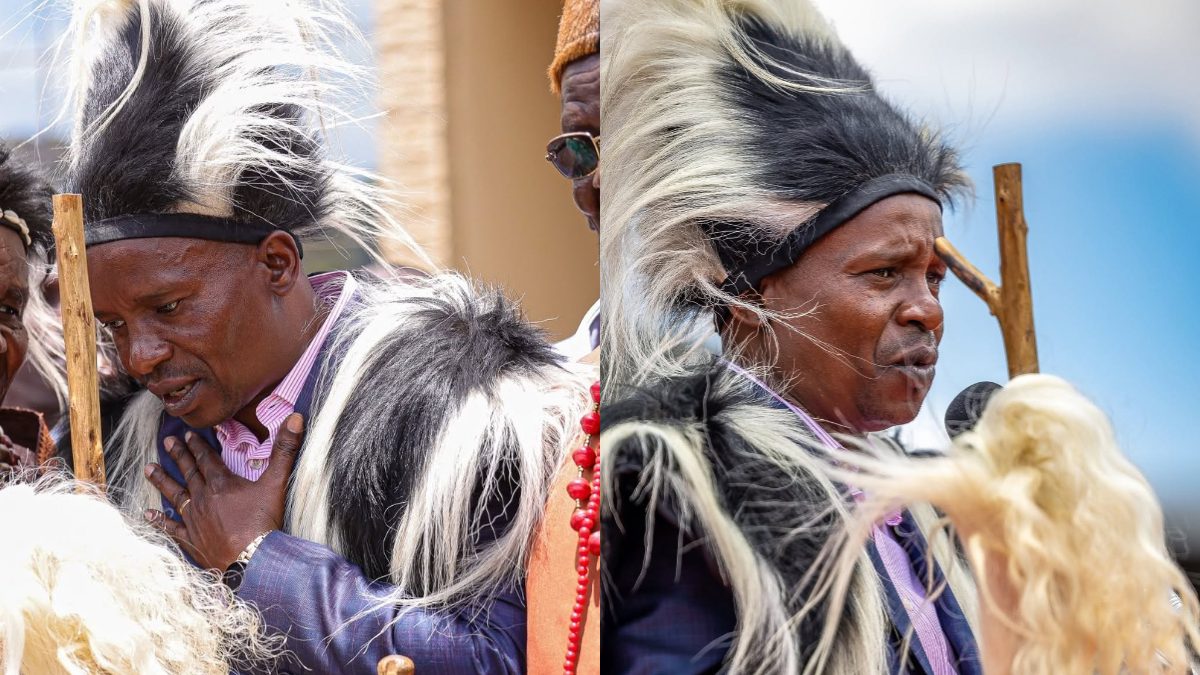
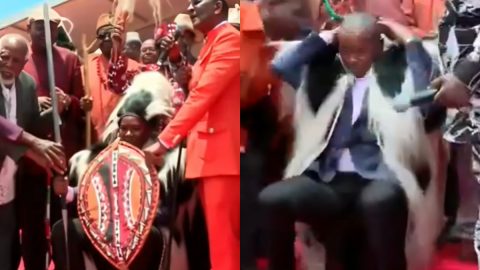
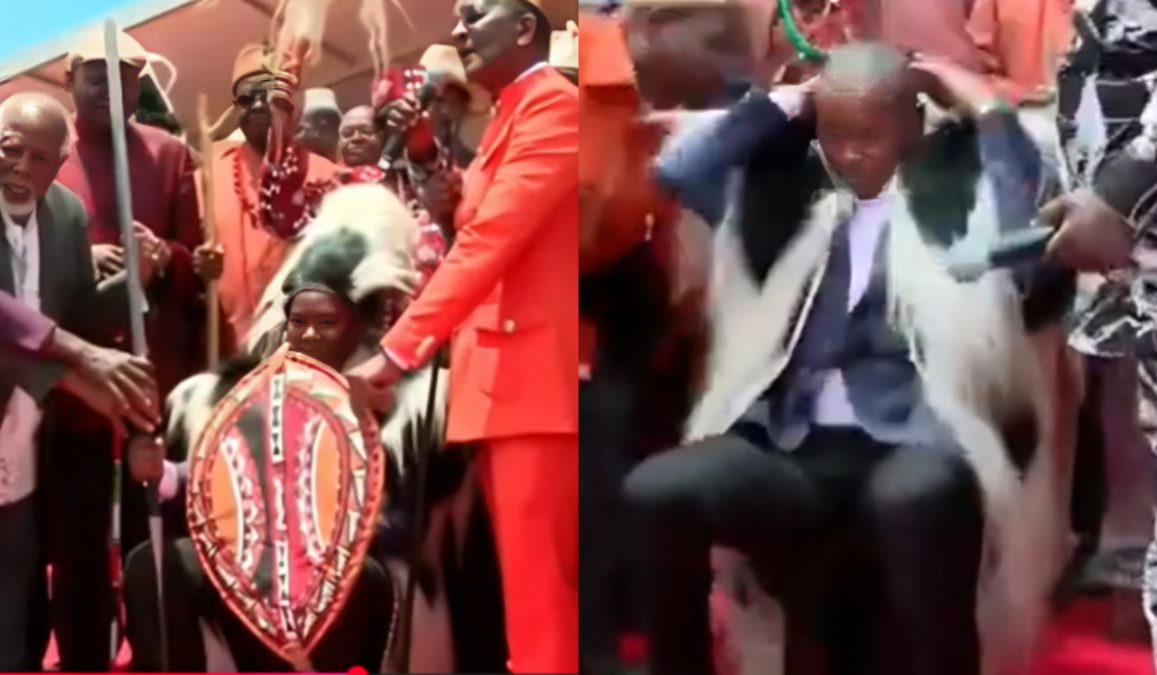
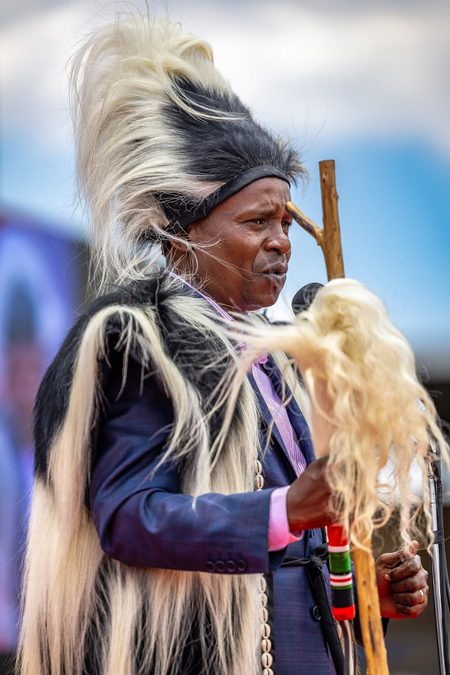
Deputy President Kithure Kindiki’s coronation as the Mt Kenya political spokesperson was briefly interrupted by an awkward moment after his traditional hat slipped from his head and fell to the ground during the ceremony at Kirigiti Stadium in Kiambu County.
The incident happened on Saturday, September 19, 2026, as Kindiki sat down during the gathering of Mt Kenya elders, with people seated around him quickly moving to pick up the headgear and place it back on his head.
While the moment itself appeared brief, the incident has drawn attention to an item that often carries far greater significance during traditional ceremonies than its everyday use as a piece of clothing.
Across different African societies, traditional headgear has historically been used to communicate status, authority, identity, achievement and, in some settings, spiritual significance. The National Museums of Kenya notes that African headdresses have often been worn by leaders, administrators and spiritual figures, with particular forms reserved for chiefs and elders.
Here are seven things traditional headgear can symbolise during ceremonies.
1. Leadership and authority
One of the clearest meanings attached to ceremonial headgear is leadership.
In several African societies, distinctive hats and headdresses were reserved for chiefs, elders and other people who held positions of authority. The National Museums of Kenya describes traditional headdresses as markers of high social position, with some designs specifically associated with chiefs and elders.
The symbolism can be particularly powerful during an installation ceremony because the item placed on a leader’s head becomes a visible representation of the office or status being bestowed upon the wearer.
The Smithsonian’s National Museum of African Art, for example, documents the use of the montolo, a ceremonial hat among the Nkundu people of the Democratic Republic of Congo, during the inauguration of a new chief. The hat was presented and placed on the new chief’s head as an emblem of chiefly office and authority.
2. Rank and social status
Traditional headgear can also communicate where someone stands within a community’s social hierarchy.
The design, material, size and decoration of a headdress can distinguish one person from another and, in some cultures, indicate the rank that the wearer has attained.
Among the Lega people of the eastern Congo region, for instance, hats were used as visible markers of advancement within the Bwami hierarchy. More elaborate headgear was associated with higher levels of initiation and status.
This means a ceremonial hat can function almost like a badge, communicating information about the wearer before they even speak.
3. Wisdom and seniority
Headgear can also be associated with age, experience and wisdom.
The National Museums of Kenya notes that some traditional African headdresses reflected the exceptional authority and wisdom of the wearer and were therefore reserved for chiefs and elders.
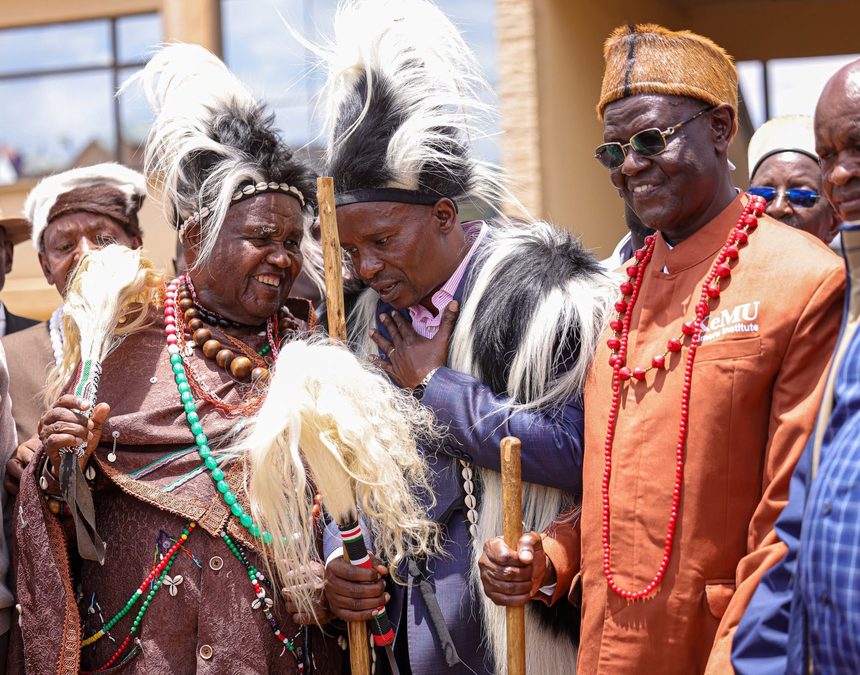
This is particularly relevant during gatherings where elders play a central role because the regalia helps visually establish the hierarchy and roles of those taking part in the ceremony.
In such settings, what someone wears on their head can communicate that they have reached a particular stage of social or traditional recognition.
4. Identity and belonging
A traditional headdress can also tell people where a wearer comes from and the community or cultural system with which they identify.
African headgear varies enormously from one community to another, with different materials, colours, shapes and decorative patterns carrying different meanings.
The National Museums of Kenya’s collection includes examples of headdresses associated with Maasai warriors, Pokot warriors, Mbeere elders, Turkana chiefs and Borana leaders, illustrating how headwear can help distinguish cultural identity and social roles.
During a major cultural gathering, therefore, traditional regalia can become a highly visible expression of heritage and belonging.
5. Spiritual or ceremonial significance
In some societies, traditional headgear goes beyond political or social status and carries spiritual meaning.
Some headdresses have been connected to initiation, religious authority, sacred rituals or beliefs about the relationship between leaders and the spiritual world.
The National Museums of Kenya, for example, documents ceremonial ornaments and headdresses whose meanings are linked to rites of passage and leadership.
The Metropolitan Museum of Art also notes that some Kongo prestige caps were connected to ideas of divine kingship and the relationship between a ruler and his territory.
This explains why ceremonial headgear can sometimes be treated with a level of respect that would seem unusual if it were viewed merely as clothing.
6. Prestige and wealth
The materials and craftsmanship used to make traditional headgear can also communicate prestige.
Among the Ekonda, for example, the Smithsonian records that the metal discs incorporated into a chief’s hat represented wealth and prestige while enhancing the visual prominence of the wearer.
The elaborate nature of some headgear therefore serves two purposes: it makes the wearer visually distinctive while communicating the importance attached to their position.
7. Continuity between generations
Ceremonial headgear can finally represent continuity, linking a present leader or initiate with those who came before them.
In some traditional systems, important pieces of regalia are preserved and passed from one generation or office-holder to another.
The Smithsonian records that among the Nkundu, a newly installed chief could receive the hat previously worn by a deceased predecessor, while among the Ekonda, hats belonging to deceased rulers were preserved and passed to their successors.
That practice gives the object a meaning beyond its physical appearance. The headgear can become part of the history of an office, carrying memories of previous leaders into a new generation.
Author
Steve Ireri
Steve is a senior writer with over four years of experience in digital journalism. His focus is on the showbiz and human interest stories. Emails: [email protected] , [email protected]
View all posts by Steve Ireri