Advertisement
Tips on how to care for natural hair during cold weather
31st July, 2026 03:42 PM
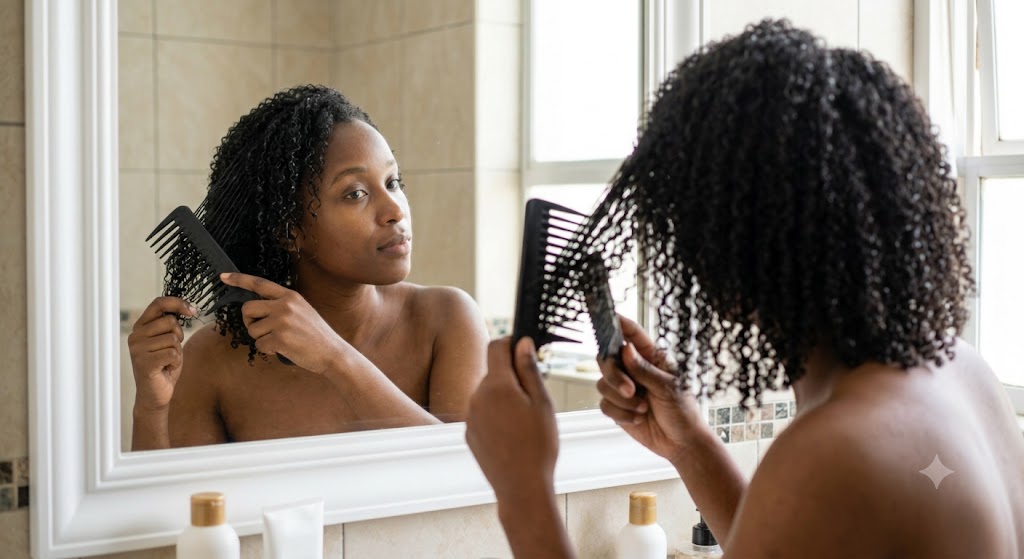
Cold weather can be tough on natural hair. Lower temperatures, dry air, indoor heating, and cold winds often strip moisture from the hair, leaving it dry, brittle, and more prone to breakage.
If you have natural hair, adjusting your routine during colder months is one of the best ways to keep your curls, coils, or kinks healthy and manageable.
Why cold weather affects natural hair
Natural hair tends to be drier than straight hair because the natural oils produced by the scalp have a harder time travelling down curly or coily strands. During cold weather:
- Humidity levels drop.
- Hair loses moisture faster.
- Wind causes tangles and friction.
- Hot showers can dry out both the scalp and hair.
- Protective styles may become too tight if the scalp becomes dry.
The result can be dryness, split ends, breakage, itching, and dull-looking hair.
Lock in moisture with the right technique
The primary objective during cold weather is the retention of moisture. Hair loses hydration rapidly when exposed to chilly winds and low atmospheric moisture. While washing hair with hot water feels comforting during cold mornings, high water temperatures strip away natural oils produced by the scalp.
Warm or lukewarm water is a better choice because it cleanses effectively without drying out the hair cuticle.
After washing, applying moisture in layers helps keep hair soft for several days. A practical routine involves applying a water-based leave-in conditioner, followed by a lightweight hair oil, and finishing with a thicker butter such as shea butter to seal in the moisture.
This layering process creates a physical barrier against cold air. Incorporating a deep conditioning treatment once every week also restores elasticity and maintains strand strength throughout the season.
Choose protective styles and smart accessories
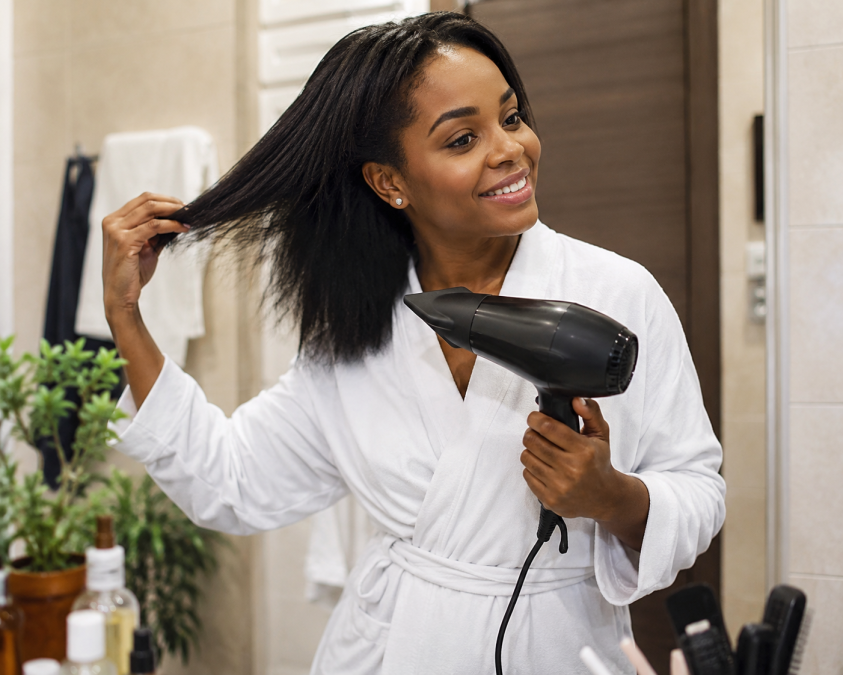
Leaving ends exposed to cold air accelerates split ends and structural breakage. Protective styling remains one of the most effective ways to safeguard natural hair during cold months. Options such as lines, flat twists, box braids, and faux locs keep fragile ends tucked away safely from environmental friction and harsh winds.
Even with protective styles, the scalp still requires consistent care. Applying lightweight natural oils directly to the scalp prevents dryness and itching. Additionally, cold-weather clothing often includes woollen sweaters, scarves, and beanies.
Direct contact between wool and natural hair creates friction that leads to snagging, dryness, and breakage around the hairline. Wearing a satin or silk bonnet under wool hats, or choosing caps lined with silk, protects delicate edges. Making these adjustments ensures natural hair remains healthy, soft, and strong throughout the cold season.