Advertisement
Why Sunday meals remain a big deal in Kenyan families
20th September, 2026 01:18 PM
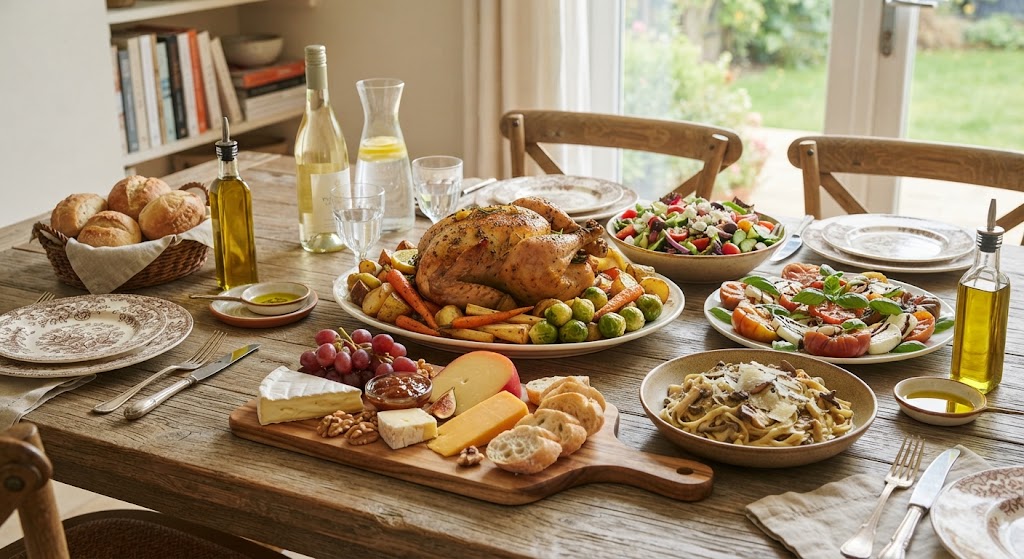
For many Kenyan families, Sunday is more than the final day of the weekend. It is a day when the pace slows down, the kitchen becomes busier, and food takes its place at the centre of family time.
After a week of school, work, errands and meals eaten in a hurry, Sunday provides an opportunity to sit down and enjoy a proper meal together. The menu may differ from one household to another, but the idea remains familiar: good food, enough time and family around the same table.
A meal that brings everyone together
Sunday lunch often feels different from meals served during the week. There is usually more time to prepare food, and families may make larger portions so that everyone can eat comfortably.
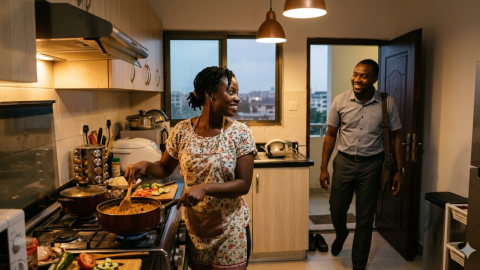
In some homes, the preparation starts in the morning. Onions are chopped, meat is seasoned, vegetables are washed, and dough is prepared for chapati. The smell from the kitchen can tell everyone that lunch is going to be different from the usual weekday meal.
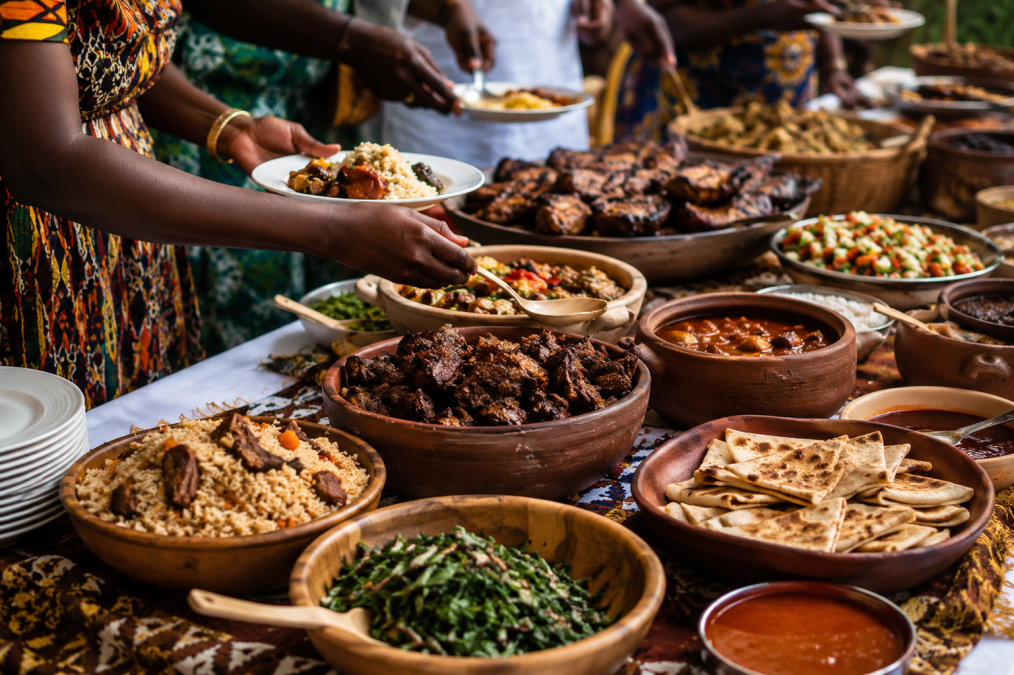
Dishes such as pilau, chapati, nyama choma, beef stew and mukimo have become closely associated with weekend meals and family gatherings. The food does not have to be expensive or complicated. What makes the meal special is often the time spent preparing and sharing it.
Familiar foods carry memories
Different families have their own Sunday favourites. For some, it could be chicken and rice, while others may prefer beef stew, ugali and vegetables. Chapati, pilau, mukimo and nyama choma also frequently appear when families want to prepare something that feels a little more special.
These foods can also carry memories from childhood. A particular stew may remind someone of meals prepared at home, while the smell of chapati cooking on a Sunday morning may bring back memories of growing up with siblings and relatives.
Traditional foods also play a role in keeping family food practices alive. UNESCO notes that food traditions can carry knowledge about culture, beliefs, and ways of life, with traditional food practices often passed from one generation to another.
More than just eating
The importance of a Sunday meal is not only about what is served on the plate. Sitting together gives family members a chance to talk, catch up, and spend time without the pressure of weekday schedules.
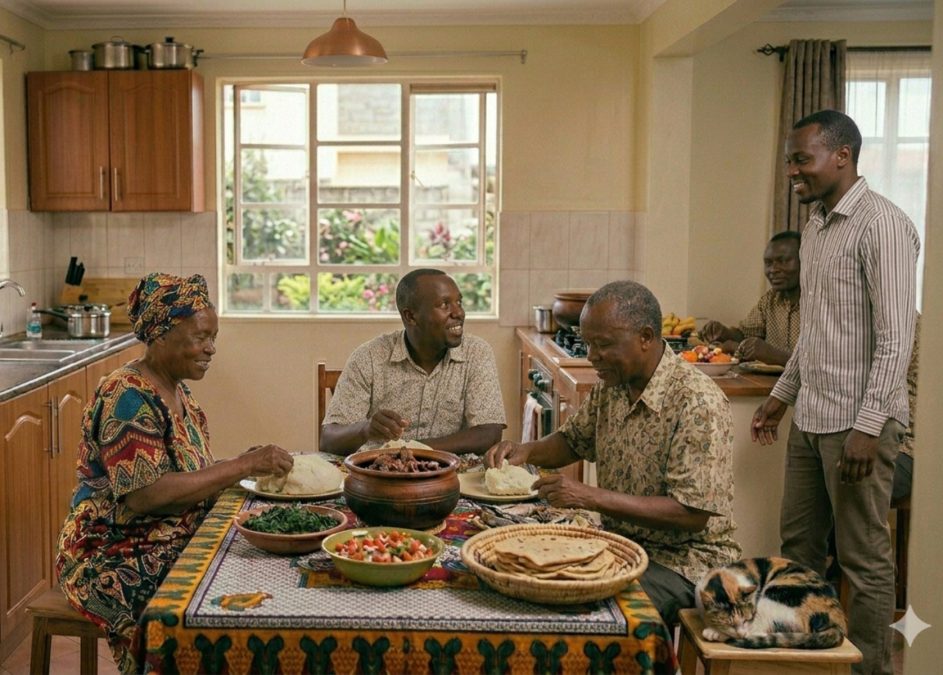
For some families, Sunday lunch is also when relatives visit. A meal that was planned for a small household can suddenly become larger when grandparents, cousins or other relatives arrive. The food is stretched, more plates are brought out, and everyone finds a place to sit.
A tradition that continues to change
Modern lifestyles have changed how Kenyan families eat. Some households order food, eat out, or have family members working on Sundays. Others may live far apart and only manage to meet occasionally.
Even with these changes, the idea of making time for a shared meal remains important. It may happen at home, in a restaurant or during a visit to relatives.
Sunday meals therefore continue to hold a special place in many Kenyan families. They offer more than a chance to eat. They create time to reconnect, share familiar food and maintain small traditions that can easily be lost during a busy week.