Advertisement
Why Kenyans see conflict in LSK’s Faith Odhiambo’s decision to join Ruto’s protest victims’ compensation panel
06th September, 2025 08:47 AM
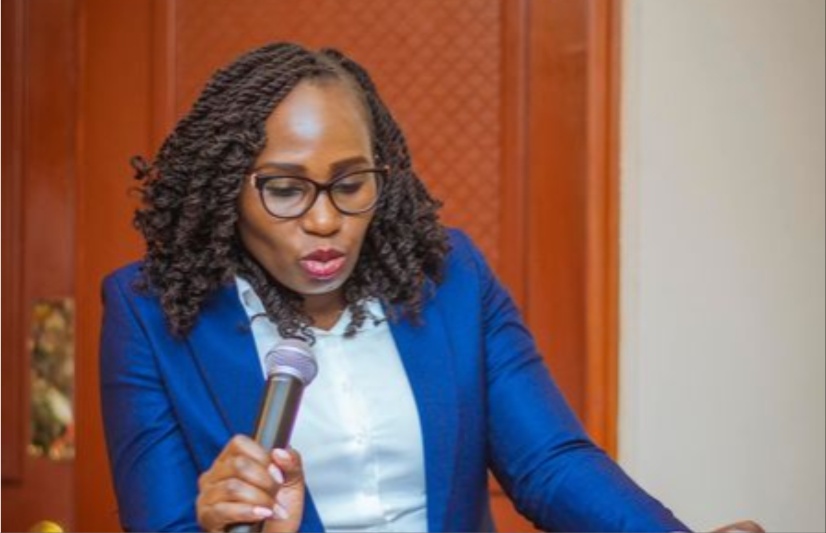
When Faith Odhiambo accepted a seat as vice-chair of President William Ruto’s panel on compensation for protest victims, she framed it as an opportunity to push for justice from within.
In her view, being part of the process gives her a stronger voice for victims than staying outside.
“As I take up this responsibility, let it be known that I have in no way betrayed your trust. Let it be clear that access to criminal justice remains critical to me in our quest to promote and protect the rule of law as an essential element in the enjoyment of the fundamental human rights and freedoms.” Odhiambo explained.
Adding;
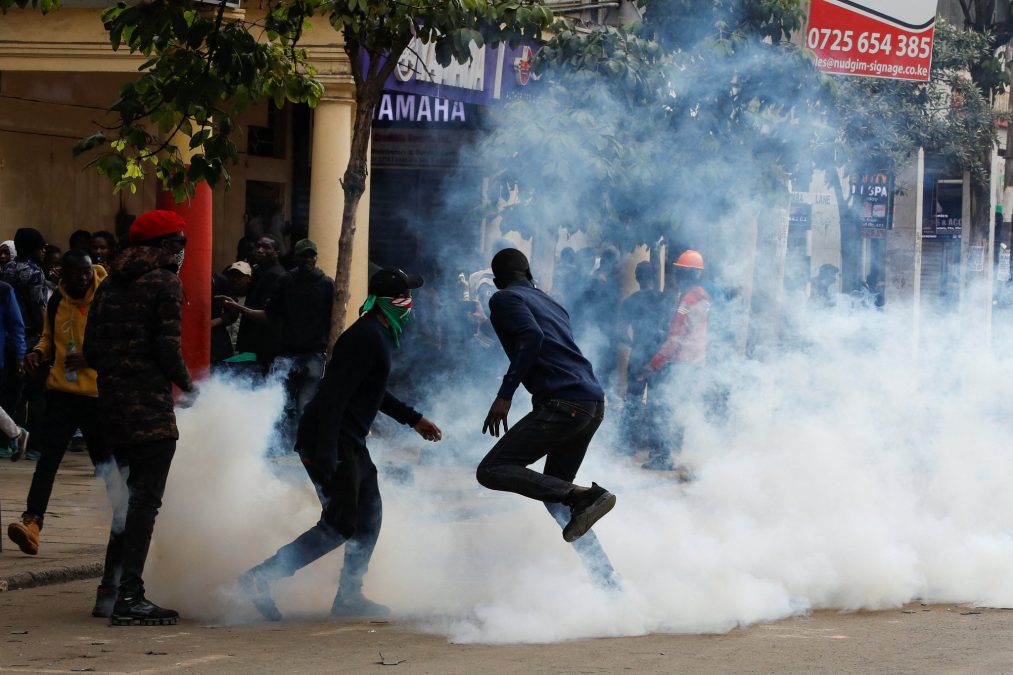
“The Panel of Experts that I joined today bears both the duty and opportunity to spearhead a revolutionary shift in victim reparations. Never again shall Kenyans be killed by trigger-hungry officers for exercising their constitutional rights on the streets.”
But that logic has placed her in the eye of a storm. Faith is not just a lawyer choosing where to serve. She is the President of the Law Society of Kenya, an institution trusted to check government power.
Also watch: Ruto appoints Faith Odhiambo as vice-chair of compensation panel
That trust is fragile, and the moment its leader sits on a panel created by the same authority that society is meant to hold accountable, the line of independence is blurred.
The Law Society is more than a lawyers’ club. It has a history of defending Kenyans’ rights when the state crosses the line.
From challenging police brutality to opposing unlawful detentions, it has acted as a shield for citizens who would otherwise face power alone. It is this watchdog role that gives it respect.
Without independence, the society is just another body with a name, not the defender it has always been.
That is why Faith’s decision has ruffled more than a few feathers. Criticism has not come only from social media debates but from lawyers, activists, and even sections of the public who usually look to the LSK for protection.
Calls for her resignation as president are growing louder.
A section of leaders and the public have argued that she cannot be expected to lead lawsuits against the state while at the same time sitting in a state-constituted position.
For them, it is not personal; it is about the principle of independence.
The pressure is mounting fast. If she ignores the backlash, she risks dragging the entire LSK into the political mud. Members could become divided, public trust could erode, and the society’s voice in future battles over rights might no longer carry weight.
Also watch: Lawyer Willis Otieno defends LSK boss Faith Odhiambo over role in Ruto’s task force
The LSK thrives on credibility. Without it, every press statement or court challenge risks being dismissed as partisan or compromised. That would be a heavy price, not just for society, but for Kenyans who depend on it to keep the government in check.
Calculated strategy
President Ruto’s decision to appoint her was not accidental. It was a calculated move to borrow legitimacy from the LSK. Having the society’s president on his panel helps him soften criticism and project inclusivity. For him, it is a political win. For the LSK, it is a potential credibility crisis.
Faith may truly want to help victims. That cannot be denied. But the wider concern is what this means for the future of one of Kenya’s last strong watchdogs. If the backlash is ignored and the society’s independence is seen as compromised, the damage will last beyond her term.
It will weaken the very shield that generations of Kenyans have relied on to fight unlawful power.

Bringing the LSK president into the panel is a way to change the story. Instead of headlines about heavy-handed policing and court fights, the conversation shall shift to compensation, reconciliation and committee work. That shift would portray the state appear responsive and humane.
This is a common political move. You invite a respected critic to the table, and the critic’s presence does two things. It softens external criticism, and it creates public doubt about the critic’s future independence. For the government, that is a tidy gain. For the LSK, it is a risky trade.
Investigations
Many Kenyans and rights groups want a full, independent process that goes beyond cash payments: they are calling for investigations, accountability, clear redress mechanisms, non-monetary remedies, and guarantees against repeat violations.
Human rights bodies such as KNCHR and civil society groups have publicly urged that compensation be paired with investigations and structural reforms rather than only one-off payments.