Advertisement
How schools can better support girls during their periods
14th July, 2026 10:48 PM
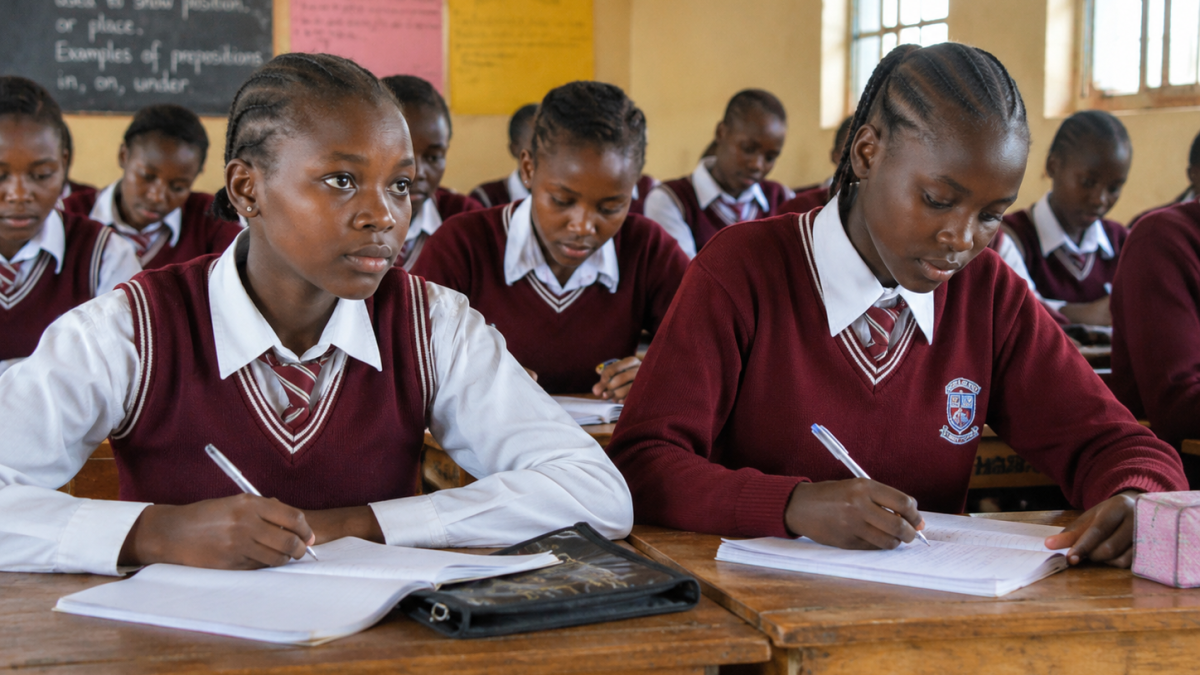
For many girls in Kenya, getting their period while at school can be stressful. A lack of sanitary products, inadequate toilets, limited access to clean water and the stigma surrounding menstruation can make it difficult to concentrate in class.
In some cases, girls miss lessons or stay home altogether, affecting their education and confidence.
Creating a supportive school environment can help ensure that menstruation does not become a barrier to learning.
Improve water, sanitation and hygiene facilities
Clean, private and functional toilets are essential for menstrual hygiene management. Girls need access to toilets with doors that lock, clean water for washing, soap and bins for the safe disposal of used sanitary products.
Schools should also ensure that toilets are cleaned regularly and that broken doors, taps or toilets are repaired promptly. A safe and hygienic environment allows girls to manage their periods with dignity.
Break the stigma
Menstruation is a normal part of life, yet many girls still face embarrassment or teasing when they are on their period. Schools can help change this by incorporating age-appropriate menstrual health education into life skills and health lessons.
Boys should also be included in these discussions. Teaching all learners about menstruation helps reduce myths, bullying and stigma while encouraging empathy and respect.
Train teachers
Teachers are often the first adults girls turn to when they need help. Female and male teachers alike should understand the basics of menstrual health and know how to respond with compassion and confidentiality.
Simple actions, such as allowing a girl to visit the washroom without unnecessary questioning or helping her access sanitary products, can make a significant difference.
Create a supportive school culture
Schools can establish peer support clubs where girls can discuss menstrual health openly and receive accurate information. Guidance and counselling departments can also provide a safe space for girls experiencing anxiety or severe period pain.
School leaders should make it clear that menstruation is not something to be ashamed of and that every learner deserves respect.
Support girls with severe menstrual pain
While mild cramps are common, some girls experience pain that makes it difficult to sit through lessons or participate in physical activities.
Schools should allow flexibility for learners with severe symptoms, including permitting short rest breaks or referring them to a health facility when necessary.
Parents should also be informed if a girl’s symptoms appear unusually severe or frequent, as they could indicate an underlying medical condition requiring professional care.
Keeping girls in class
When girls have access to sanitary products, clean facilities and supportive teachers, they are more likely to attend school consistently and participate confidently in learning.
Creating period-friendly schools is not simply about providing pads it is about protecting girls’ dignity, promoting gender equality and ensuring every learner has the opportunity to reach her full potential.
By making menstrual health a priority, Kenyan schools can help keep girls in the classroom, reduce absenteeism and create an environment where every learner feels safe, respected and supported.