Advertisement
What makes a World Cup Final so special?
19th July, 2026 10:21 PM

Every four years, the FIFA World Cup captures the attention of billions of people around the globe. But among the tournament’s 100-plus matches, one stands above the rest: the World Cup final.
It is more than just a football match; it is the culmination of years of preparation, weeks of intense competition, and a moment where history is made.
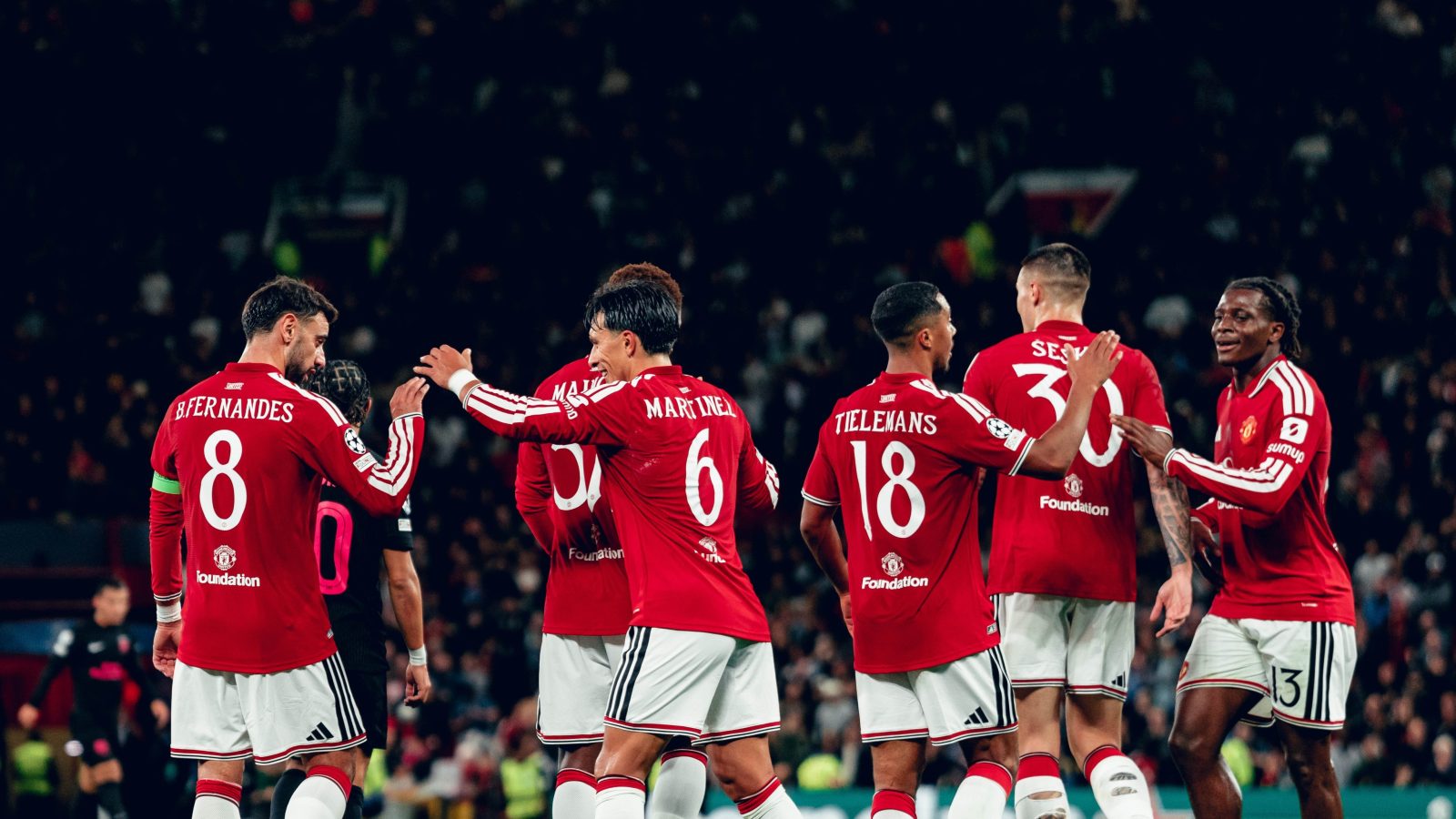
As the final whistle approaches in this year’s tournament, millions of fans will gather in homes, stadiums, restaurants and public viewing centres to witness one of the biggest sporting spectacles on Earth.
A Stage reserved for the best
Reaching the World Cup final is one of the greatest achievements in football. Only two national teams survive a month-long tournament that begins with dozens of countries competing for football’s most prestigious prize.
To reach the final, teams must overcome tough group-stage matches, navigate the pressure of the knockout rounds and defeat some of the world’s strongest football nations. Every mistake can be costly, making the journey to the final a true test of skill, discipline and resilience.
A Chance to create history
Winning the World Cup guarantees a place in football history. Players who lift the famous FIFA World Cup Trophy become national heroes, often remembered for generations.
Many of football’s greatest legends earned their place in history through unforgettable World Cup final performances. The final offers players a rare opportunity to leave a lasting legacy that extends beyond club football.
For many athletes, it is the pinnacle of their careers. Some may never get another chance to compete on football’s biggest stage.
Billions watching together
Few sporting events attract as much global attention as the FIFA World Cup final. According to FIFA, the 2022 World Cup final between Argentina and France attracted an estimated global audience of about 1.5 billion viewers, making it one of the most-watched sporting events in history.
The final brings together fans from different cultures, languages and backgrounds, united by a shared love of football.
Whether watching in Nairobi, Buenos Aires, Madrid or Tokyo, supporters experience the same emotions, which are hope, excitement, joy and heartbreak.
High stakes, high pressure
Unlike league competitions where teams have another match the following week, there are no second chances in a World Cup final.
One goal, one save or one defensive error can decide who becomes world champion. The pressure is immense, not only for the players but also for coaches, referees and even entire nations.
Penalty shootouts, dramatic comebacks and extra-time winners have all become part of World Cup final folklore, reminding fans why football is often called “the beautiful game”.
National pride on display
The World Cup is unique because players represent their countries rather than their clubs.
Victories are celebrated far beyond the stadium, with millions taking to the streets waving national flags, singing anthems and celebrating together. The tournament fosters a powerful sense of national identity and pride that few other sporting events can match.
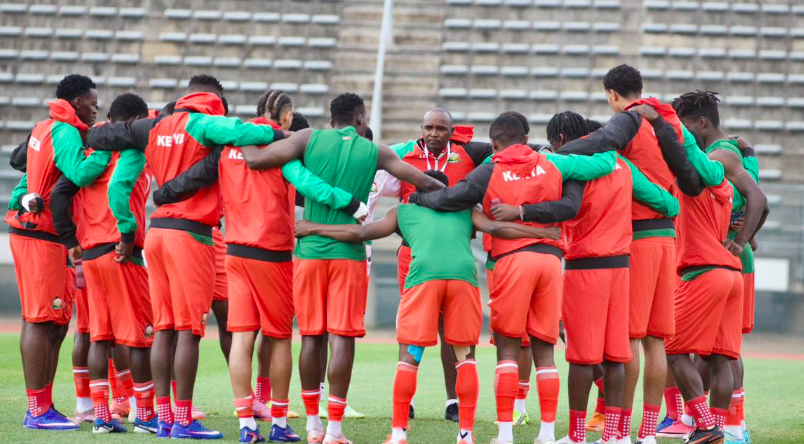
For smaller football nations, reaching the final can inspire an entire generation of young players to dream bigger.