Advertisement
Election season is here, but do Millennials and Gen Zs still care?
20th July, 2025 07:59 AM

As Kenya gears up for another election season, the streets are once again alive with campaign jingles, political rallies, and calls for voter registration.
But beneath this familiar political theatre lies a troubling undercurrent: a significant portion of Kenya’s youth—the very group that makes up 75 per cent of the population—seems disengaged from the electoral process.
Despite flashy campaigns and targeted messaging, many young Kenyans are choosing to sit out the vote. Their withdrawal is not just apathy—it’s a conscious decision rooted in frustration, broken promises, and growing distrust in the democratic system.
To rebuild this trust, Kenya must confront the systemic failures pushing its youth away from the ballot and create a political environment that genuinely reflects their aspirations.
Why the step back?
The statistics tell a worrying story. In the run-up to the 2022 general election, the Independent Electoral and Boundaries Commission (IEBC) set out to register six million new voters. Nearly five million young Kenyans had reached voting age since 2017, yet only 2.5 million new voters signed up. Just 40 per cent of registered voters were aged 18 to 35—a sharp decline from previous election cycles.
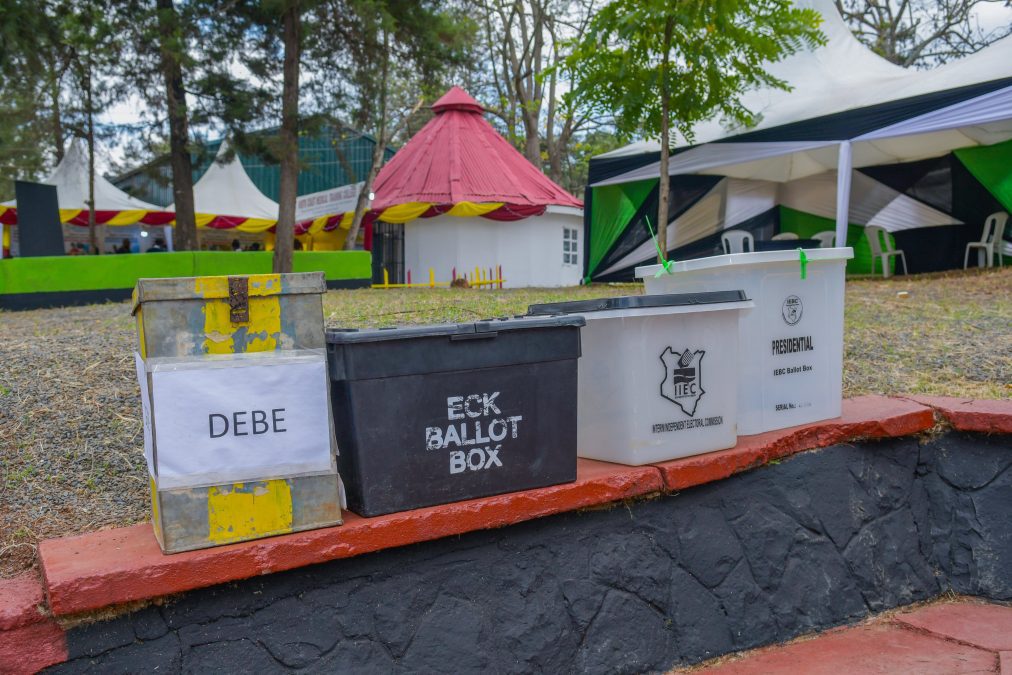
Voter turnout in 2022 also dropped to 64.6 per cent, down from 78 per cent in 2017 and 86 per cent in 2013. For a demographic that dominates the population, young people are increasingly under-represented at the polls.
Why are they walking away? The reasons are layered and complex. Economically, many young Kenyans feel abandoned. According to 2020 census data, about five million youths are unemployed. Global crises, including COVID-19 and the war in Ukraine, have worsened inflation and eroded purchasing power. For many, promises of job creation ring hollow.
The government’s promise to create jobs annually remains an unfulfilled promise, feeding a sense of betrayal.
Then there’s the political landscape itself. Young Kenyans often see the same veteran politicians dominating the scene, year after year.
Kenya’s elections often feel like an illusion of choice, especially for young people. The high cost of political campaigns shuts out youthful candidates who lack financial resources or political connections, leaving the political space dominated by the wealthy and well-connected.
Vote-buying remains rampant, with politicians distributing cash, umbrellas, and packets of maize flour to lure crowds to rallies. For many young Kenyans, these handouts are viewed as short-term survival tactics rather than expressions of political loyalty.
A long history of electoral malpractice has further eroded public trust in the process. The 2017 presidential election, which was annulled due to irregularities, deepened the sense of disillusionment, raising questions about whether votes truly count.
Today, public confidence in the electoral commission remains dangerously low, and a growing number of young voters believe that election outcomes are predetermined, leaving them feeling that casting a vote is futile.
This scepticism is amplified by social media, where disinformation spreads fast. A 2022 report by researcher Odanga Madung highlighted how platforms like TikTok, popular among Kenyan youth, often fuel political distrust through unchecked misinformation.
Protest or apathy?
But labelling young people as politically apathetic oversimplifies the issue. For some, abstaining from voting is an act of protest, not indifference.
Some young Kenyans see voter boycotts as a form of political resistance, using the withdrawal of their votes to demand accountability from leaders who fail to deliver.
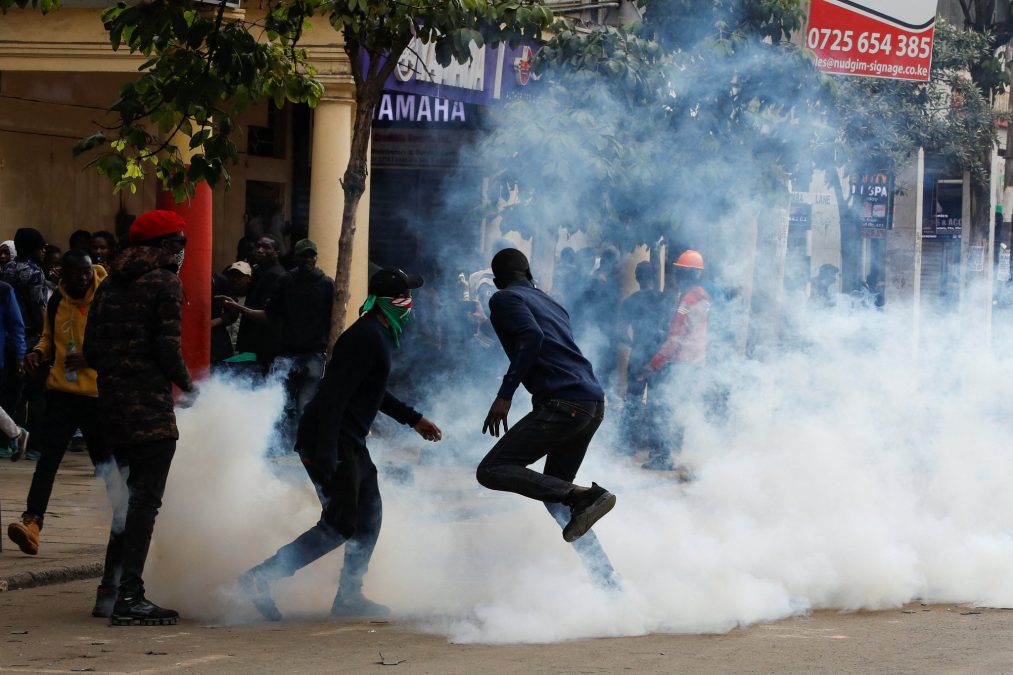
Others are shifting their focus away from elections altogether, turning to grassroots activism and community organising as alternative avenues for change. Initiatives addressing police brutality, land injustices, and food insecurity are gaining ground, with many believing that real politics happens in neighbourhoods and social movements rather than in parliament.
Despite making up the majority of the population, youth remain vastly under-represented in formal political spaces. In the 2022 elections, only a handful of parliamentary seats were held by candidates under 30.
For a generation struggling with unemployment, debt, and the high cost of living, the political system feels inaccessible and unresponsive. Many young people view politics as a game for the wealthy and well-connected, leaving them feeling disconnected from leaders who do not reflect their realities.
Bring them back
Rebuilding trust between the youth and Kenya’s political system will require more than flashy campaign slogans or social media hashtags. It demands real change.
First, voter education must go deeper than registration drives. The IEBC needs to focus on long-term civic education that teaches young people how the electoral process works, why their votes matter, and how they can hold leaders accountable. Integrating civic lessons into school curricula could help build a generation of informed, engaged citizens.
Second, the government must address the economic frustrations pushing youth away from politics. Promises won’t cut it anymore—young Kenyans need to see real policies that tackle unemployment, offer business support, and reduce the cost of living.
Third, political parties must create space for young leaders. The 2021 refusal by lawmakers to cap campaign spending has kept fresh voices out of politics. Lowering campaign costs, subsidising youth candidates, or reserving seats for younger representatives could help diversify leadership.
Finally, electoral integrity is non-negotiable. Strengthening the IEBC’s independence, ensuring transparent vote tallying, and cracking down on vote-buying are essential to restoring confidence in the process. Law enforcement must also remain neutral, safeguarding all voters and candidates, regardless of political affiliation.
Governance expert Javas Bigambo warns that failing to connect with the youth risks pushing them toward political extremism or disengagement. “Older leaders still assume they’re speaking to a generation worried about multi-party democracy,” he says. “But today’s youth are worried about jobs and justice.”
Kenya’s election season may be in full swing, but the silence of its young voters speaks louder than any campaign jingle. Their disengagement is not a rejection of politics—it’s a demand for better. The question is whether the political class will finally listen.