Advertisement
iPhone 18 Pro Max price comparison: Is it cheaper to import or buy locally?
06th August, 2026 04:11 PM
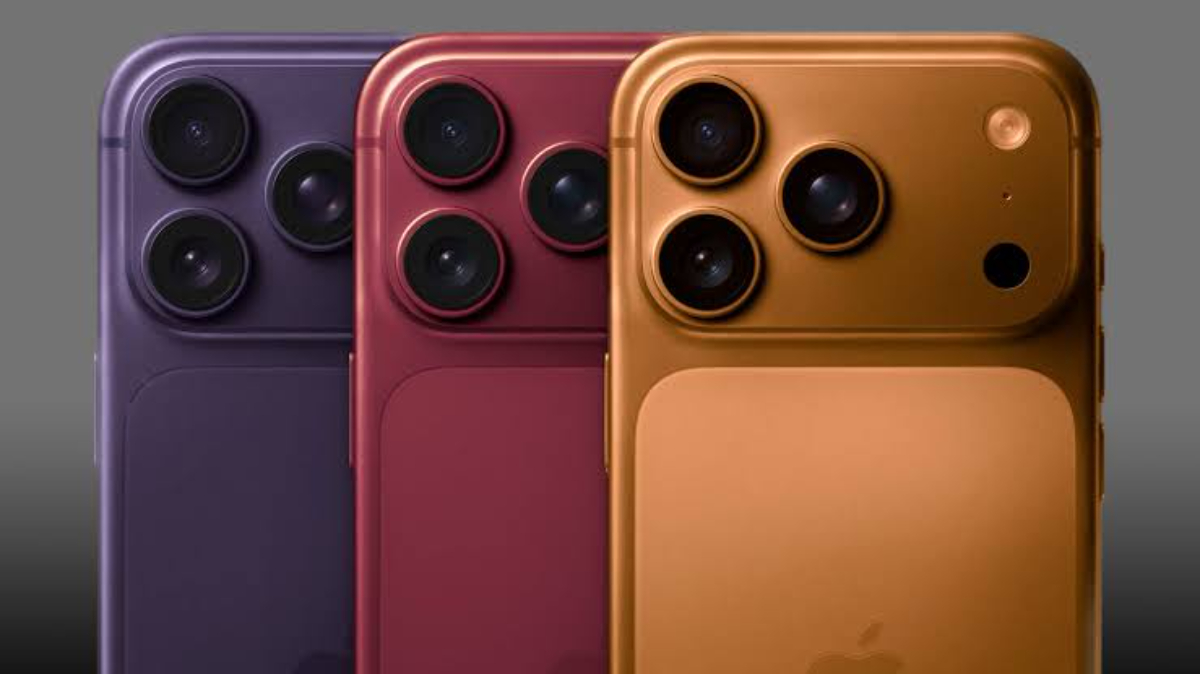
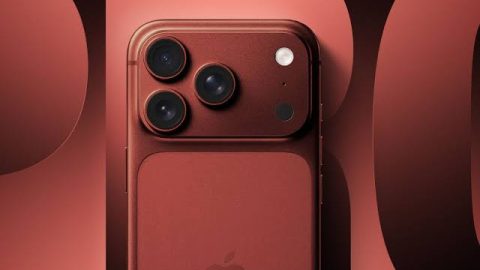
The arrival of the iPhone 18 Pro Max has once again reignited the debate among Kenyan Apple enthusiasts over whether importing the premium smartphone is worth the effort or whether buying it from a local retailer offers better value.
While many shoppers are attracted by Apple’s lower United States pricing, the amount eventually paid can rise significantly after shipping charges, taxes, customs duties and currency conversion costs are taken into account.
Apple has priced the iPhone 18 Pro Max from US$1,299, which is approximately Ksh168,000, for the 256GB model.
The 512GB version starts at US$1,499, or about Ksh194,000, while the 1TB model costs US$1,699, which translates to roughly Ksh220,000. Buyers opting for the top-end 2TB model will part with US$1,999, or approximately Ksh259,000, before taxes.
Those prices often appear much lower than what the same devices retail for in Kenya.
However, Apple’s listed prices in the United States do not include state sales tax. Depending on where the phone is purchased, buyers can pay up to about 10 per cent more before even leaving the country.
Importing the device also attracts several additional costs that many first-time buyers overlook.
International shipping charges, insurance, currency conversion fees, customs duties, Import Declaration Fee, Railway Development Levy, VAT and clearance charges all contribute to the final amount paid before the phone reaches Kenya.
For instance, someone buying the 256GB model at US$1,299 (approximately Ksh168,000) could easily spend tens of thousands of shillings more after taxes and logistics costs are added. A weakening Kenya shilling against the US dollar can push the total even higher.
Buying the phone locally usually means paying a higher sticker price, but that price often comes with several advantages.
Local retailers typically offer immediate availability, recognised warranty support, consumer protection, easier returns and exchanges, and eliminate the stress of dealing with customs procedures or delayed international deliveries.
Warranty
Warranty is another important factor that many buyers consider before making their decision.
Although Apple provides international warranty support for many of its products, service policies can differ depending on the region.
Buyers who purchase through authorised Kenyan retailers generally find it easier to process warranty claims than those who import devices privately.
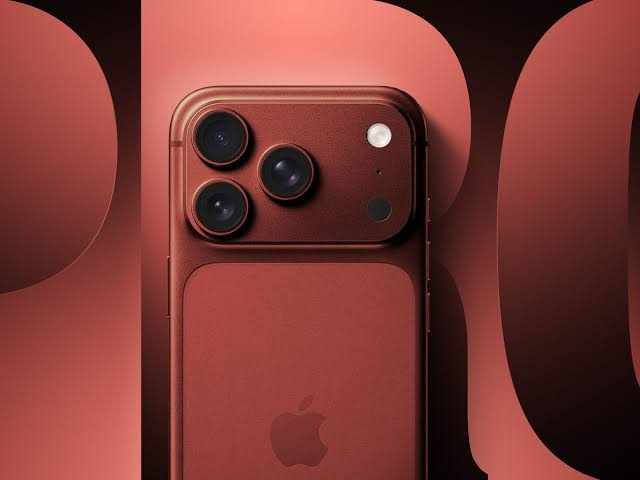
Importing independently can still save money in certain circumstances, particularly for Kenyans travelling abroad or those with trusted relatives or friends willing to bring the phone home.
Buyers who manage to secure promotional discounts overseas may also reduce the overall cost. Even then, they still have to contend with exchange rates, customs procedures and possible shipping delays.
Importing risks
There are also risks associated with importing smartphones privately. Delayed deliveries, counterfeit sellers, hidden courier fees, customs disputes, damaged shipments and limited after-sales support have all been reported by buyers who source expensive devices through unofficial channels.
Purchasing from unverified online marketplaces further increases the risk of receiving refurbished, counterfeit or region-locked devices.
For many buyers, purchasing the phone locally offers greater peace of mind despite the higher asking price.
The convenience of walking into a shop, leaving with the device immediately and having local support available if anything goes wrong can outweigh the savings that importing may promise.
Ultimately, the cheaper option depends entirely on how the phone is purchased. Buyers who travel abroad, secure genuine discounts or have someone bring the device to Kenya may spend less than those buying locally.
However, once shipping costs, taxes, customs charges and exchange rates are factored in, the overall difference can become much smaller than many consumers expect.
For most Kenyans, deciding where to buy the iPhone 18 Pro Max comes down to balancing cost against convenience. A lower purchase price abroad may appear attractive, but local retailers continue to offer a level of certainty and after-sales support that many buyers consider worth paying for.
Author
Steve Ireri
Steve is a senior writer with over four years of experience in digital journalism. His focus is on the showbiz and human interest stories. Emails: [email protected] , [email protected]
View all posts by Steve Ireri