Advertisement
Why you should dress in light layers while travelling
30th July, 2026 09:55 AM
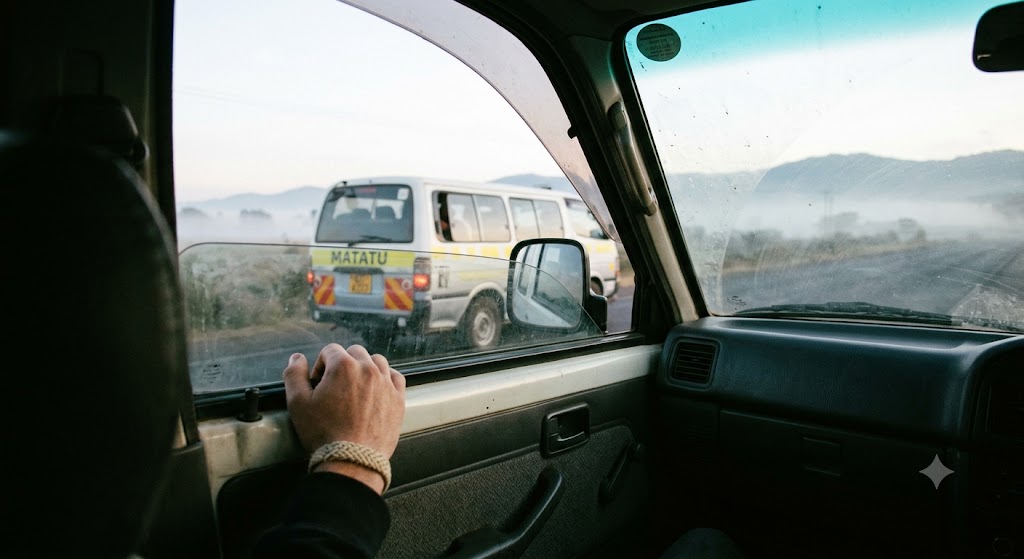
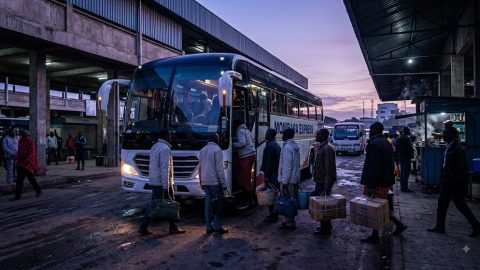
Early morning departures across Kenya almost always start with a sharp, cold breeze. Setting off from Nairobi at dawn or boarding an early morning matatu in Nakuru usually means wearing a heavy sweater to beat the morning chill.
However, as the vehicle moves towards Naivasha, Kisumu, or Mombasa, the afternoon heat quickly sets in, making thick clothing feel hot and stuffy. Unpacking a crowded bag on the roadside just to change outfits is inconvenient and time-consuming.
This is why smart travellers choose light, flexible clothing layers instead of relying on a single bulky coat.
How trapped air helps control body heat
Dressing in layers works by using trapped air to regulate body temperature. Wearing a simple cotton shirt beneath a lightweight jacket creates a thin pocket of air between the two garments.
This air pocket traps natural body warmth during cold morning hours. As the afternoon sun warms up the journey, taking off the outer jacket lets excess heat escape immediately.
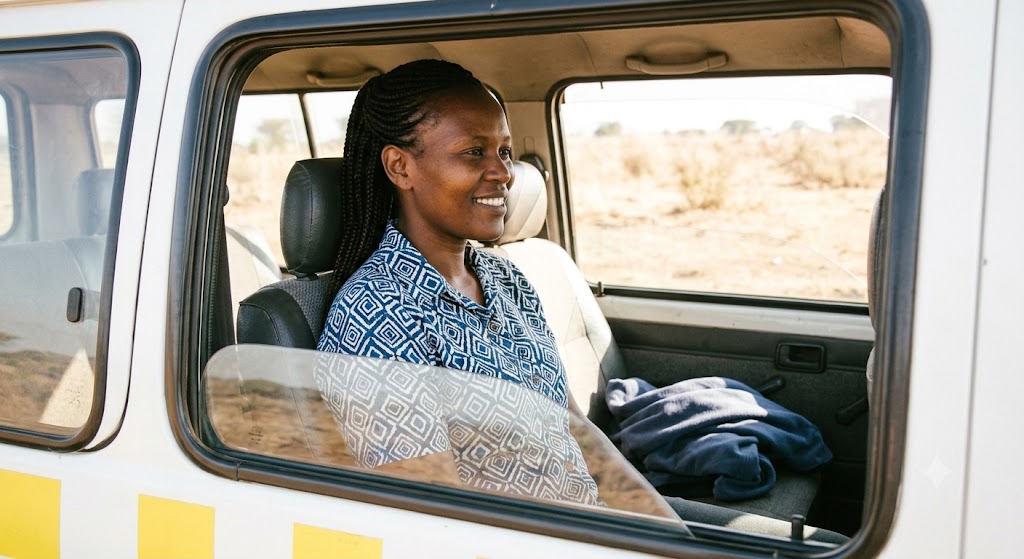
Scientific studies support this practical habit. Research published by Kwon and Choi in 2013 highlights that “clothing plays the ultimate role in effectively protecting the human body by controlling the heat transfer from the body to the thermal environment or vice versa.”
Removing or adding a garment gives travellers full control over their personal comfort throughout the trip without needing to stop.
Choosing breathable fabrics for stress-free travel
Selecting the right fabrics makes layering even more practical for holiday trips across the country. Natural cotton, linen, and light synthetic blends allow air to circulate freely while keeping moisture away from the skin.

Swapping one bulky Ksh3,000 coat for two flexible Ksh1,200 layers saves valuable space in travel bags and makes packing much easier. On a busy bus or car ride, unzipping or taking off a light cardigan takes seconds and avoids disturbing fellow travellers.
Preparing for shifting weather ensures a smooth, pleasant journey from early morning departures to late afternoon arrivals.