Advertisement
Festive season travel: How to check a vehicle for safety
14th December, 2025 08:17 PM
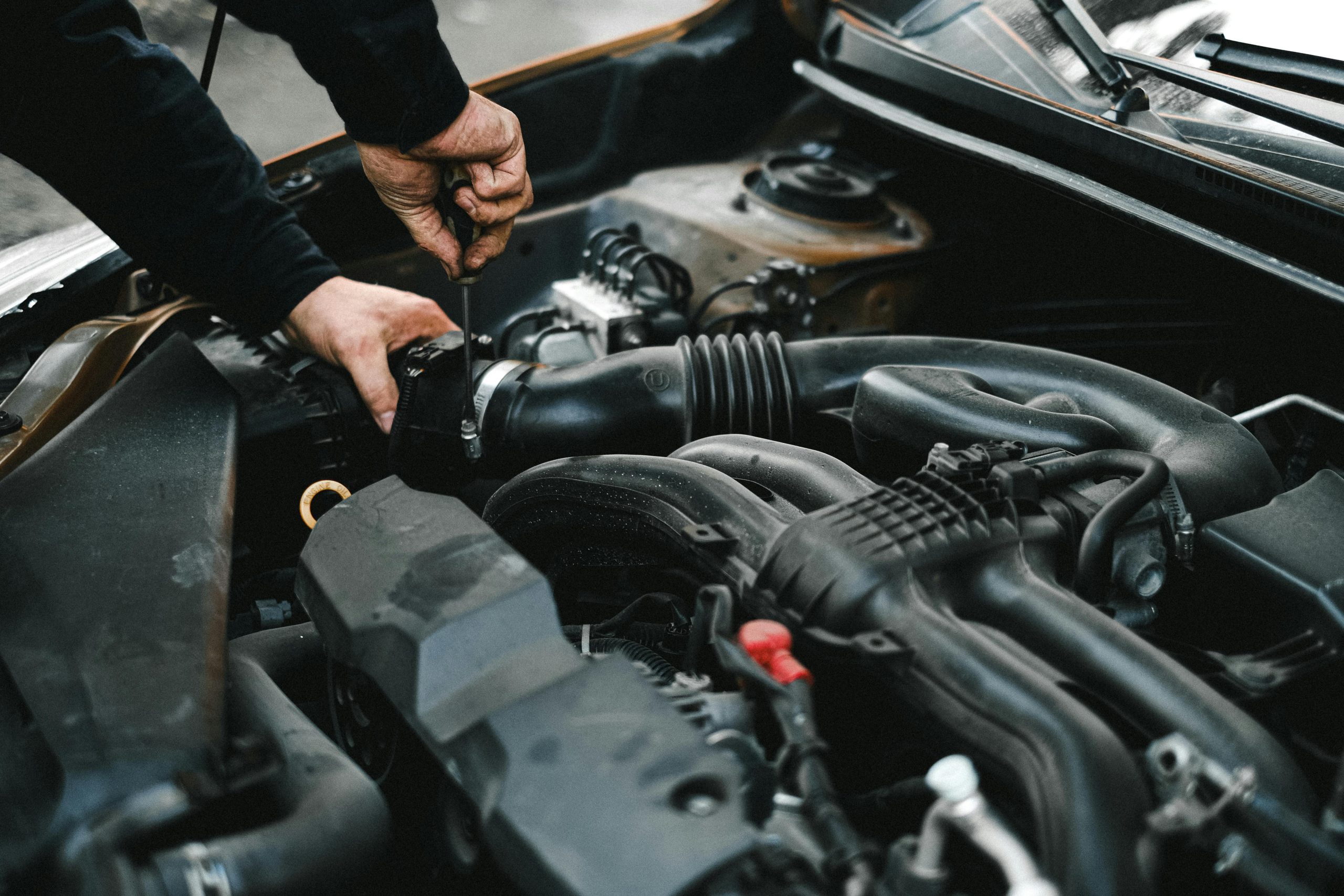
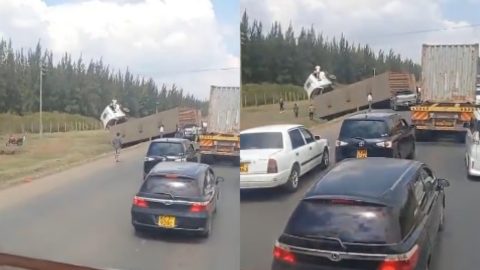
The festive season is a time for celebration, family gatherings, and long road trips, but it is also notorious for accidents.
Crowded highways, long journeys, overworked vehicles, and adverse weather conditions significantly increase the risk of crashes.
Whether you are driving your own car or using public transport, taking extra precautions can ensure a safer journey for you and your passengers.
Check your brakes
For private car owners, a thorough pre-trip check is essential to ensure your vehicle is safe for the long journey ahead. Start with the brakes, which are the most critical safety component.
Make sure the brake pads are not worn out, the brake fluid is at the correct level, and there are no leaks. Test your brakes before leaving, as any unusual noise or sponginess in the pedal could signal a problem that needs immediate attention.
Tyres and lights
Next, focus on tyres and lights. Tyres should have adequate tread depth and proper air pressure, which not only improves grip on wet or slippery roads but also reduces the risk of blowouts.
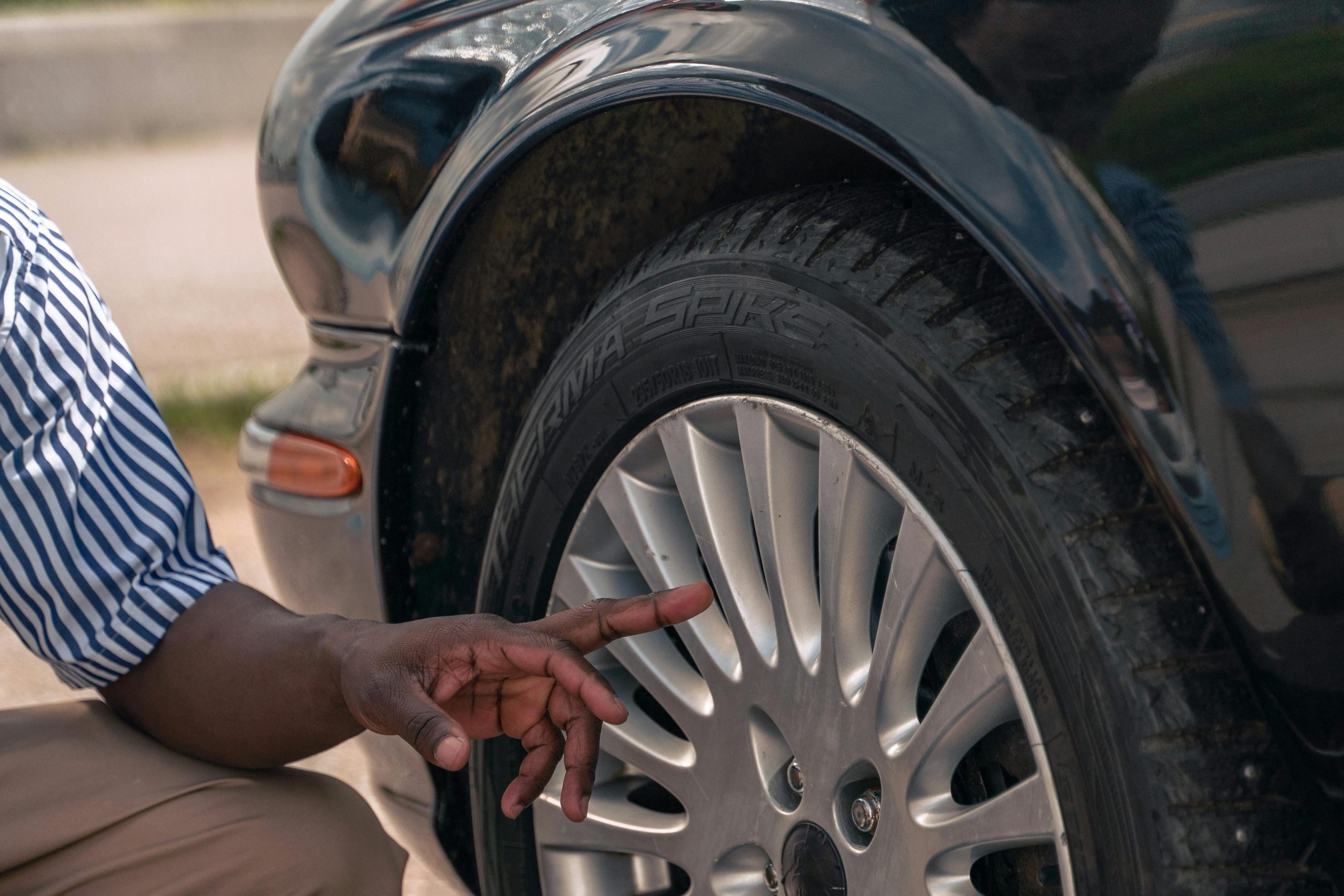
Check for visible damage, such as cuts or bulges, which could lead to sudden tyre failure. All lights, including headlights, brake lights, turn signals, and hazard lights, must be functioning correctly.
These are vital for visibility, especially if you’re driving at night or in foggy or rainy conditions.
Fluids and emergency gear
Finally, ensure all fluid levels are topped up, including engine oil, coolant, brake fluid, and windshield washer fluid. Proper fluid levels help your vehicle run smoothly and prevent overheating or engine failure.
Do not forget to inspect your wipers and horn, as these are crucial for safe driving in poor weather and alerting other road users.
Check that mirrors are properly adjusted and seatbelts are functioning for all passengers. Additionally, pack a basic emergency kit with items like a first-aid kit, reflective triangle, flashlight, water, and a jack with a spare tyre.
Being prepared for minor emergencies can make a huge difference if something unexpected occurs on the road.
Quick public transport checks
If you are taking a matatu, bus, or taxi, you can perform simple safety checks. Ensure the driver is wearing a seatbelt and driving responsibly. Look for functioning emergency exits.
Check that the tyres appear properly inflated and the vehicle does not emit unusual smoke or smells. While you may not be able to inspect fluids or brakes, observing general vehicle maintenance and driver behaviour can prevent many issues.
During the journey
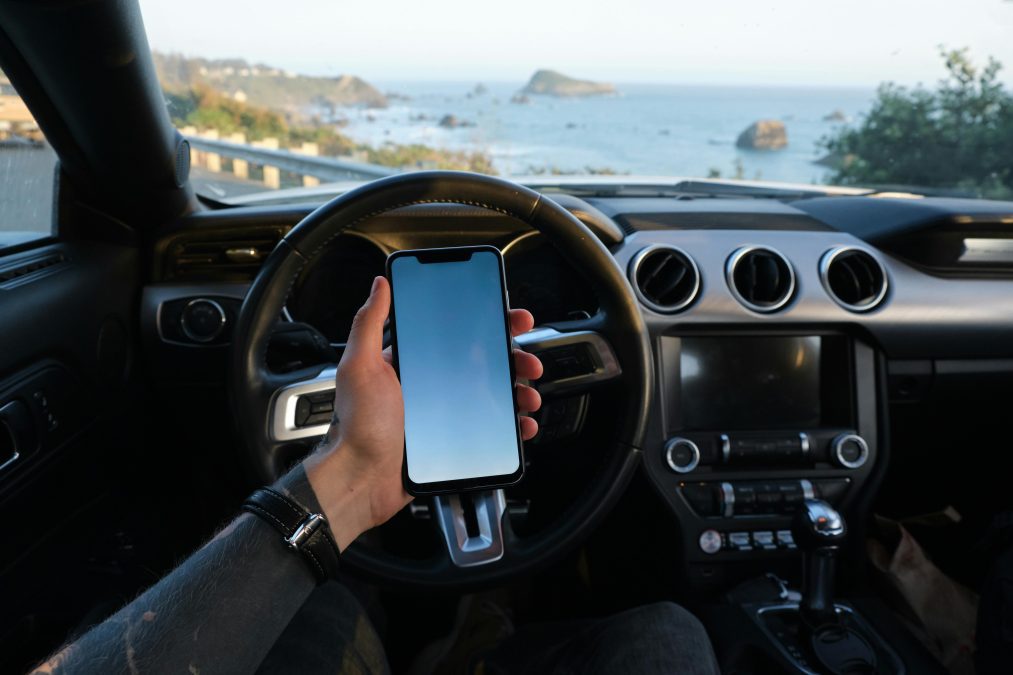
Once on the road, stay alert. Avoid distractions such as phone use, keep a safe following distance, and adjust your speed according to traffic and weather conditions.
If you notice any unusual noises, smells, or warning lights in your vehicle, pull over safely to inspect or seek help.
For public transport users, stay seated and use seatbelts if available. Avoid overcrowded vehicles, as they are harder to control and more dangerous in case of sudden stops.
Finally, plan your journey and allow extra travel time. Fatigue is a major contributor to festive season accidents. Take regular breaks every two to three hours, stay hydrated, and switch drivers if possible.
By taking these precautions, both drivers and passengers can reduce risks during the festive season, making the journey safer and more enjoyable.
Author
William Muthama
William Muthama is a digital journalist with a focus on entertainment, human interest, and current affairs. Share stories: [email protected]/ [email protected]
View all posts by William Muthama