Advertisement
How to manage exam anxiety
04th July, 2026 05:53 PM
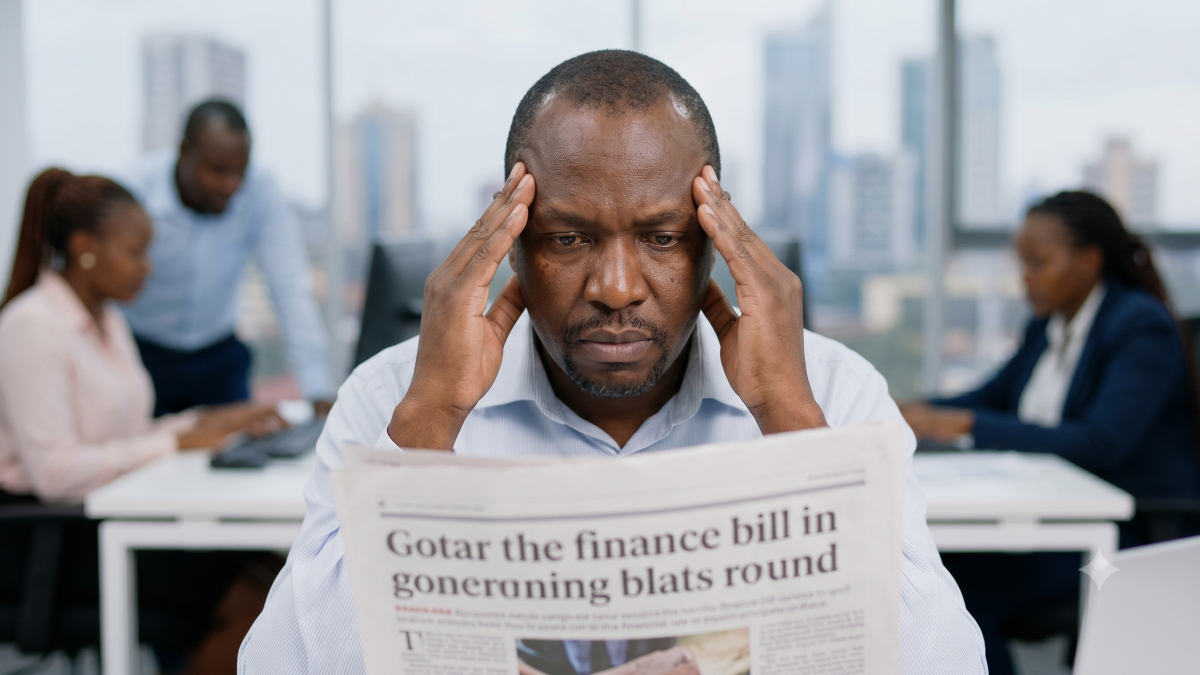
Exam anxiety and academic achievement are known as emotional states accompanied by stress, fear, and anxiety that affect individuals at various stages of their lives, particularly in connection with assessment processes, testing, and exams.
This anxiety manifests in numerous signs that reflect the examinee’s nervousness.
The danger of exam anxiety in academic achievement lies in its advanced stages; while the initial impact of stress and anxiety can serve as a motivator to exert more effort to pass exams and succeed, its negative effects start to emerge as anxiety amplifies to unnatural levels, preventing students from achieving tranquillity and calmness before, during, or after an exam.
Start preparing early
One of the biggest causes of exam anxiety is leaving revision until the last minute.
Create a realistic study schedule that breaks your work into manageable sections.
Studying consistently over several days or weeks helps you retain information and reduces the pressure of cramming.

Get enough sleep
Sacrificing sleep to study may do more harm than good. Sleep plays an important role in memory, concentration, and problem-solving.
Aim for seven to nine hours of quality sleep each night, especially in the days leading up to an exam.
Eat balanced meals
Your brain needs proper nutrition to function well. Eat regular meals that include fruits, vegetables, whole grains, lean proteins, and healthy fats.
Avoid relying on excessive caffeine, sugary snacks, or energy drinks, as they can increase feelings of nervousness and interfere with sleep.

Stay physically active
Regular physical activity is a natural stress reliever. Even a short walk, stretching, or a 20-minute workout can improve your mood, reduce tension, and help you feel more focused before returning to your studies.
Practise relaxation techniques
When anxiety starts to build, take a few minutes to calm your mind.
Deep breathing, meditation, mindfulness, or gentle muscle relaxation can slow your heart rate and reduce feelings of panic.
These techniques can also be used just before or during an exam if you begin to feel overwhelmed.
Focus on what you can control
Instead of worrying about the outcome or comparing yourself to others, concentrate on the things you can influence such as preparing well, attending revision sessions, and arriving at the exam on time.
Focusing on your own efforts can help reduce unnecessary stress.
Avoid comparing yourself to others
Everyone studies differently and learns at their own pace.
Hearing classmates talk about how much they have studied can increase anxiety.
Trust your preparation and avoid measuring your progress against someone else’s.