Advertisement
5 traditional wound remedies and the science behind them
03rd July, 2026 08:08 PM
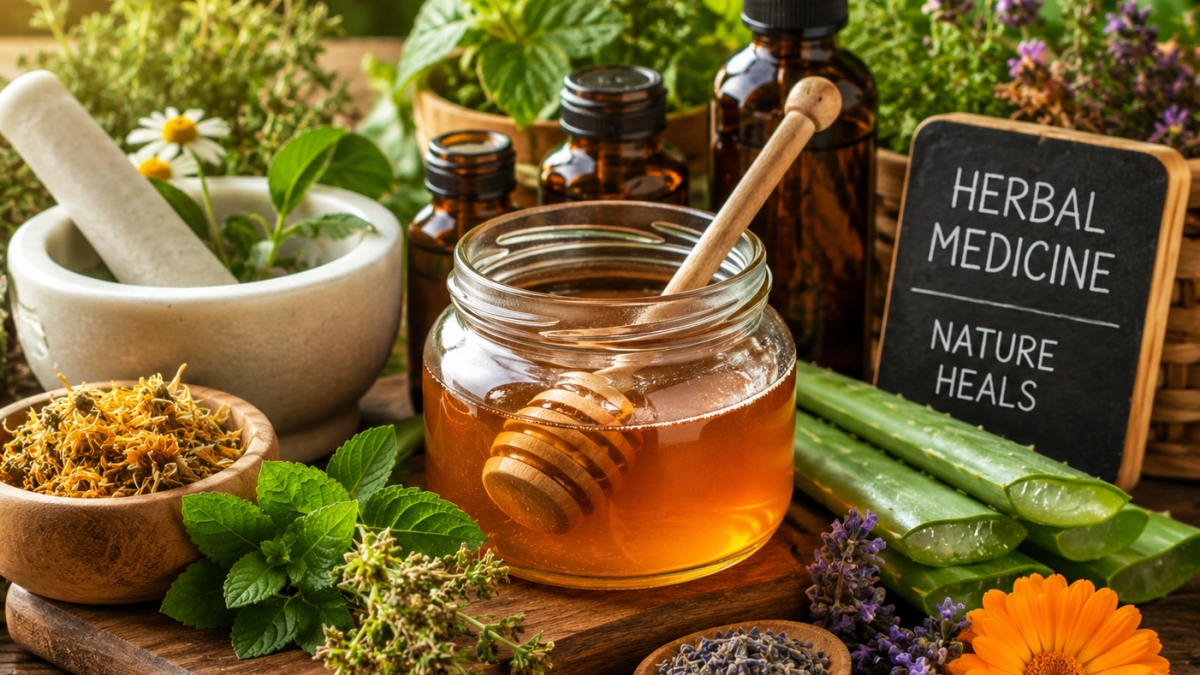
Most small wounds heal naturally with time, but home remedies, such as aloe vera, antibacterial ointment, or honey, may speed up the healing process.
A wound leaves the body’s internal tissues exposed to the external environment. Cuts, blows, or other impacts are common causes.
People may be able to treat a minor wound at home. However, they should seek medical help if they have a severe injury that involves broken bones or excessive bleeding.
Honey
Honey has been used for thousands of years to treat wounds, and modern research supports some of its benefits. Medical-grade honey has antibacterial properties, helps maintain a moist wound environment, and may promote healing in certain types of wounds.
However, not all honey is suitable for wound care. Ordinary honey bought from a shop may contain bacteria or impurities and should not be applied to open wounds unless advised by a healthcare professional. Medical-grade honey is specially sterilised for safe clinical use.
Aloe Vera
Aloe vera is traditionally used to soothe burns, minor cuts, and skin irritation. The clear gel inside the plant contains compounds that may reduce inflammation and keep the skin moisturised, which can support the healing of superficial wounds.
While aloe vera may help with minor skin injuries, it should not replace proper medical treatment for deep, infected, or heavily bleeding wounds.
Turmeric
Turmeric has long been valued in traditional medicine because it contains curcumin, a compound with anti-inflammatory and antioxidant properties. Laboratory studies suggest curcumin may support the body’s natural healing processes.
Despite these promising findings, applying turmeric powder directly to an open wound is generally not recommended. It is not sterile and may introduce contaminants that increase the risk of infection.
Clean running water
Although often overlooked as a “traditional remedy,” washing a wound with clean running water has always been one of the most effective first-aid practices. Proper cleaning removes dirt, debris, and bacteria that can cause infection.
Health professionals continue to recommend gently rinsing minor wounds with clean water before covering them with a sterile dressing.
Medicinal plants
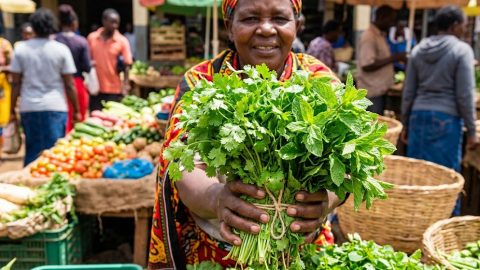
Many communities have traditionally used medicinal plants to treat wounds. Some plants contain natural compounds with antimicrobial or anti-inflammatory properties, and researchers continue to study them for potential medical applications.
However, not all medicinal plants are safe or effective. Misidentifying a plant, using contaminated leaves, or applying untested herbal mixtures can delay healing or cause infections and allergic reactions. It’s important to use caution and seek advice from qualified healthcare providers.