Advertisement
Left-Handers Day: Surprising facts about being born left-handed
13th August, 2026 01:38 PM
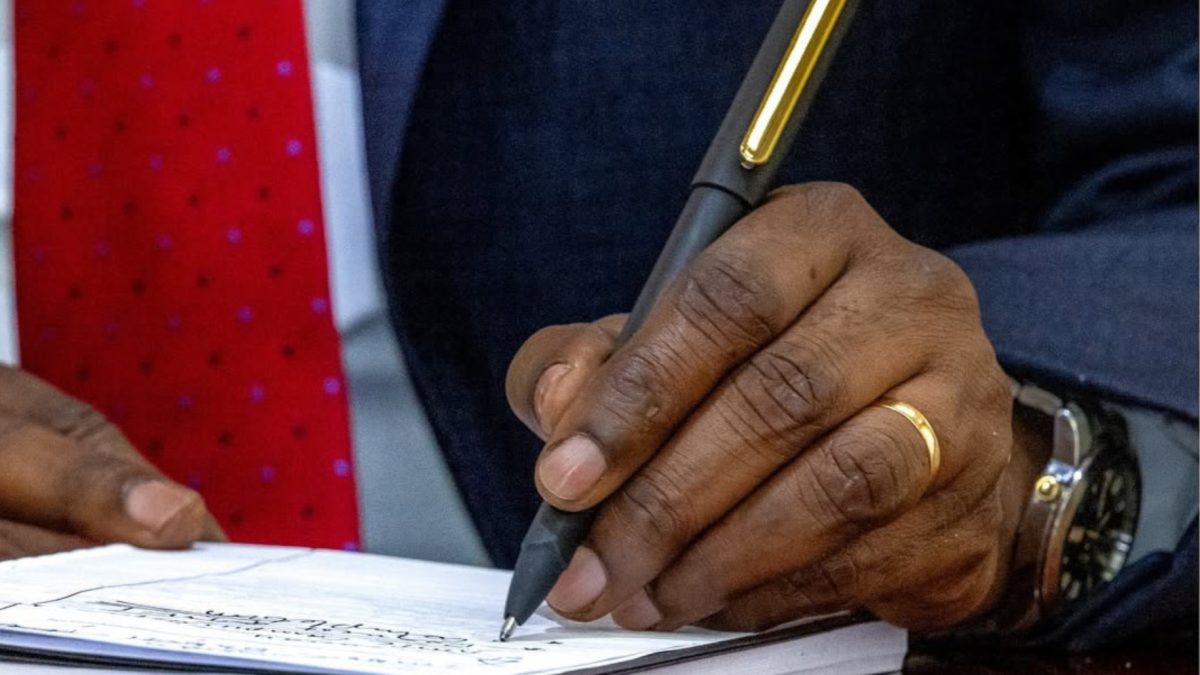
Every year on August 13, International Left-Handers Day shines a spotlight on the millions of people who naturally favour their left hand in a world largely designed for right-handers.
Left-handedness is more common than many people might think. A large meta-analysis found that about 10.6 per cent of the global population is left-handed, although estimates vary depending on how handedness is measured.
But what does it actually mean to be born left-handed? Here are some surprising facts about left-handedness.
- Left-handedness is influenced by genes and the environment
According to MedlinePlus, being left-handed is not controlled by a single left-handed gene. Researchers believe that multiple genes, together with environmental and developmental factors, influence which hand a person prefers.
Children with left-handed parents are more likely to be left-handed themselves, but most children of left-handed parents still grow up right-handed.

- Lefties are a minority
Right-handed people make up the overwhelming majority of the population, with estimates suggesting roughly 85 to 90 per cent of people are right-handed in Western countries.
That makes left-handers a relatively small group, with their preference appearing across different cultures and regions.
- Left-handedness is not a disadvantage
Despite generations of myths surrounding left-handedness, being a leftie is simply one form of human variation.
- Some athletes benefit from being left-handed
Left-handed athletes can sometimes have an advantage in sports where opponents are more accustomed to facing right-handed players. This is particularly noticeable in sports such as tennis and combat sports, where the angle and direction of attacks can differ.
However, this does not mean every left-handed person is naturally more athletic. The idea that lefties have universal sporting advantages remains more complicated than the popular stereotype suggests.

- Your brain plays a role
Research conducted by MedlinePlus shows that hand preference is connected to the way the brain develops and organises movement.
The left and right sides of the brain control movement on opposite sides of the body, and handedness is associated with differences in this left-right organisation.
- Left-handers have adapted to a right-handed world
From scissors and desks to certain tools and equipment, many everyday objects are designed primarily for right-handed users.
This can make seemingly simple activities less convenient for left-handers and is one reason International Left-Handers Day also serves as an opportunity to highlight the experiences of people who favour their left hand.
- Left-handedness has existed for thousands of years
Being left-handed is far from a modern phenomenon. Archaeological and palaeontological evidence suggests that hand preference has existed throughout human history, with clues found in ancient tools, weapons and cave art.
Left-handers’ day
August 13 is International Left-Handers Day, a day dedicated to celebrating people who favour their left hand and raising awareness of the challenges they face in a predominantly right-handed world.
The tradition was started by the Left-Handers Club, a group based in the United Kingdom. Each year, left-handers around the world mark the occasion through interviews, activities and even games played using the left hand.
The day offers an opportunity to celebrate this difference while reminding society that not everyone interacts with the world in the same way. For the roughly one in 10 people who favour their left hand,and also is a chance to celebrate being left-handed.