Advertisement
Why left-handed athletes have an edge on the field and in the ring
13th August, 2026 09:12 AM
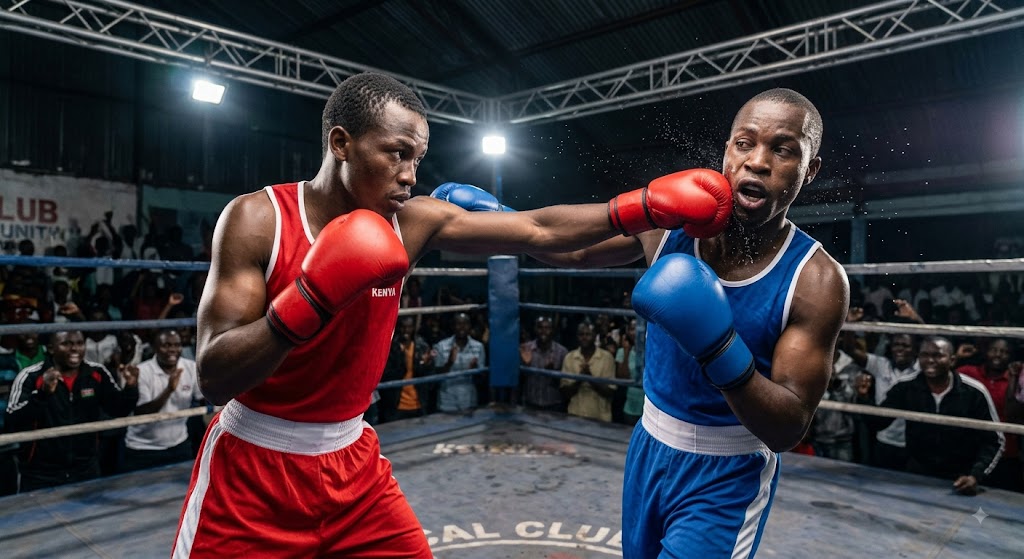
If you watch football, boxing, or tennis, you have probably noticed something interesting. Left-handed boxers land punches that catch their opponents completely off guard.
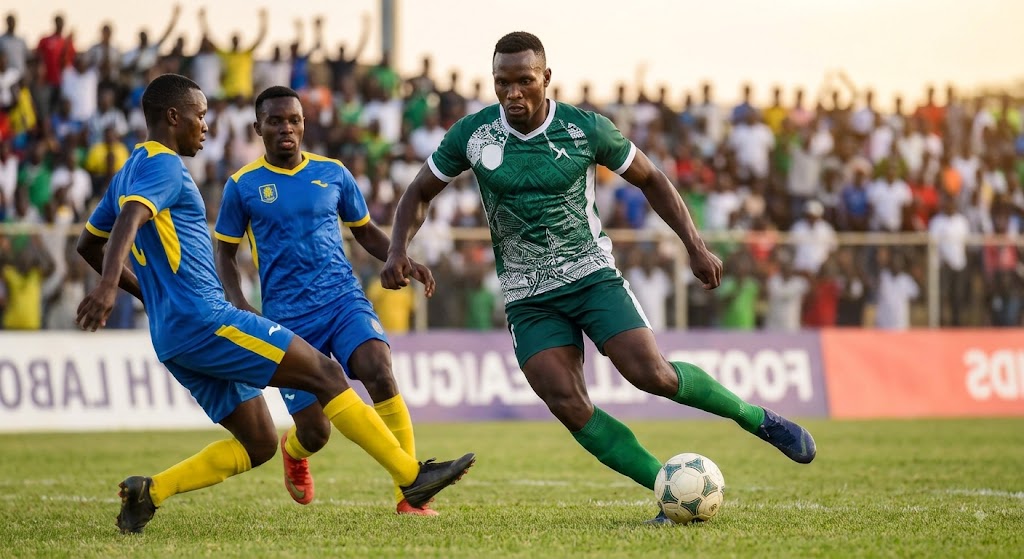
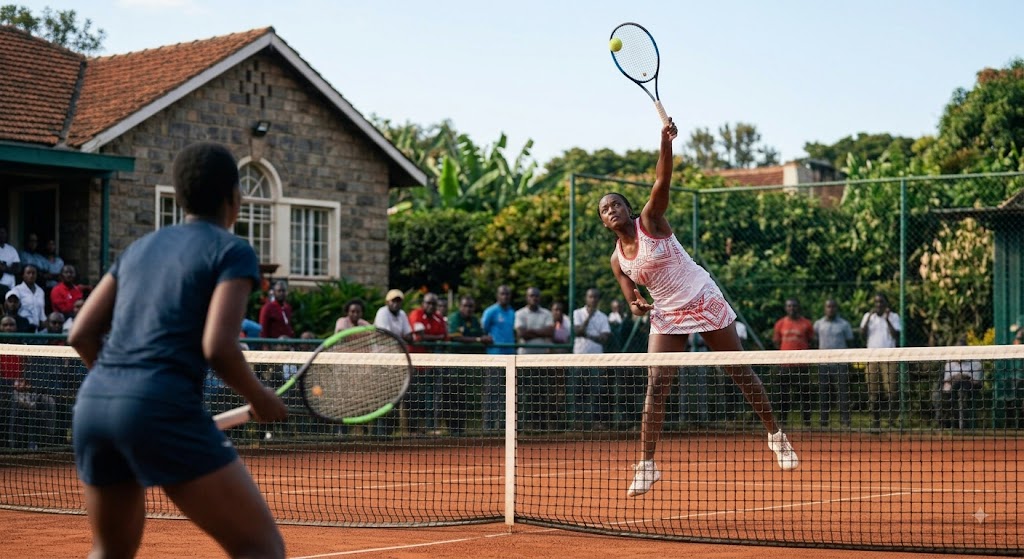
Left-footed wingers whip in crosses with curves that defenders struggle to read. Left-handed tennis players hit serves that bounce away at awkward, uncomfortable angles.
In fast-paced sports, being left-handed is actually a real tactical advantage on the pitch and in the ring.
The math behind the surprise
This edge comes down to simple numbers and daily habit. Right-handed people make up about ninety per cent of the global population.
That means almost every athlete spends their entire career training against right-handed opponents. They get used to standard body angles, predictable movements, and typical defensive stances.
When a left-hander steps onto the pitch or into the ring, those trained habits suddenly break down.
Left-handers make movements that look completely inverted to right-handed players. A southpaw boxer throws jabs from an angle a right-handed opponent rarely sees in daily sparring.
A left-footed winger attacks from a side that defenders are not accustomed to blocking.
This surprise factor becomes even stronger when time is short. Scientists studying sports performance have looked closely at why right-handed athletes struggle to react to lefties under pressure.
In a study published in Biology Letters, researcher Florian Loffing found that “a left-hander’s advantage is linked to the sport’s underlying time pressure.” When a game moves fast, players react on pure instinct rather than careful thought, making unfamiliar left-handed moves much harder to stop.
Practice makes the difference
Left-handed athletes are not born with extra muscle strength or better coordination. Their edge comes down to simple practice and familiarity.
Lefties spend their whole lives playing against right-handed opponents, so they feel completely comfortable facing the majority. Right-handed players, on the other hand, rarely get enough time facing lefties to build that same comfort level.
Whether in a local boxing gym in Nairobi or on a neighbourhood football pitch, left-handed athletes continue to turn a rare physical trait into a clear winning strategy.