Advertisement
Elvis Opiyo’s death sparks debate over Luo customs on burial of one who takes own life
13th August, 2026 01:09 PM
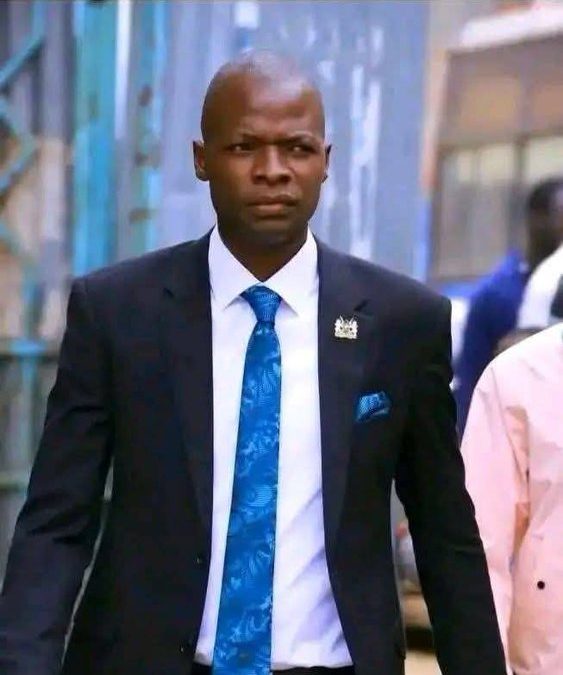
The death of Elvis Opiyo has sparked discussion around traditional Luo customs and beliefs surrounding people who take their own lives, particularly on how such deaths were traditionally handled before burial.
Traditional Luo beliefs on death and burial
According to cultural accounts shared by Kijana ya Misa, traditional Luo practices surrounding such deaths could differ significantly from the rites accorded to other members of the community.
One of the practices described is that the deceased would not be brought into the homestead through the main entrance. Instead, the body would reportedly be taken through a small opening known as “roth” in Dholuo.
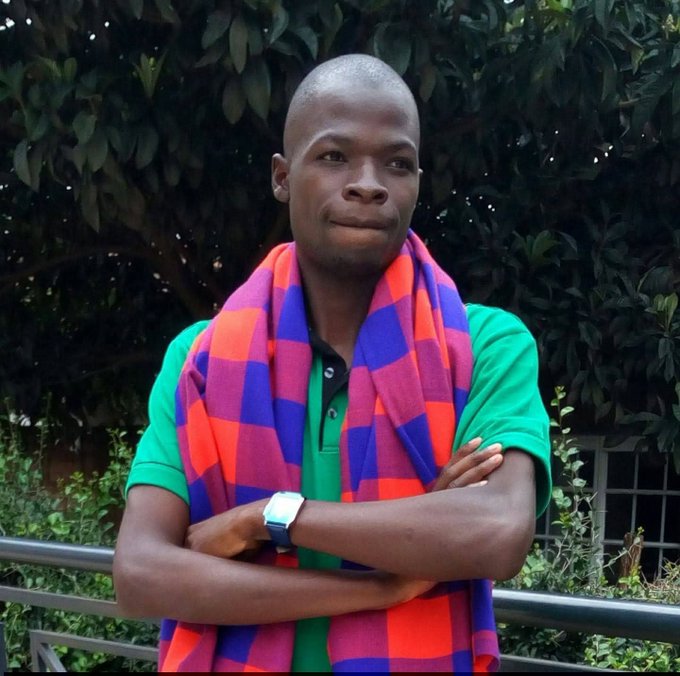
The burial rites were also traditionally believed to involve a form of punishment. According to the account, before burial, the deceased would be removed from the casket and receive at least seven strokes of a cane from his maternal uncles, with the ritual carried out while the body was naked.
Another striking aspect of the traditional practice was the absence of mourning through tears. Those attending the funeral were reportedly not expected to weep during the rites.
The deceased would also not be buried within the family homestead. Instead, the burial would take place in a separate or abandoned section of the family land, referred to as “gunda” in Dholuo.
The account further states that family members would avoid giving future children the same name as the deceased, with the belief that this would prevent what was regarded as a “suicidal” spirit from returning to subsequent generations.
What happens to the deceased’s belongings?
Personal belongings were also traditionally treated differently. According to the account, items belonging to the deceased, including a vehicle if they owned one, were not to be used by family members and could instead be destroyed or burnt.
In some accounts, burial could even take place at night, further distinguishing the rites from those normally accorded to other members of the community.
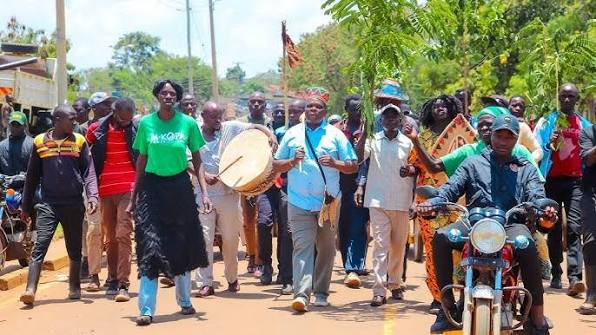
However, these practices should not be presented as universal among all Luo people today. Customs vary between communities and families, and many traditional practices have changed over generations due to Christianity, modernity and changing cultural attitudes.
The discussion surrounding Elvis therefore offers an opportunity to examine how traditional Luo society understood death, family, community and the consequences attached to taking one’s own life.