Advertisement
Herbal kitchen ingredients used to make concoctions
17th June, 2026 01:04 PM

In many homes, the kitchen is also a place for simple wellness practices, particularly when it comes to warm drinks made from common herbs and spices.
According to the World Health Organization (WHO) these ingredients are not presented as cures but as part of food traditions where warmth, flavour and comfort come together in a cup.
Ginger, lemon, garlic and honey are often combined in hot water to make soothing drinks consumed in cold seasons across cultures. They are valued for their use in cooking, their scent and their long-standing presence in everyday meals.
Ginger
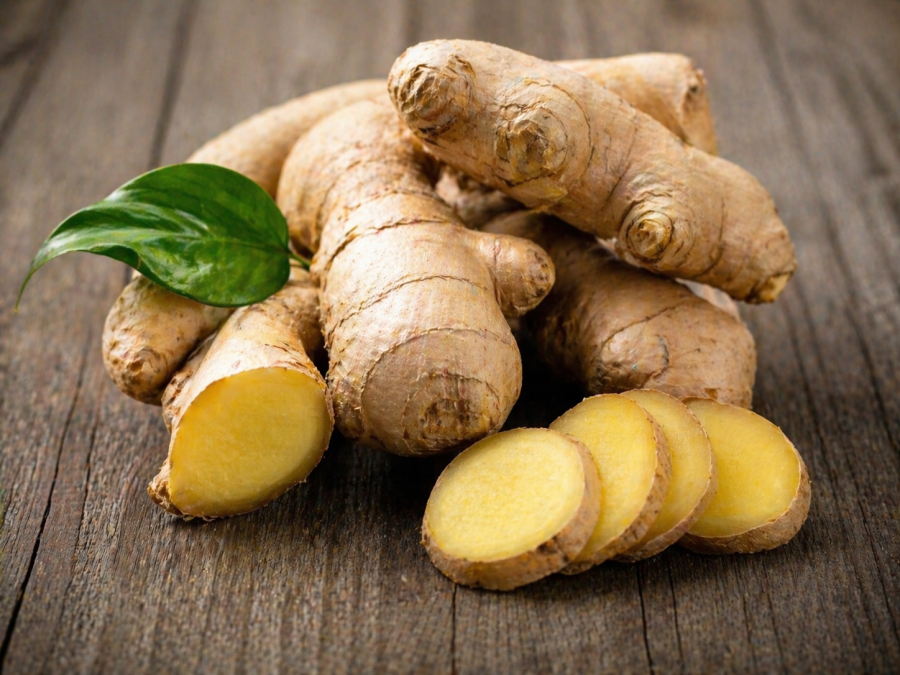
Ginger is one of the most widely used kitchen roots in warm drinks. It is sliced or grated into hot water to release its strong, spicy flavour. Ginger is valued for its warming taste and ability to add depth to both sweet and savoury dishes. It is commonly included in soups, teas and broths, making it a staple ingredient in many households.
Lemon
Lemon is often added to warm water-based drinks for its sharp, citrus flavour. According to Healthline report, it helps balance strong flavours such as ginger or garlic. Its juice and peel are frequently used in beverages, marinades and desserts. The refreshing taste of lemon makes it a popular addition in simple homemade drinks enjoyed throughout the day.
Garlic
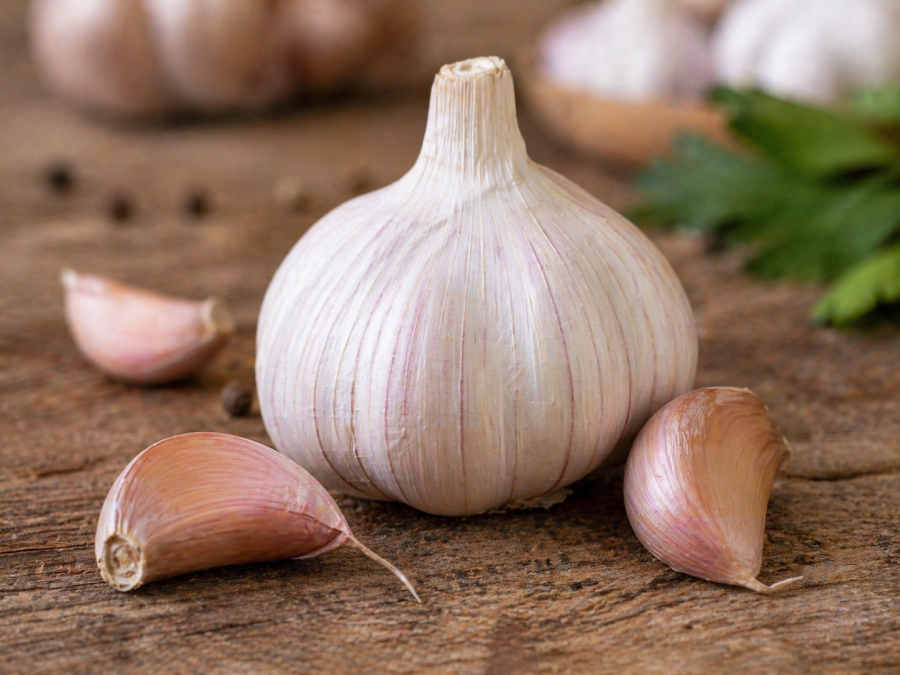
According to National Institutes of Health (NIH) research, garlic is usually crushed and infused in hot water or added into broths in small amounts. In cooking, it is known for its strong aroma and rich flavour that enhances savoury dishes. It is a key ingredient in stews, soups and sauces, forming the base of many traditional recipes across different cuisines.
Honey
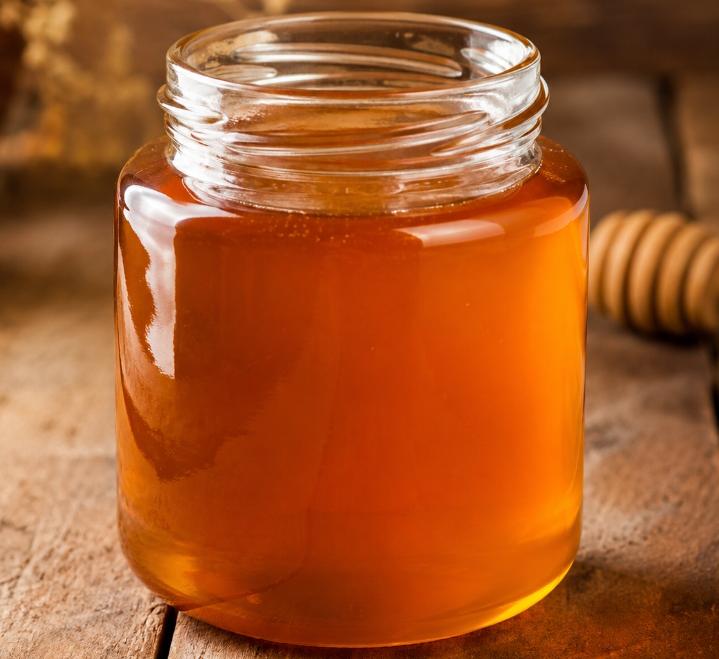
Honey is commonly used as a natural sweetener in warm drinks. It blends easily with lemon and ginger, softening their strong taste. In culinary practices, honey is added to porridge, tea and baked foods. Its smooth texture and sweetness make it a preferred ingredient in homemade beverages.
Turmeric
Turmeric is a bright yellow spice often used in warm mixtures for its earthy flavour. It is a common ingredient in rice dishes, soups and milk-based drinks. When combined with other spices, it adds colour and depth, making it a key part of many traditional cooking styles.
Cinnamon
Cinnamon sticks or powder are frequently added to hot drinks for their sweet and woody flavour. In cooking, cinnamon is used in both sweet and savoury recipes, including baked goods, porridges and spiced teas. It brings warmth and aroma to simple kitchen preparations.
Cloves
Cloves are small but highly aromatic spices used in limited amounts due to their strong taste. In culinary use, they are added to spiced teas, rice dishes and stews. When infused in hot water, they release a deep, warm flavour that blends well with other spices.
Mint
Mint leaves are often added fresh to warm or cooled drinks for their refreshing taste. In cooking, mint is used in salads, sauces and beverages. It adds a light, cooling contrast when combined with stronger spices like ginger or garlic.
These kitchen ingredients continue to feature in everyday food traditions, especially in warm homemade drinks that focus on flavour, comfort and familiarity rather than medical claims.