Advertisement
How ‘set-jetting’ is turning TV shows and films into travel guides
30th August, 2026 09:19 PM
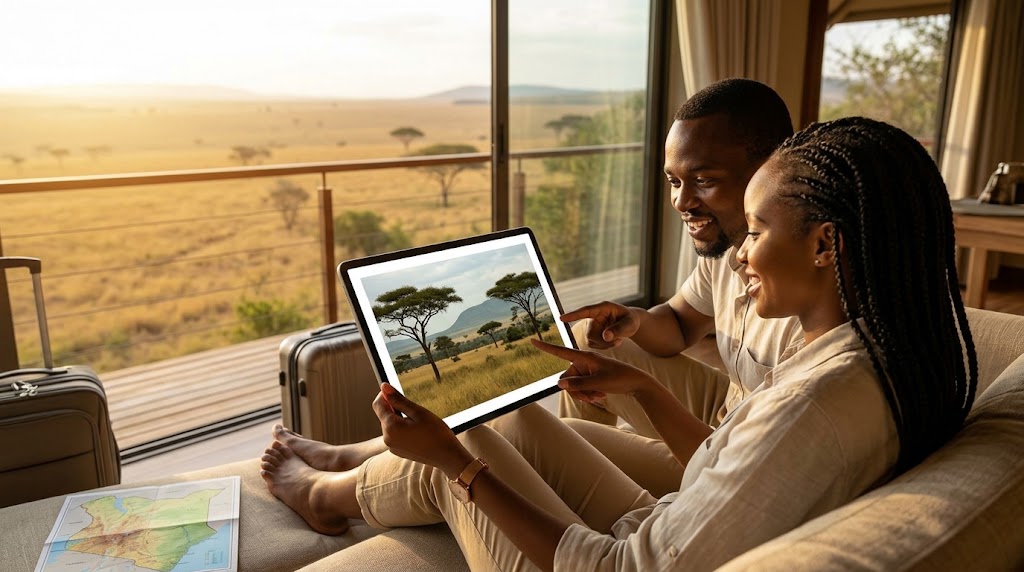
A good film or TV show can do more than entertain. It can make viewers want to see the streets, beaches, hotels and landscapes on screen for themselves.
That is the idea behind set-jetting, the travel habit of planning a trip around a film or TV show.
The term was popularised by Expedia, which identified it as a major travel trend in 2023. Its 2024 research found that “53% of travellers had researched or booked a trip after seeing a destination on TV or in a film.”
One in four said films and TV shows had become more influential in their travel plans.
Streaming has made the effect easier to see. A series can reach viewers in dozens of countries at almost the same time, turning places that were once unfamiliar into recognisable travel destinations.
When fictional story sells real place
Some of the biggest examples are easy to spot.
The White Lotus helped put Hawaii and Sicily in front of a global audience, while Wednesday boosted interest in Romania. Expedia reported a 150% rise in searches for Romania after the Netflix series was released.

Searches for Paris also rose by 200% after a new season of Emily in Paris.
The tourism effect is not limited to popular locations.
A 2025 study published in the International Journal of Tourism Research found that “screen exports can increase tourism demand between countries.” The researchers described screen tourism as a marketing tool that can encourage tourism demand and economic development.
The result is a shift in destination marketing. Instead of simply showing travellers a beautiful place, a film or series gives them a reason to care about it.
Kenya’s screen tourism story
Kenya is not new to this.
Academic research has examined visitors to the Karen Blixen Museum and parts of Samburu connected to Out of Africa and The White Maasai.
The study found that movie-induced tourism was already attracting visitors to these locations, while also showing that the way destinations are portrayed can affect how tourists view their experience.
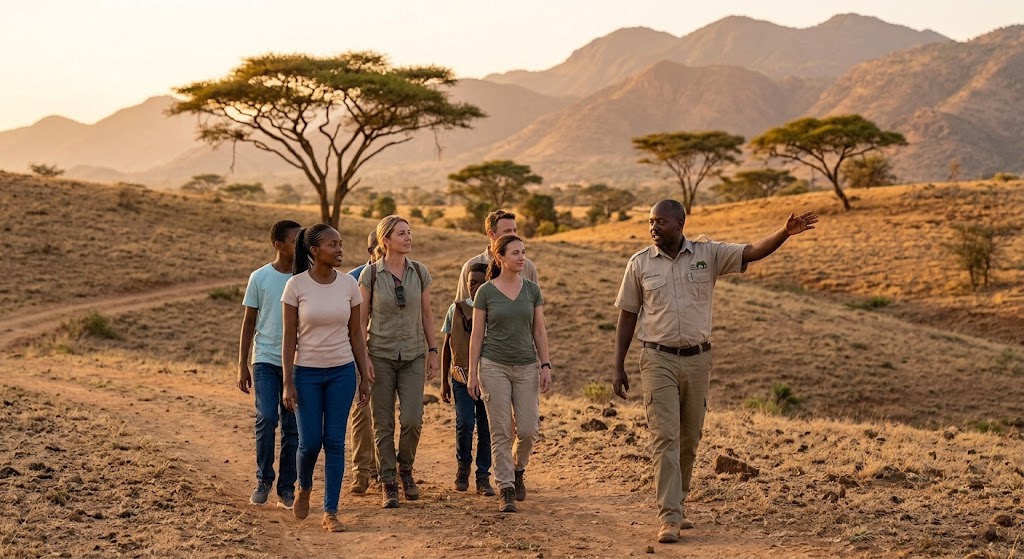
That makes set-jetting more than a social media trend. For tourism marketers, a successful production can keep a destination in front of potential visitors long after filming ends.
For travellers, it can turn a place first discovered on a phone or television into the next holiday plan.
For filmmakers and destination marketers, the lesson is simple: where a story happens can become part of the story itself.