Advertisement
How to budget for a one-week vacation
17th June, 2026 01:54 PM
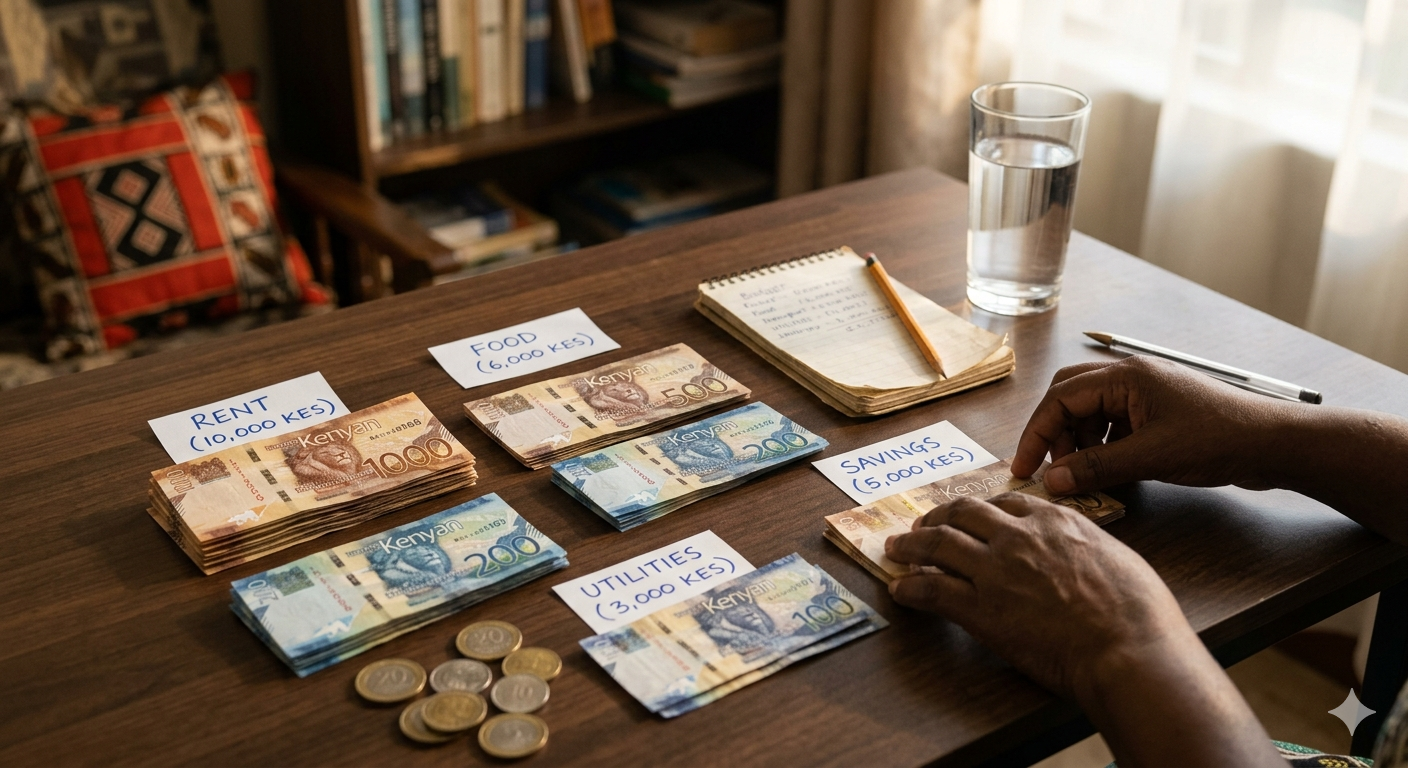
Planning a one-week vacation often brings excitement, but without a clear financial plan, it can quickly turn into a stressful experience. A well-structured budget helps balance enjoyment with financial responsibility, ensuring that every shilling spent adds value to the trip.
From transport and accommodation to food and leisure activities, every detail matters when preparing for a short getaway. The key is not to limit enjoyment but to plan realistically so that unexpected costs do not disrupt the experience.
With careful preparation, a holiday can remain memorable without financial strain.
Set a realistic travel budget before anything
The first step in planning a one-week vacation is understanding how much money can comfortably be spent without affecting essential financial obligations. According to Investopedia, Travel Budgeting this involves estimating major expenses such as transport, accommodation, meals, activities, and emergency funds. Setting a clear overall limit before booking anything helps prevent impulsive decisions that may strain finances later.
Researching the average cost of the chosen destination gives a realistic expectation of spending. Many travellers rely on online budgeting tools and travel guides to compare prices and build a workable estimate. Once the total figure is set, breaking it into categories makes it easier to control spending and track where the money goes throughout the planning process.
Break down the daily spending plan
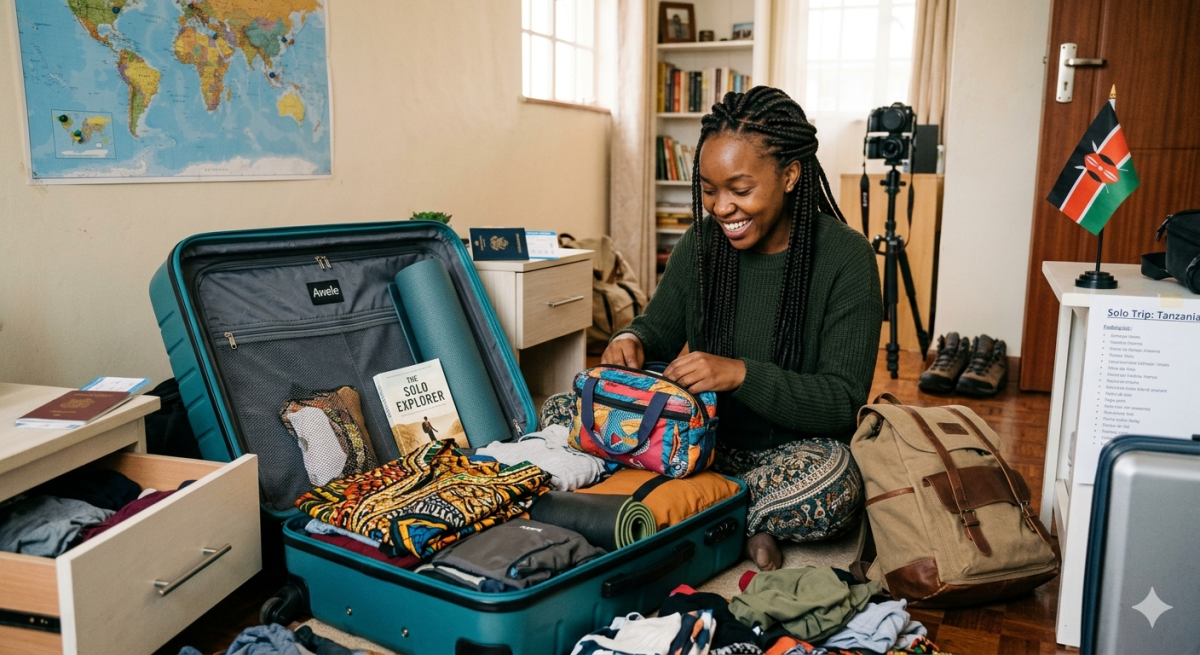
Once the main budget is set, dividing it into a daily spending plan helps maintain control during the trip. A one-week holiday can easily lead to overspending if costs are not monitored day by day. Allocating specific amounts for food, transport, shopping, and entertainment ensures discipline and reduces the risk of running out of money before the trip ends.
Research from the NerdWallet Trip Budget Guide stated that this method also introduces flexibility. If less is spent on one day, the remaining balance can be carried forward to another activity or meal. Keeping track through a simple notes app or budget tracker helps maintain awareness without disrupting the enjoyment of the holiday.
The goal is to ensure that spending remains intentional rather than accidental.

Smart saving habits before and during the trip
Saving for a vacation starts long before the journey begins. Early bookings for flights or accommodation often come with lower prices, while comparing different options ensures better value. Travelling during off-peak seasons can also significantly reduce overall costs, leaving more room in the budget for experiences.
During the trip, small financial habits make a big difference. Choosing affordable local food options, using public transport where possible, and avoiding unnecessary impulse purchases help stretch the budget further.
It is also wise to set aside an emergency fund for unexpected situations such as medical needs or sudden travel changes. These simple practices help maintain financial control while still allowing full enjoyment of the experience.
A one-week vacation does not have to be expensive to be enjoyable. With proper planning, realistic budgeting, and mindful spending, travellers can fully enjoy their time away without financial pressure. The balance between enjoyment and discipline ensures that the experience remains positive both during and after the trip.
A thoughtful budgeting approach turns a simple holiday into a well-managed and stress-free experience.