Advertisement
Why tracking your spending is the money habit that works
29th May, 2026 12:57 PM

Ask most Kenyans what they should do to get their finances in order, and the answer is almost always the same: “Make a budget.”
Budget for rent, budget for food, budget for the weekend. It is sensible advice. It is also, for most people, advice that lasts about ten days before life intervenes and the spreadsheet quietly dies.
There is, however, a habit that requires none of the planning, none of the category columns, and none of the willpower, and the evidence for it is stronger than you might expect. It is simply this: write down every single shilling you spend. Not to plan. Not to judge. Just to record.
This is spending tracking, and it is not the same thing as budgeting. Budgeting tells you what you should spend. Tracking tells you what you actually spend.
The distinction matters because one requires a future plan and the other requires only a present record.
Why most people resist it
Writing down what you spend feels tedious. It also, on some level, feels confrontational, like holding up a mirror you would rather not look in.
There is something quietly uncomfortable about discovering you spent Ksh4,000 last month on mandazi and instant noodles at odd hours, or that your weekend matatu and boda costs add up to something genuinely surprising.
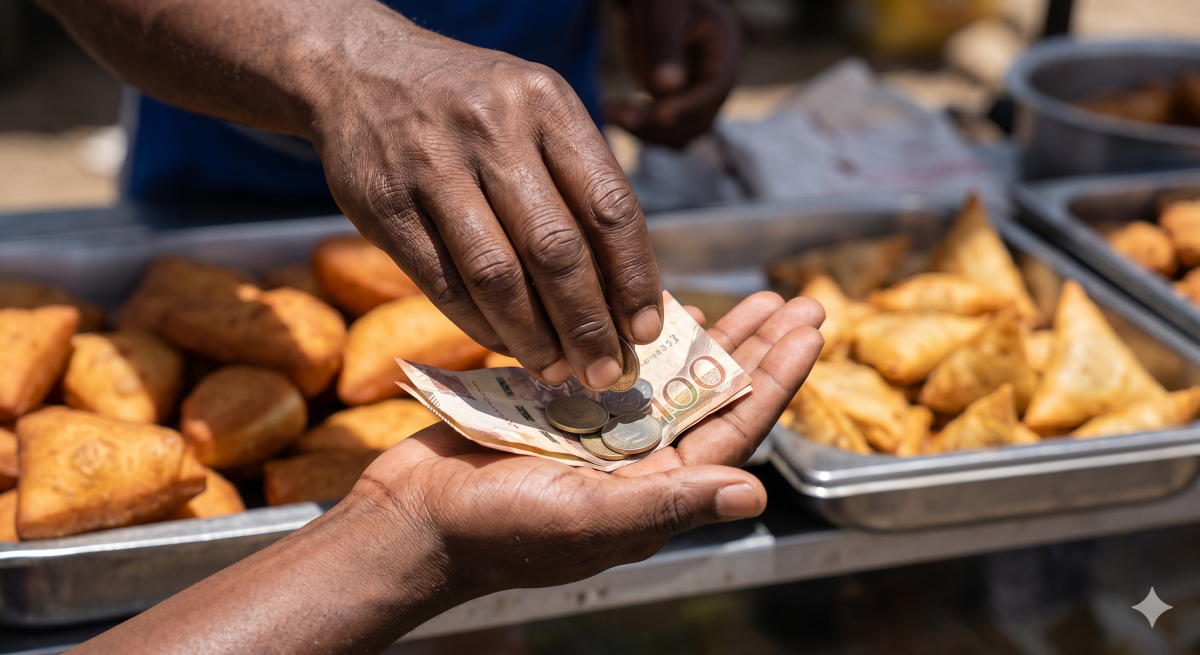
That discomfort, it turns out, is exactly the mechanism. Spending awareness creates what researchers call the ‘pain of paying’ – a mild psychological friction that makes us think twice before the next purchase, not because we have set a rule, but because we now know.
What the research actually says
A 2023 paper in the Consumer Interests Annual, by Yiling Zhang of the University of Wisconsin-Madison, examined real-world user data from a financial tracking app and found that persistent expense tracking is associated with a reduction in the share of discretionary spending.

Critically, Zhang also found that “manual tracking (physically recording each transaction rather than relying on automatic bank syncs) requires more engagement and is associated with higher financial self-awareness.”
In other words, the friction of writing it down yourself is not a bug. It is the whole point.
For Kenyans, where a significant portion of daily spending moves through M-Pesa and informal cash transactions that no bank statement will ever capture, manual tracking is actually the only method that catches the full picture.
How to start, and what to expect
A notes app, a small notebook, a WhatsApp message to yourself – whatever you will actually use. The rule is one: log every transaction on the same day it happens. Amount and rough category. That is it.

Most people who track consistently for three to four weeks report two things.
First, at least one category of spending that genuinely surprises them, something they were not conscious of. Second, a natural, unforced reduction in that category, simply because they can see it now.
No rule required. No willpower summoned. Just awareness, doing its work.
The habit nobody wants to do is often the one that costs the least and returns the most.