Advertisement
Why keeping a budget diary for one week will change how you spend money
11th May, 2026 08:35 AM
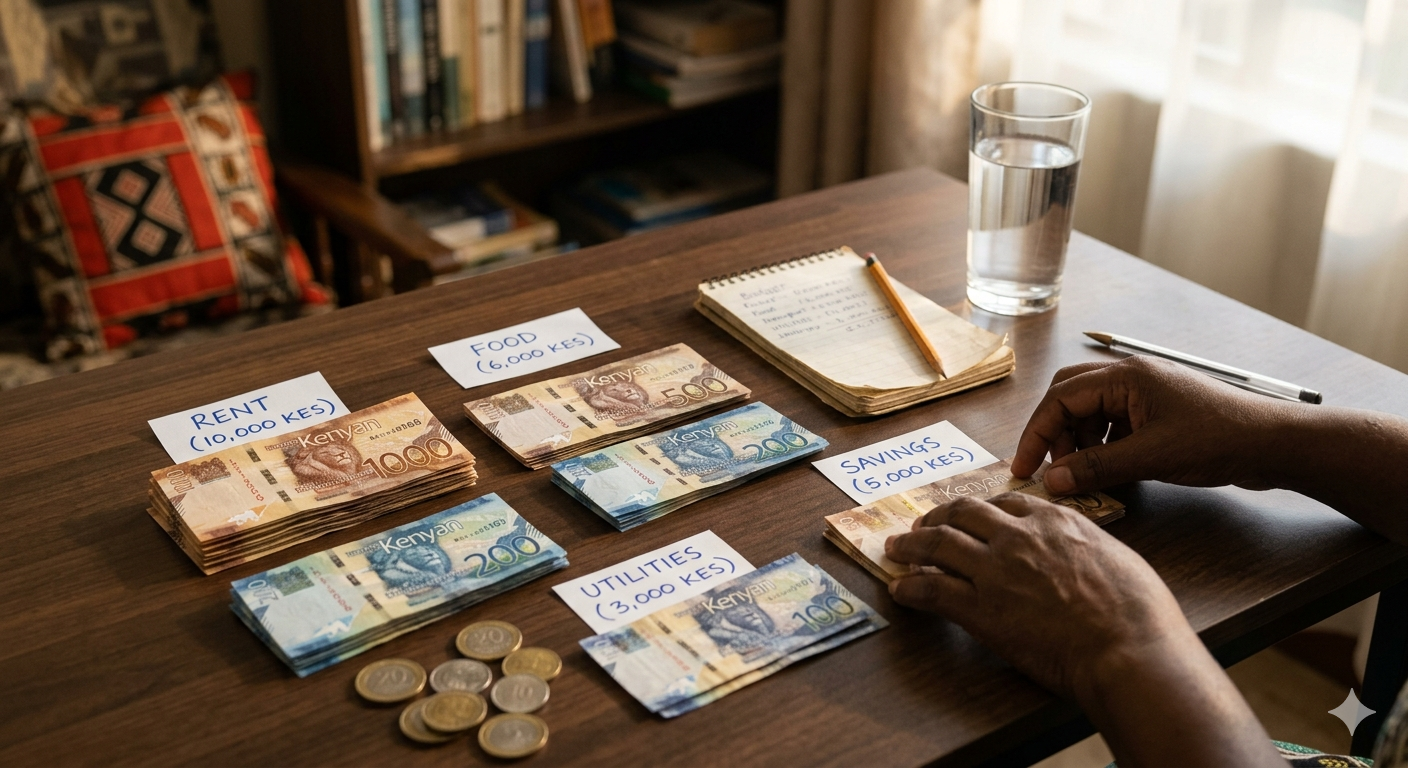
Many people in Kenya often wonder why money seems to disappear quickly, even after planning carefully at the beginning of the month. Salaries come in, bills are paid, a few small purchases are made along the way, and suddenly, there is barely enough left before the next payday.
In most cases, the problem is not always low income, but spending without fully paying attention to where the money goes.
Financial experts are now encouraging people to keep a simple budget diary, even if it is only for one week. The habit may sound small, but it has proven to be one of the easiest ways to understand personal spending patterns and improve financial discipline.
Small daily expenses tell a bigger story
A budget diary simply involves writing down every expense made during the day. It could be transport fare, lunch, airtime, coffee, online shopping, or even small M-Pesa transfers. While many people ignore these daily expenses because they seem minor, they often add up faster than expected.
In Kenya’s fast-moving lifestyle, many purchases are made out of convenience. A quick food delivery after work, extra mobile data bundles, ride-hailing services, or impulsive supermarket shopping can slowly consume a large portion of income without someone noticing.
According to the Kenya Bankers Association, financial literacy programs in Kenya continue encouraging people to understand budgeting, saving, and planning because many households struggle with managing daily expenses despite earning an income. The organisation notes that proper budgeting helps individuals make informed financial decisions and improve financial stability.
Awareness changes spending behaviour
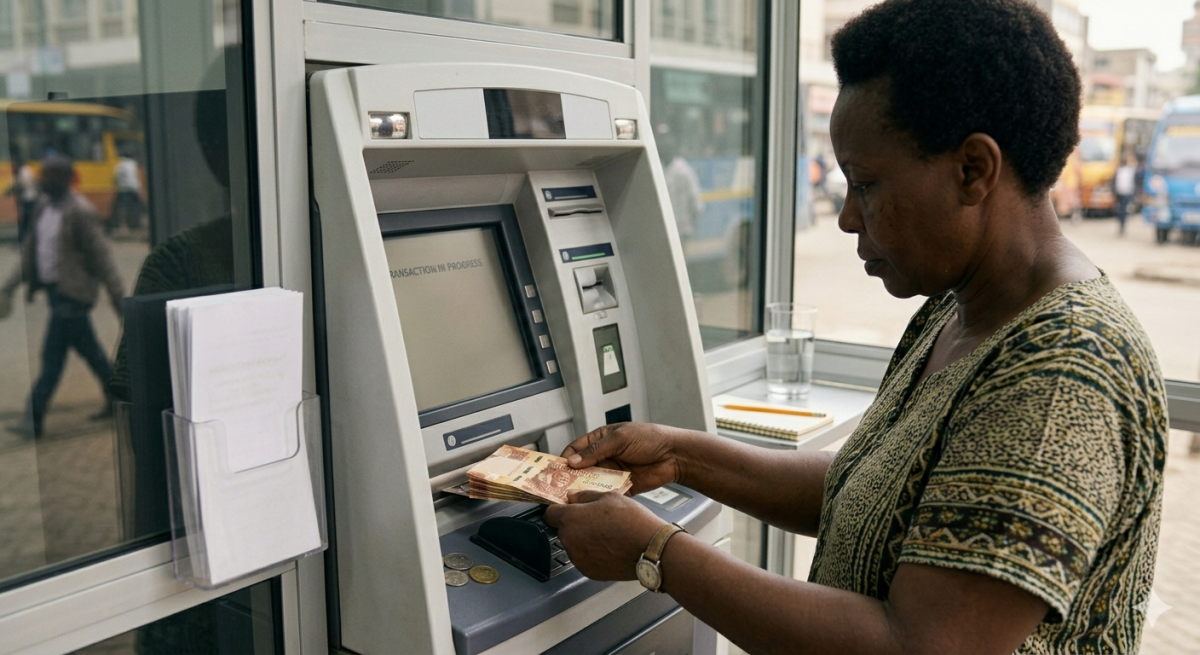
One surprising thing about keeping a budget diary is that it naturally changes behaviour. Once people know they must record every purchase, they begin questioning unnecessary spending. That simple act of accountability makes impulse buying less attractive.
Many Kenyans also discover financial “leaks” they had never noticed before. Some realise they spend too much on takeout meals, while others notice how frequent mobile money transactions, entertainment spending, or weekend outings affect their finances.
People avoid budgeting because they associate it with stress and restriction. However, budgeting is less about denying yourself enjoyment and more about understanding your money habits before they become overwhelming.
One week can build better financial habits
Although seven days may seem too short to make a difference, the experience often becomes eye-opening. Some people continue tracking their expenses long after the first week because they finally understand where their money actually goes.
Many people understand the importance of saving and budgeting, but struggle to put these practices into their daily lives. Budgeting challenges remain common despite growing financial awareness in the country.