Advertisement
How power steering works – and what it means when it fails
01st July, 2026 06:31 PM

Every motorist knows the sudden panic when a steering wheel becomes stiff. One moment the vehicle glides smoothly around a bend, and the next, turning requires serious muscle power.
Power steering operates quietly in the background until something goes wrong, making it important to understand how the system works and how to spot early failure signs.
The fluid versus the motor
Most vehicles on Kenyan roads use either hydraulic or electric power steering systems. Electric setups use an automated motor to provide assistance, which improves fuel efficiency since it only draws energy during active turns.
On the other hand, traditional hydraulic systems rely entirely on a continuous flow of specialised fluid to ease steering mechanics.
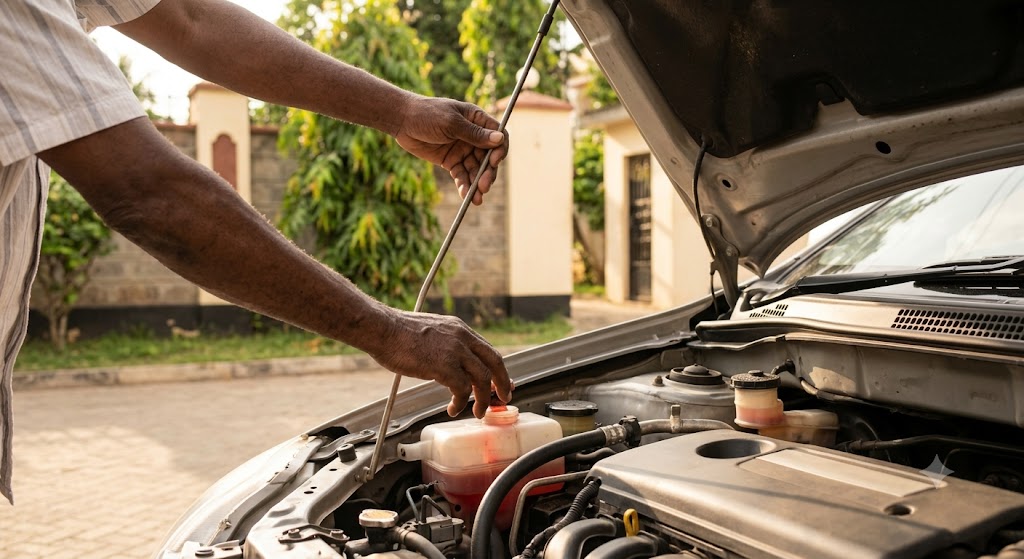
In a hydraulic setup, a pump connected to the engine crankshaft pressurises the steering fluid. When a driver turns the wheel, a valve directs this high-pressure fluid into a cylinder housing a piston.
This piston is connected to the rack-and-pinion mechanism, a system of gears that converts the circular motion of the steering wheel into the linear movement needed to turn the front tyres. The fluid pressure pushes the piston, which reduces the physical effort required from the driver.
A manufacturing study published on ResearchGate notes that “power steering pumps are the heart of any hydraulic power steering system.” When this pump develops internal issues, the steering assistance vanishes.
Catching the warning signs early
Before a hydraulic system shuts down completely, it almost always warns the motorist. The most common indicator is a distinct whining or groaning noise that gets louder as the steering wheel turns.
This sound typically means that the fluid level is low or that the pump is drawing in air, a process that creates internal bubbles and destroys the pump components.
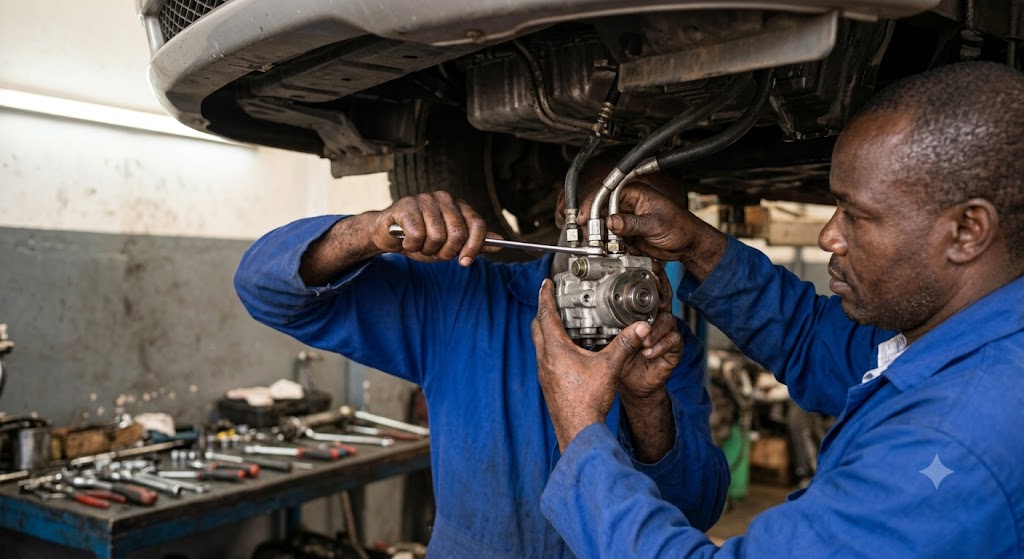
Ignoring this whine turns a minor fluid top-up into an expensive garage visit. A small fluid leak from a worn hose or seal can often be fixed for less than Ksh5,000.
However, driving with low fluid starves the pump of lubrication, leading to harsh metal-on-metal friction. A complete pump replacement or a total rebuild of the steering rack can easily cost upwards of Ksh25,000.
Motorists should check the fluid reservoir regularly; healthy fluid has a clear reddish colour, while dark or dirty fluid indicates it is time for a flush. Catching these leaks early keeps the steering light and protects the pocket from heavy repair bills.