Advertisement
How small enterprises can win govt tenders through AGPO services
22nd July, 2026 05:39 PM
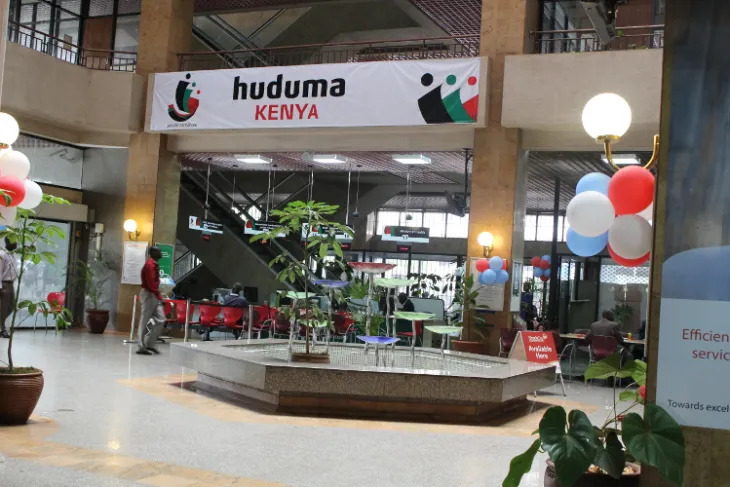
Getting a share of government business is now easier for young people, women, and persons living with disabilities. Huduma Kenya has rolled out Access to Government Procurement Opportunities (AGPO) registration desks at select locations across the country, saving entrepreneurs from lengthy online procedures and technical hurdles.
In a public notice on July 22, 2026, Huduma Kenya encouraged small business owners to visit these desks for support, stating, “Ni time ya kujibuild with @AGPO_Ke services at select Huduma Centres.”
The initiative aims at ”empowering the future of business” by helping small enterprises secure state tenders without unnecessary stress.
Who qualifies for the government tenders
The AGPO programme is grounded in the Constitution of Kenya, 2010, and the Public Procurement and Asset Disposal Act, 2015. It empowers marginalized business owners by reserving 30 per cent of all public procurement opportunities for them.
Under Kenyan law, youth refers to individuals aged between 18 and 35 years.
For an enterprise to qualify, women, youth, or persons with disabilities must hold at least 70 per cent ownership. Additionally, 100 per cent of the leadership and management must belong to members of these specified groups.
Securing an AGPO certificate allows small enterprises to bid for public tenders without competing against big corporate entities. Registration for the certificate is free, making it accessible to startups seeking their first major contract.
Requirements and how to get help
To make the process seamless, officers at selected Huduma Kenya branches now assist applicants directly.
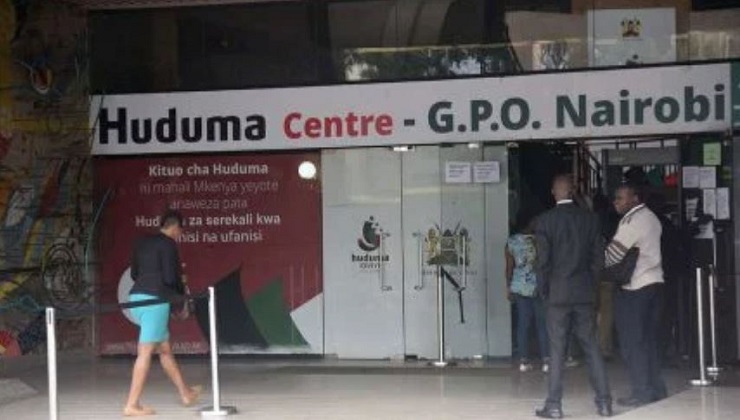
Applicants visiting a branch should bring basic business documents to complete registration. The enterprise must be registered at the Attorney General’s Office as a sole proprietorship, partnership, or limited company.
Required documents include a business registration certificate, a KRA PIN, a valid Tax Compliance or Tax Exemption Certificate, and copies of national identity cards.
Limited companies must provide a system-generated CR12 form. Partnerships require a partnership deed drawn up by a lawyer.
Businesses under the disability category need a valid registration card from the National Council for Persons with Disabilities. Furthermore, applicants must open a bank account for the business and obtain a bank reference.
Businesses in specialized sectors must present certificates from relevant professional bodies, such as the National Construction Authority or the Energy Regulatory Commission of Kenya.
Once verified, the AGPO certificate is processed through the official portal. For inquiries or clarification, Huduma Kenya noted, “Remember, you can always call us on 1919 for assistance with any government service.”