Advertisement
Fluids in your car you should be aware of and how to check them
15th June, 2026 09:31 PM
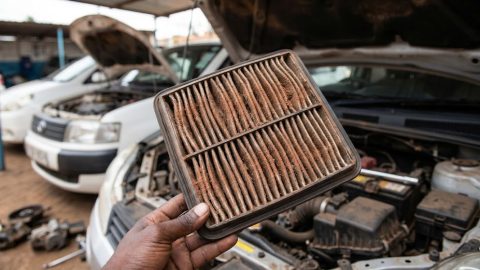
Many motorists only open the car bonnet when stranded on a busy highway. This habit often leads to massive garage bills, with major engine repairs easily costing upwards of Ksh50,000.
Vehicles rely on several critical fluids to run efficiently. Regularly checking these liquids keeps operational costs down and ensures safety on the road.
Checking the engine oil and coolant levels
Engine oil is the most important fluid to monitor because it prevents internal parts from grinding against each other.
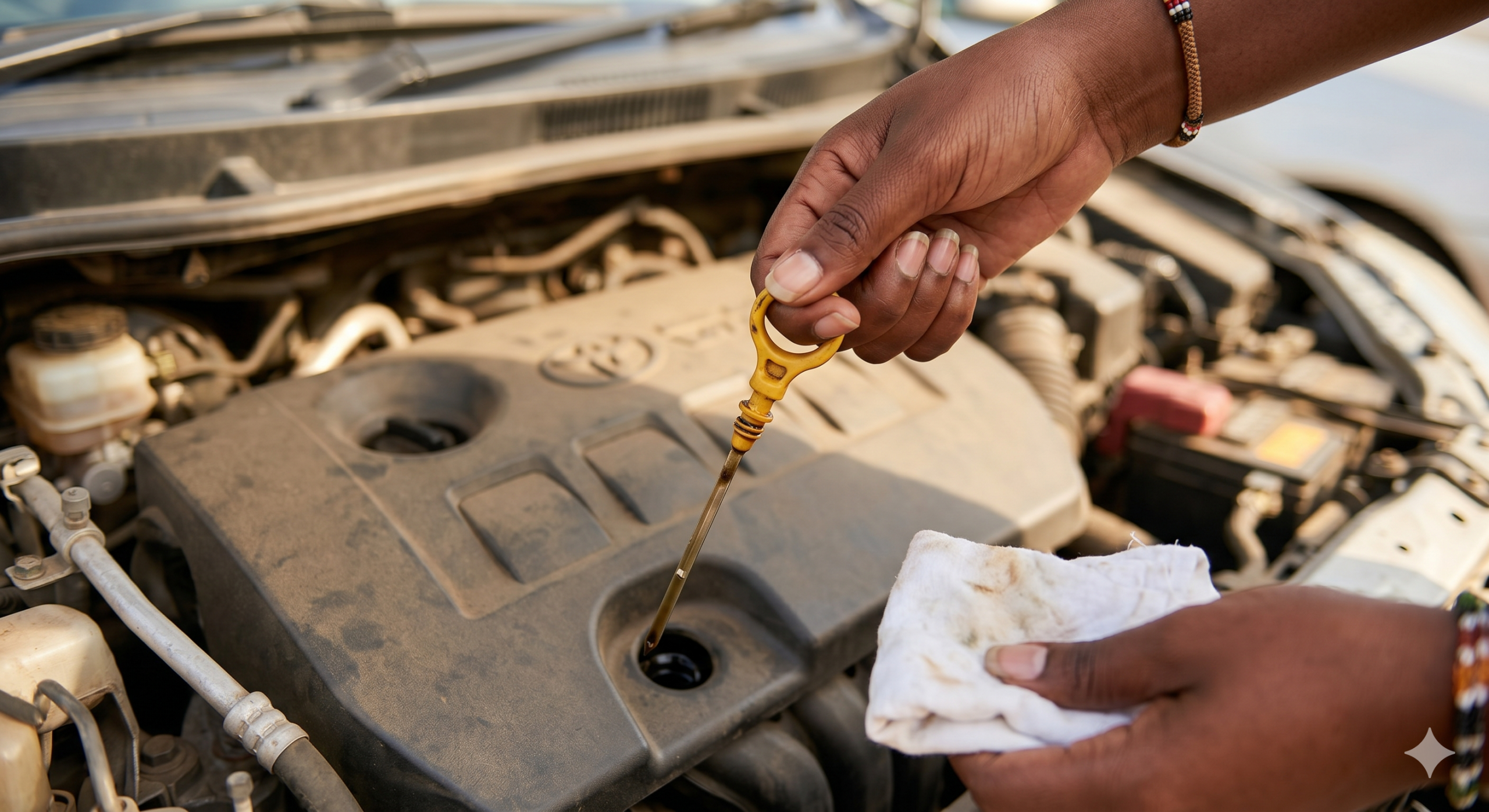
To check the level, park on flat ground, switch off the engine, and pull out the dipstick.
Wipe it clean with a cloth, reinsert it fully, and pull it out again. The oil level must sit between the two indicators on the stick. Clean oil has a golden colour, while dirty oil looks completely black.
Engine coolant is equally vital because it regulates engine temperature during intense traffic jams. Drivers can check this fluid by looking at the markings on the semi-transparent plastic reservoir tank next to the radiator.
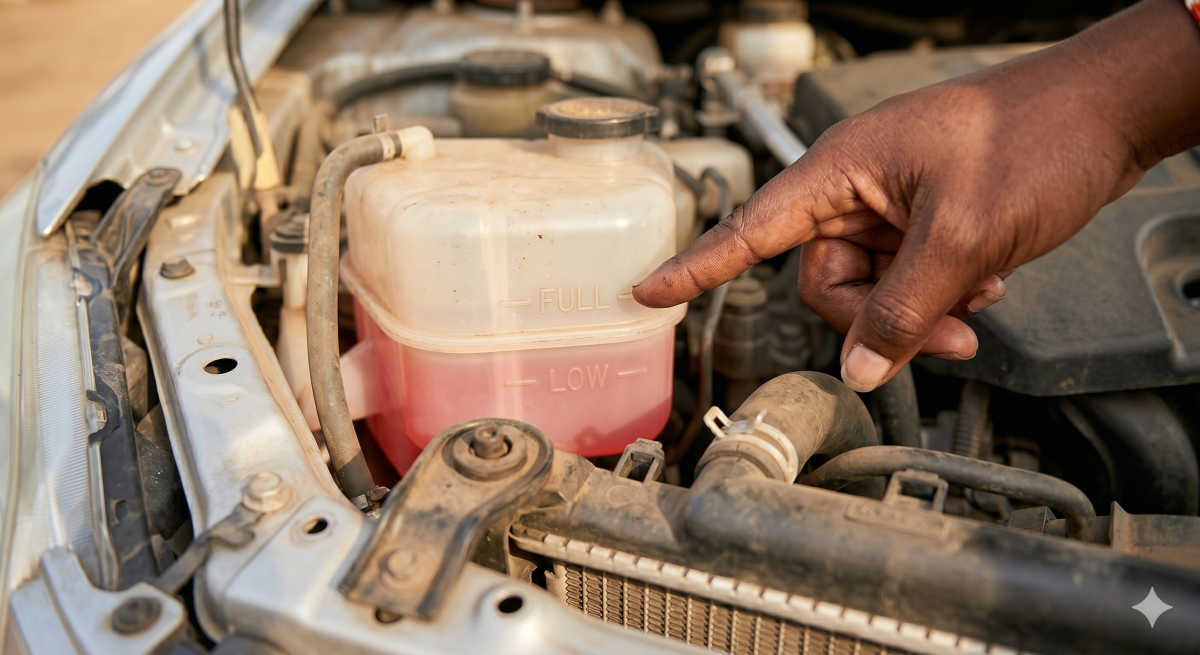
The fluid needs to remain between the low and full lines. Motorists should never open the radiator cap when the engine is hot, as the pressurised steam causes severe burns.
Monitoring brake, steering, and washer fluids
Brake safety depends entirely on hydraulic pressure from the brake fluid, which sits in a small reservoir at the back of the engine bay. This fluid naturally absorbs moisture from the atmosphere over time, lowering its boiling point.
Automotive tests show that “water absorption changes the chemical composition and worsens the fluid’s properties during operation.”
If the liquid drops below the minimum line, the vehicle likely has severely worn brake pads or a dangerous leak in the system.
Power steering fluid is another essential liquid that ensures the steering wheel turns effortlessly. Low levels cause a stiff wheel and a loud whining sound when navigating sharp corners.
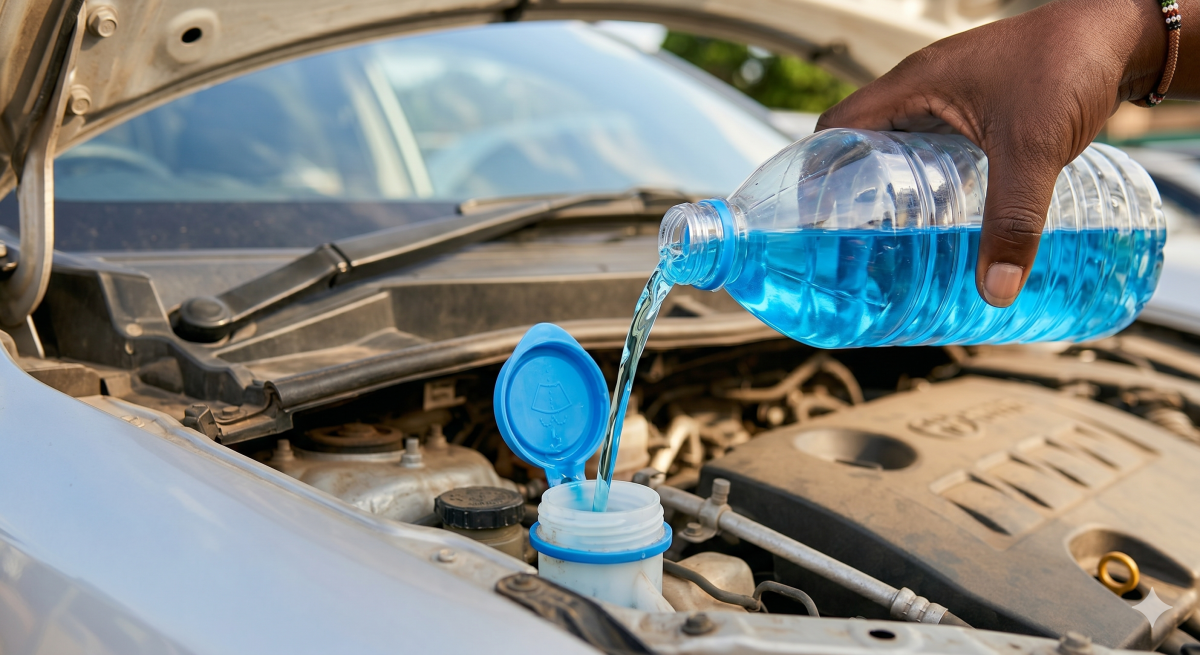
Finally, drivers must keep the windscreen washer reservoir topped up. Although it does not affect mechanical performance, running out of washer fluid during a muddy downpour creates an immediate safety hazard.
Spending five minutes every week to inspect these fluids keeps the vehicle reliable.