Advertisement
Car maintenance hacks that save drivers thousands every year
03rd June, 2026 03:27 PM
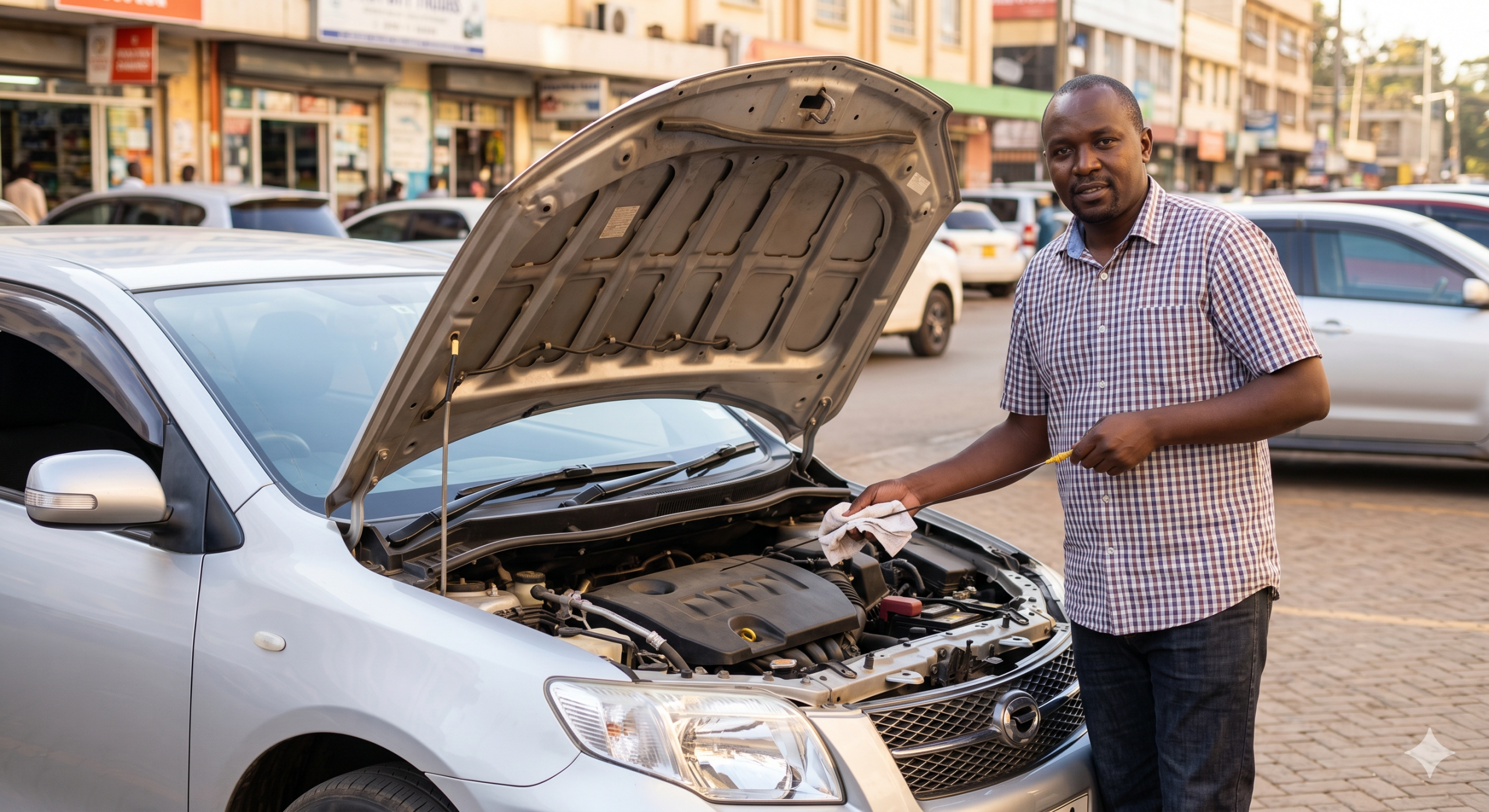
Every Kenyan driver knows the dread: the fundi lifts the bonnet, disappears for twenty minutes, then comes back with a face that costs Ksh30,000.
But most of those bills are avoidable and can be flagged before they become major issues that stall your car on the highway.
The difference between a car that bleeds money and one that runs clean for years is a handful of consistent habits that most drivers never bother to build.
Here is what the ones saving thousands every year are actually doing.
The weekly checks that cost nothing
Before you get to the workshop, there is a short list of things you can do in your parking spot.
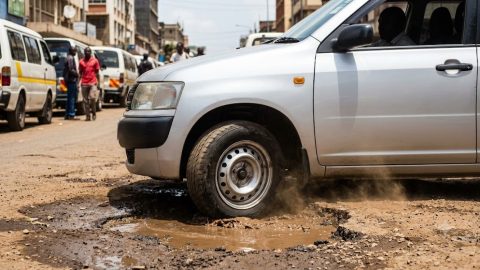
Check your tyre pressure at least once a week. Under-inflated tyres wear unevenly, reduce fuel economy, and increase the risk of a blowout on the road, none of which is cheap.
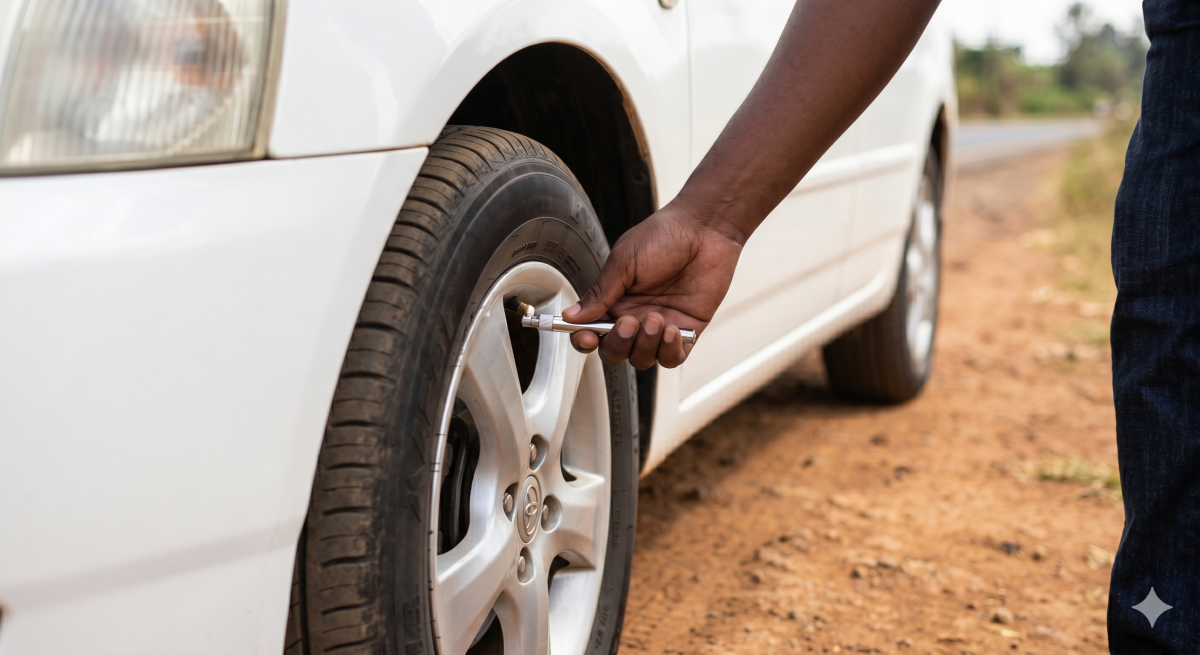
While you are there, press your palm lightly on each tyre after a drive: if one is noticeably hotter than the others, something is wrong.
Pop the bonnet and look at your engine oil level and colour. Fresh oil is amber; oil that looks black and smells burnt needs changing.
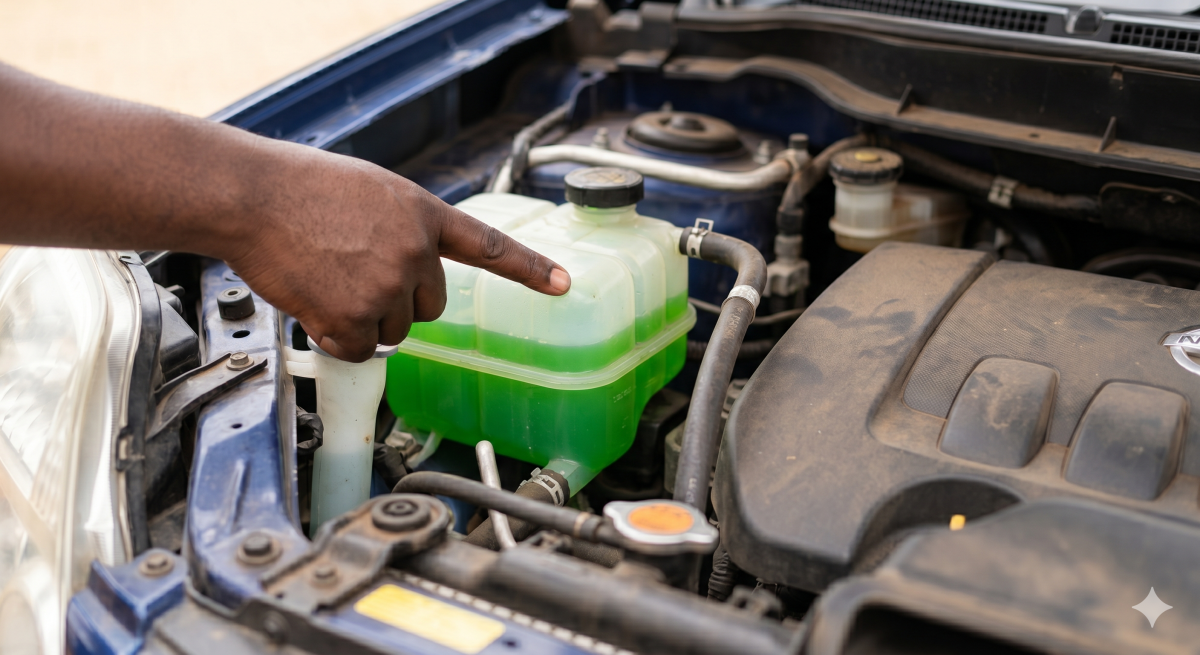
Do the same for your coolant reservoir – low coolant is one of the most common causes of engine overheating, and engine overheating is one of the fastest ways to turn a Ksh5,000 service into a Ksh150,000 engine rebuild.
Listen to your car. A grinding sound when you brake means your brake pads are worn. A squealing sound on startup, especially in cold weather, usually points to a loose alternator belt.
A knocking from under the car on rough roads often means a worn-out shock absorber. None of these sounds disappear on their own; on the contrary, they get louder and more expensive.
How to tell if your mechanic is trustworthy
Finding a good fundi in Nairobi is one of the most valuable things a car owner can do. Before you hand over the keys, ask these questions.
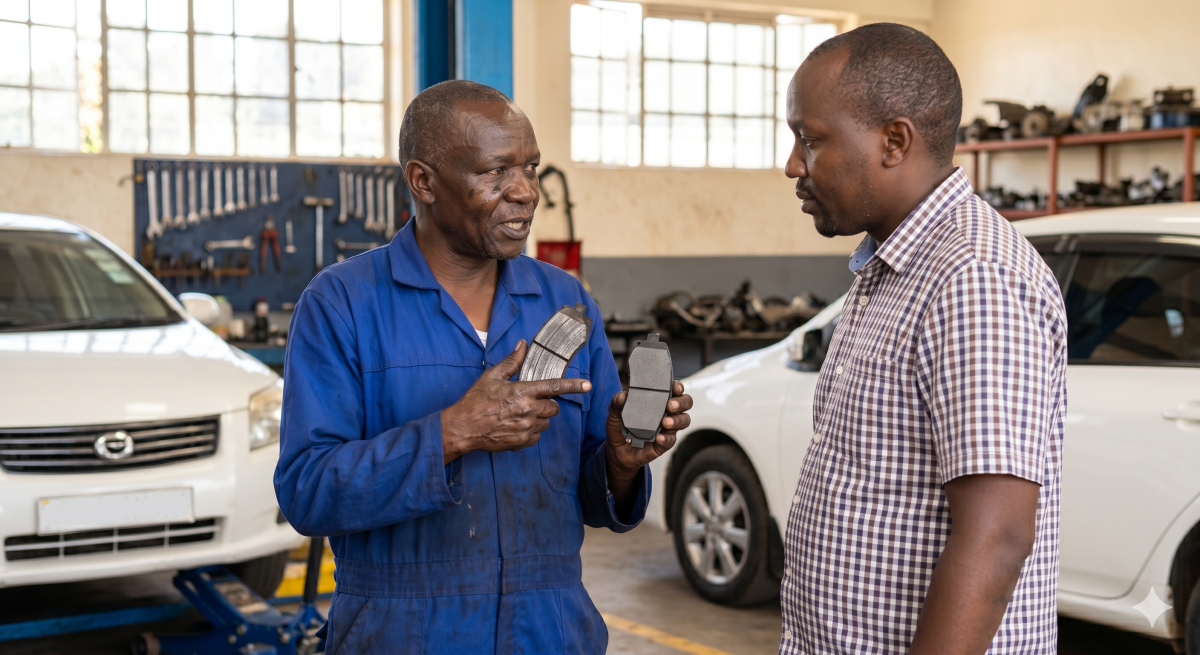
Ask them to show you the worn part before they replace it. A trustworthy mechanic will pull out the old brake pad or the cracked belt and give it to you. One who cannot produce the old part when you ask for it is a red flag.
Ask for a written estimate before any work begins. It does not need to be formal. A WhatsApp message listing the parts and labour costs is enough.
If a mechanic refuses to give you a figure in advance, walk away.
Ask what brand of parts they use and where they buy them. Genuine or high-quality aftermarket parts from a known supplier or a reputable spares shop cost more upfront but last significantly longer than the counterfeit alternatives that flood some roadside stalls.
A survey published in Applied Sciences (MDPI, 2025) found that consistent preventive maintenance strategies “extend asset lifespan and reduce unplanned downtime” while “lowering costs associated with spare parts inventory and labour”, precisely the outcome drivers achieve when they stop waiting for something to break before acting.
The single most expensive mistake Kenyan drivers make is treating the car as something to fix rather than something to maintain. A Ksh800 oil change done on schedule will always beat a Ksh40,000 engine flush done in a panic.