Advertisement
How a car’s suspension system works to protect your spine
22nd July, 2026 09:07 PM
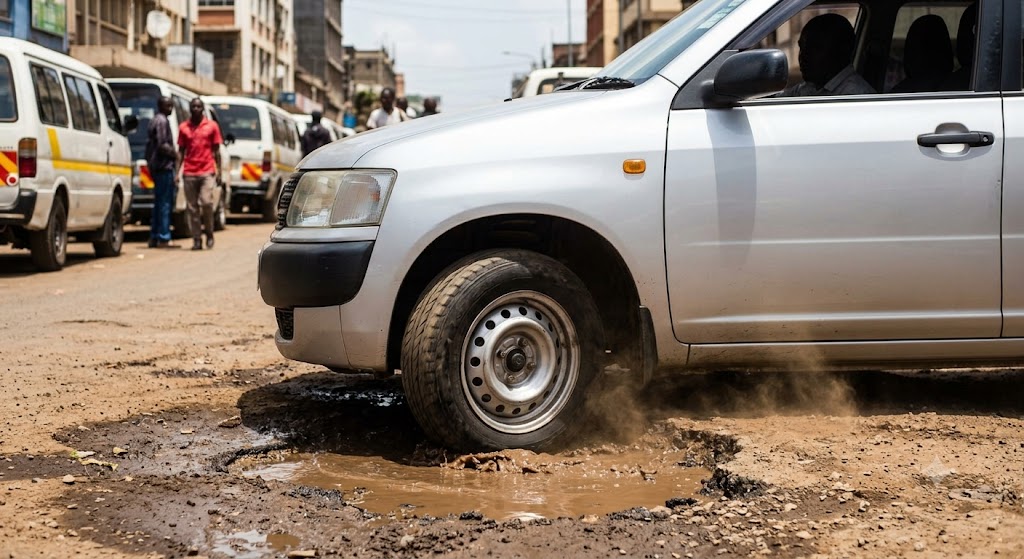
Every daily drive across Nairobi tests a car’s undercarriage against deep potholes, broken tarmac edges, and steep speed bumps. What keeps a ride comfortable and safe is the suspension system working continuously beneath the chassis.
Four primary parts work in unison to protect the car frame, maintain control, and keep passenger seats stable.
Coil springs carry the entire weight of the car and compress to absorb initial impacts when hitting a dip in the road. However, steel springs naturally continue bouncing after taking a hit.
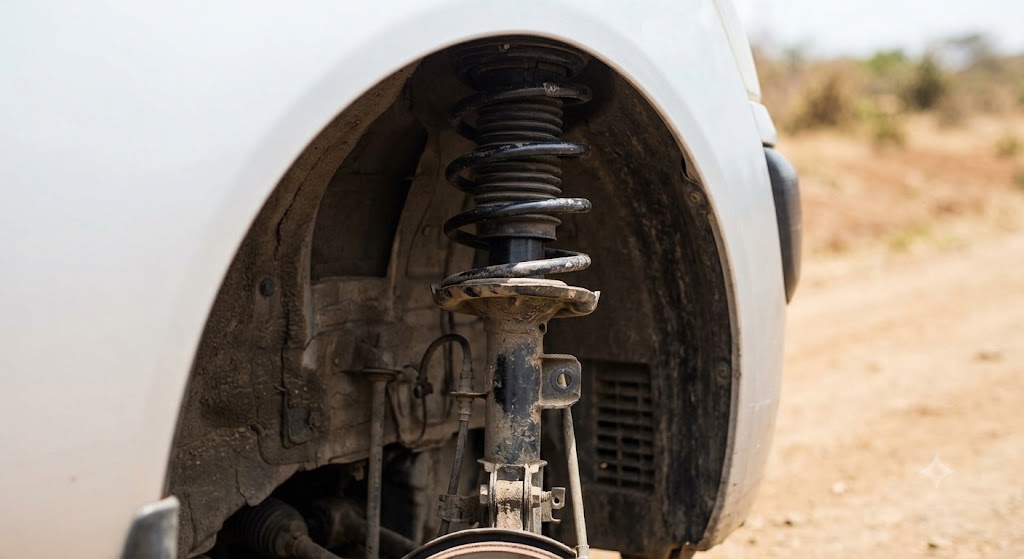
Shock absorbers step in to tame this motion. They push hydraulic fluid through internal valves to stop continuous rocking, ensuring the tyres stay planted firmly on the road surface for reliable braking and steering control.
Wishbones and control arms hold each wheel assembly in position, managing movement so wheels travel strictly up and down without twisting sideways. Small rubber bushes at these pivot points cushion minor road vibrations before they reach the cabin.
Peer-reviewed research published in PLOS ONE notes that “suspension systems transfer the force and torque between a vehicle body and the wheels and are used to reduce the impact load from the road surface to the frame”.
Spotting mechanical warning signs early
Many drivers rely on feel and instinct to check vehicle health, but failing suspension components send physical signals long before complete failure occurs.
A car that continues bouncing two or three times after clearing a speed bump indicates that the internal fluid inside the shock absorbers has degraded. Metallic clunking sounds point to cracked rubber bushes or worn ball joints, allowing metal parts to strike each other under load.
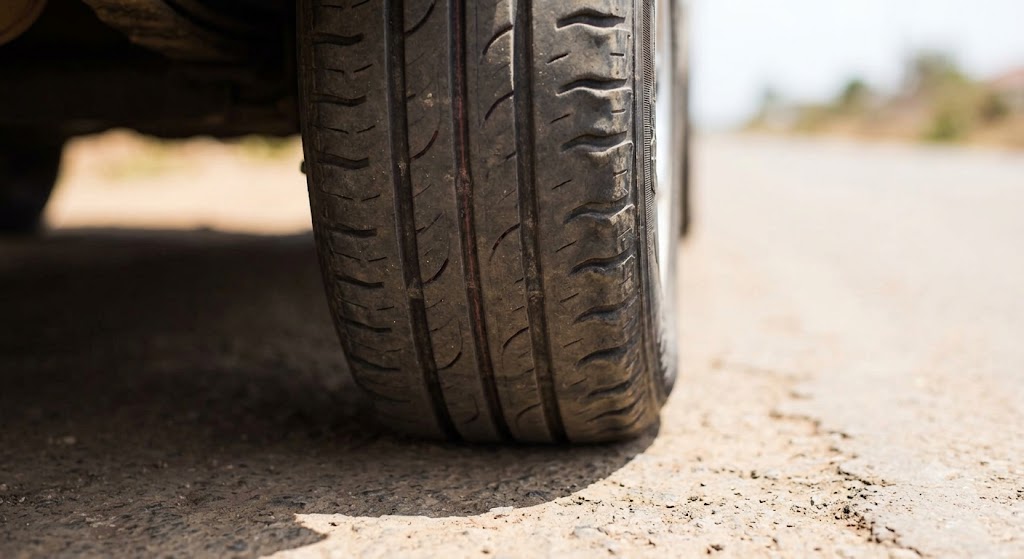
When a vehicle strays to one side on smooth tarmac or shows heavy wear on tyre edges, a bent wishbone has altered the wheel alignment. A car sitting visibly lower on one corner indicates a fatigued or broken coil spring.
Replacing worn shock absorbers typically costs between Ksh12,000 and Ksh25,000 per pair depending on the car model.
Delaying repairs quickly ruins tyres while putting additional strain on steering linkages.