Advertisement
Why fuel cars still beat electric cars in Kenya despite high fuel prices
15th May, 2026 10:06 AM
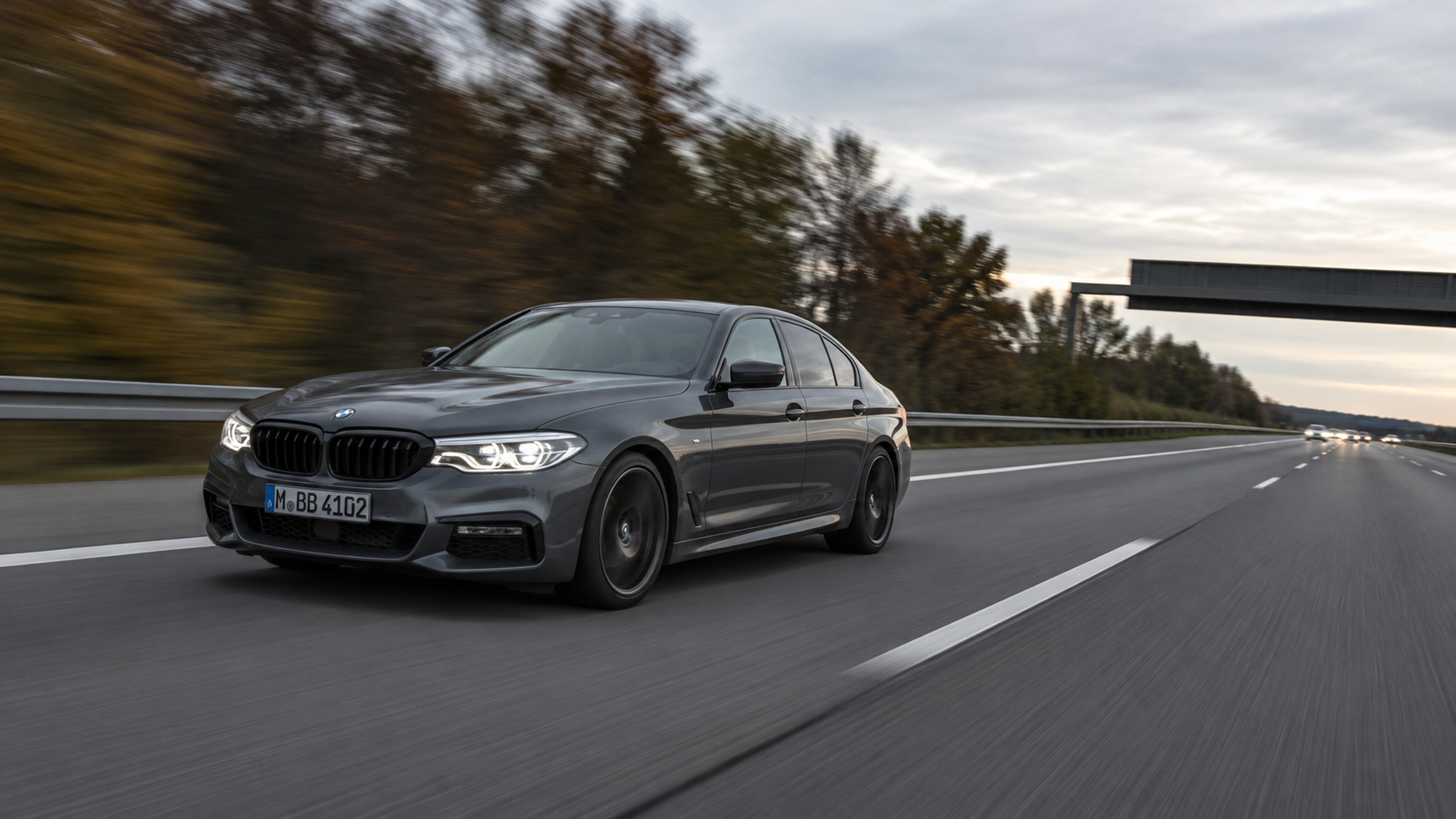
Electric mobility is gaining attention globally, but in Kenya, petrol and diesel vehicles still dominate the roads.
This remains the case even at a time when fuel prices are high, as it is the situation currently (May 14 to June 14, 2026), when a litre of diesel is retailing at Ksh242.
The reasons are practical, structural, and deeply tied to infrastructure, cost, and convenience.
Fuel availability
One of the strongest advantages of fuel-powered vehicles in Kenya is accessibility. Petrol stations are widely distributed across towns, highways, and urban centres.
In many areas, drivers cannot travel more than a few kilometres without encountering a filling station.
This widespread availability makes refuelling simple and predictable. A driver can travel long distances across the country with confidence that fuel will be available almost anywhere along the route.
Electric vehicles, on the other hand, require charging infrastructure that is still limited in most parts of the country.
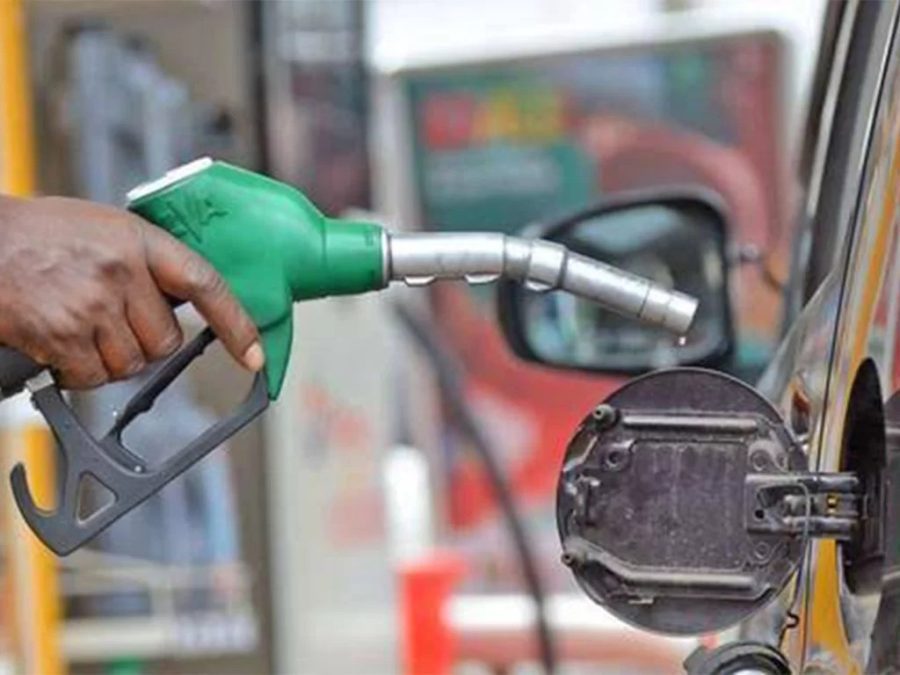
Charging stations exist mainly in select urban locations, leaving long distance travel more complicated.
Convenience
Kenya’s geography and transport patterns favour fuel vehicles. Long-distance travel between countries is common for work, trade, and family visits.
Petrol and diesel cars allow quick refuelling stops that take only a few minutes.
Electric vehicles require longer charging periods, especially when using standard chargers.
Even fast charging still takes significantly more time than filling a tank with fuel.
For many drivers, especially commercial operators and long-distance bus services, time efficiency remains critical.
Upfront cost of electric vehicles
Electric vehicles generally have a higher purchase price compared to equivalent petrol or diesel cars.
Even though they may reduce fuel expenses in the long run, the initial cost remains a barrier for many Kenyans.
Most second-hand imports, which dominate the Kenyan market, are still fuel-powered vehicles.
This makes petrol and diesel cars more accessible to a larger population.

Maintenance differences and concerns
Electric vehicles are often marketed as having lower maintenance costs due to fewer moving parts. However, in Kenya, concerns remain about:
- Battery replacement costs, which can be very high
- Availability of skilled technicians for EV systems
- Limited spare parts supply chains
- Uncertainty about long-term battery life under local driving conditions
Fuel cars, despite requiring regular servicing such as oil changes and engine maintenance, have a well-established support network across the country. Mechanics are available in almost every town, making repairs easier and more affordable.
Fuel network vs electricity infrastructure
Kenya’s fuel distribution system is mature and deeply integrated into daily life.
Petrol stations are strategically located in urban centres, highways, and rural towns.
Electric vehicle infrastructure is still developing. Charging points are not yet evenly distributed, and home charging is not always possible, especially in rental apartments or areas with unreliable electricity supply.
This imbalance makes fuel vehicles more practical for the average driver.
Reliability in different conditions
Fuel vehicles offer predictable performance regardless of location or weather conditions.
Drivers can refuel at any time and continue their journey immediately.
Electric vehicles depend heavily on battery charge levels and access to electricity.
Power interruptions or long distances without charging stations can limit flexibility, especially outside major cities.
The Kenyan reality of transport needs
In Kenya, vehicles are not only personal transport tools but also business assets.
Matatus, taxis, delivery vans, and lorries operate under tight schedules and high usage demands.
Fuel vehicles currently offer the reliability, refuelling speed, and network support needed for these commercial operations.
Until electric infrastructure expands significantly, fuel-powered vehicles remain the more practical choice for most operators.