Advertisement
How a dirty air filter steals your petrol and how to fix it in 5 minutes
15th August, 2026 01:36 PM
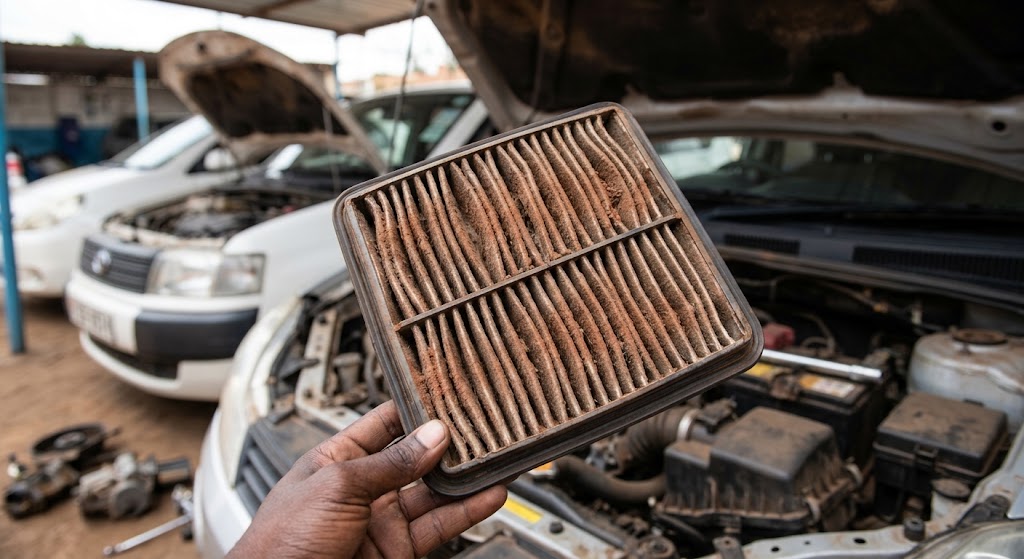
Every day, cars driving on Kenyan roads pull in dust, grit, and road dirt straight into their engine air intakes. The air filter sits right at the front line, trapping these particles before they reach delicate internal engine parts.
Over time, that accumulated dirt clogs up the filter pleats, cutting down the speed and volume of air entering the engine.
An engine needs a steady flow of oxygen to burn petrol cleanly and efficiently. When dirt restricts airflow, oxygen levels inside the cylinders drop.
To keep up with normal driving speeds, climbing steep hills, or overtaking, drivers end up stepping harder on the accelerator pedal. The engine computer compensates by pumping more fuel into the cylinders, leading to inefficient combustion.
How clogged filters waste your money
This air starvation forces the engine to burn up to 10 percent more petrol per kilometre. Over a month of commuting through town or rough rural bypasses, that extra fuel consumption quietly adds thousands of shillings to monthly driving expenses.

Researchers studying engine intake systems have documented how these physical blockages hurt vehicle performance.
In a 2019 study published in MATEC Web of Conferences, researchers noted that “the air filters, together with the intake system, introduce pressure resistances which, at high values, cause a decrease in engine power”
As available power drops, fuel usage spikes to make up the difference.
The quick monthly fix every driver can do
Restoring proper airflow does not require an expensive garage visit or complicated tools. Unclip the filter box under the bonnet to reveal the paper filter inside.
Removing the element and tapping it gently against a tyre or hard surface knocks out loose dust and grit trapped inside the pleats.
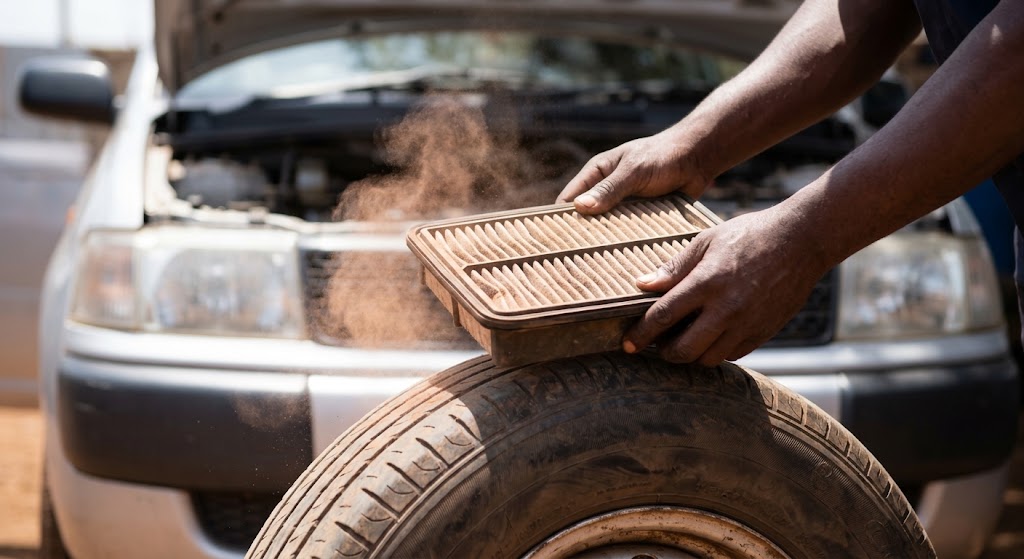
Putting the cleaned filter back in place immediately reopens the airway, allowing the engine to pull in fresh air easily. While tapping out dust keeps fuel consumption low between service intervals, drivers should replace the filter every 10,000 kilometres.
A basic replacement costs around Ksh1,500, an expense that quickly pays for itself in fuel savings.