Advertisement
Mistakes some motorists make after fuel price hikes
15th April, 2026 03:07 PM
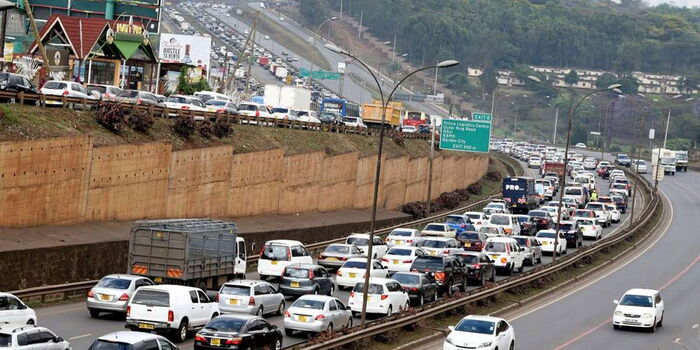
On the 14th day of every month, many motorists in Kenya walk with fingers crossed courtesy of the Energy and Petroleum Regulatory Authority (EPRA).
That is the day new fuel prices are announced, and they can either go up or down.
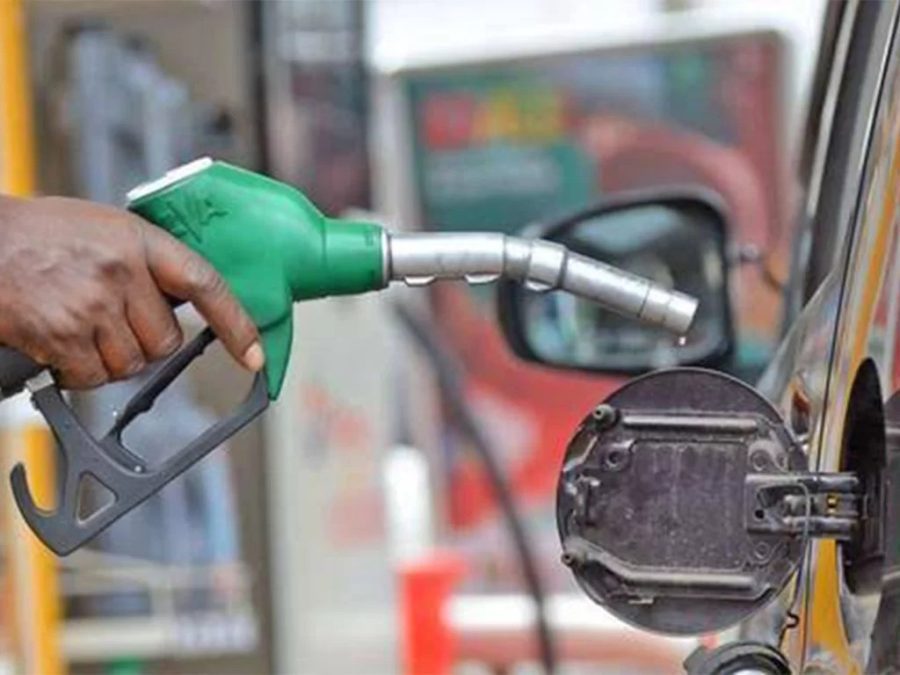
In the latest review effective Tuesday, April 14, 2026, pump prices in Nairobi jumped sharply to Ksh206.97 for petrol, Ksh206.84 for diesel, while kerosene remained at Ksh152.78 per litre.
Whenever prices rise, panic decisions follow. Some drivers rush into habits they believe will save money, yet some of those habits do the opposite.
Others create new costs without realising it.
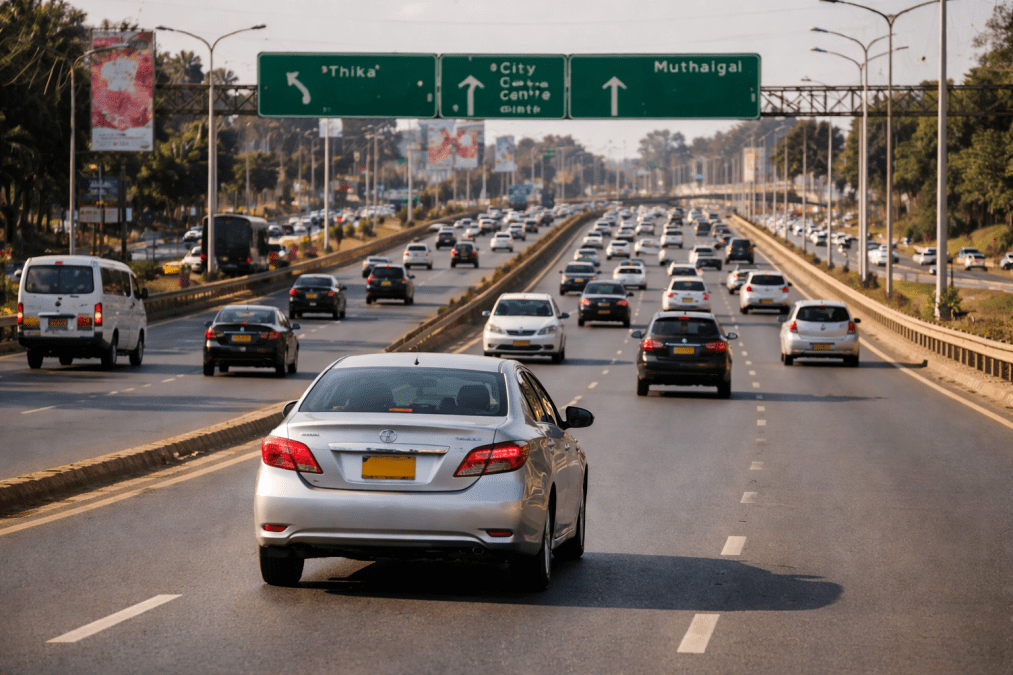
Driving too slowly everywhere
Many drivers assume that reducing speed at all times automatically saves fuel. The truth is more balanced
Smooth, steady driving usually helps, but crawling unnecessarily in the wrong gear, constant braking and poor traffic flow can waste fuel too.
The goal is not to drive painfully slow. It is maintaining a steady speed, avoiding harsh acceleration and planning ahead.
Turning the car into a taxi
Some motorists start inviting colleagues and charging them small amounts to recover fuel costs. It sounds smart, but there are trade-offs.
More passengers often mean extra weight. More stops, detours, waiting time and idling can also increase fuel use.
Wear and tear on tyres, brakes and suspension may rise too. What looked like profit can disappear quietly.
Panic fills every time
After a price hike announcement, long queues usually form as drivers rush to stations.
While topping up before a new price takes effect can make sense, panic buying often creates wasted time, traffic jams and impulse spending.
Some people even buy fuel they do not urgently need, tying up money that could have gone elsewhere.
Ignoring tyre pressure
This is one of the most common mistakes. Drivers complain about fuel prices yet continue using underinflated tyres.
Low tyre pressure increases rolling resistance, meaning the engine works harder.
A simple tyre check can matter more than many desperate “fuel saving tricks”.
Carrying unnecessary weight
Many boots are full of tools, old items, broken parts or luggage that stays there for weeks.
The heavier the vehicle, the more energy it needs to move. Removing useless load is one of the easiest ways to improve efficiency.
Idling for too long
Some drivers leave engines running while parked, waiting for someone or sitting outside shops.
That fuel burns while the car goes nowhere. Short unnecessary idling periods repeated daily can add up over a month.
Skipping servicing
When fuel becomes expensive, some motorists delay servicing to save money.
Yet dirty air filters, worn spark plugs, poor wheel alignment or neglected oil changes can reduce efficiency.
Sometimes maintenance saves more than it costs.
Taking many short trips
A cold engine is less efficient than a warmed-up one. Several short trips done separately can use more fuel than combining errands into one planned journey.
When fuel prices rise, pressure rises too. But the best response is not panic.
It is smarter habits: maintain your car, reduce waste, plan trips, drive smoothly and question popular myths.
Sometimes the biggest fuel losses do not come from EPRA’s announcement. They come from how motorists react to it.