Advertisement
What adulterated fuel actually does to your car
21st May, 2026 12:46 PM
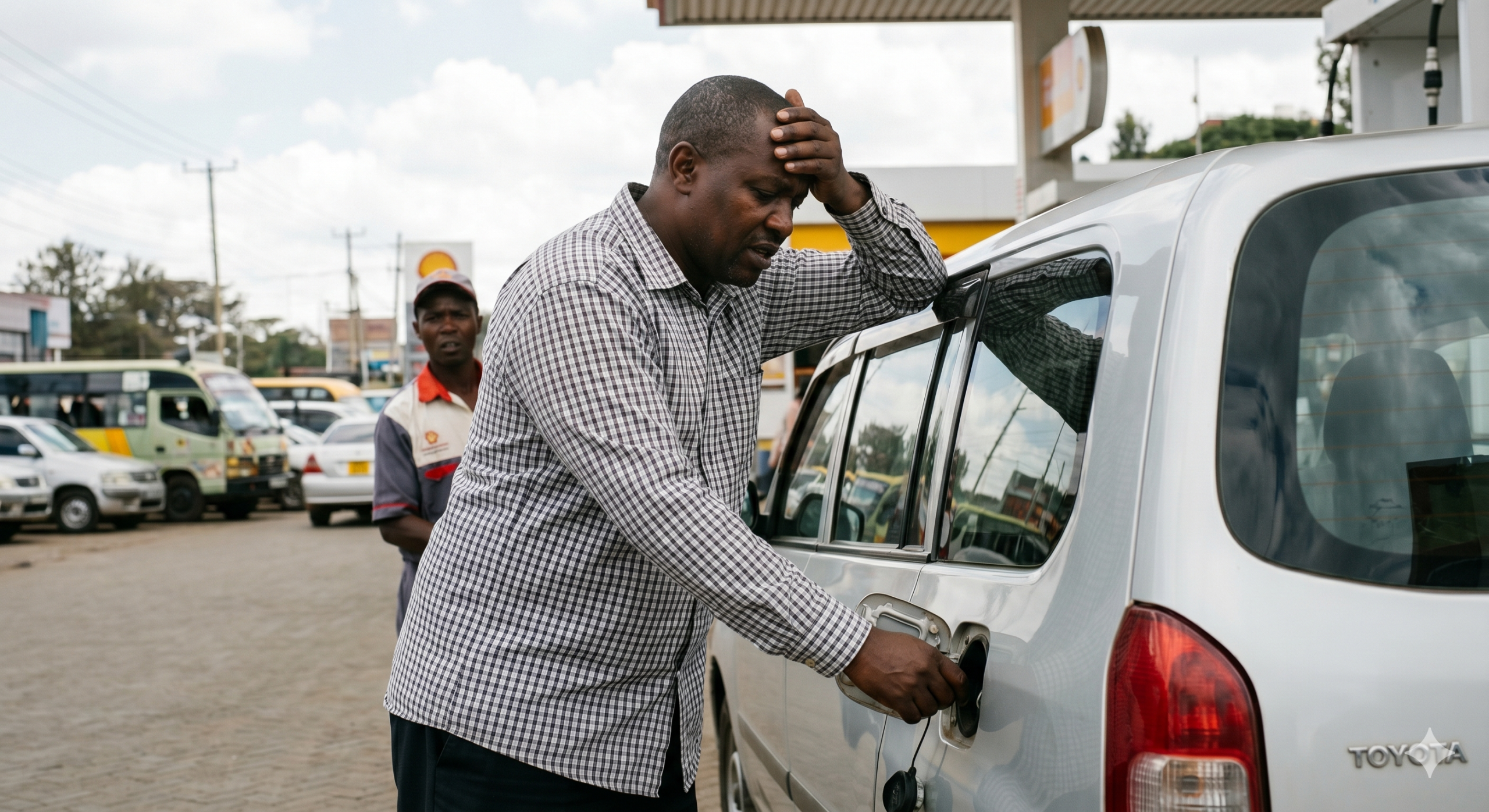
With fuel prices climbing, it is not unheard of for some unscrupulous retailers to thin out their product.
Fuel adulteration means mixing cheaper substances into petrol or diesel to stretch supply and widen profit margins.
Common adulterants include kerosene, water, used oil, and, in some cases, industrial solvents.
Most drivers will never see it coming. The fuel goes into the tank, the engine starts, and the damage begins quietly. Eventually, you are replacing a whole engine.
What happens inside your engine
When adulterated fuel enters your engine, the combustion process is immediately compromised.
Kerosene is the most common adulterant used in this region, and it carries a lower octane rating than standard petrol.
A review published in the journal Fuel found that when petrol is diluted with kerosene, “the octane quality falls below the octane requirement of the engines and engine knocking occurs” – that rhythmic pinging you sometimes hear on acceleration.

Prolonged knocking stresses pistons and connecting rods and, left unchecked, leads to expensive damage.
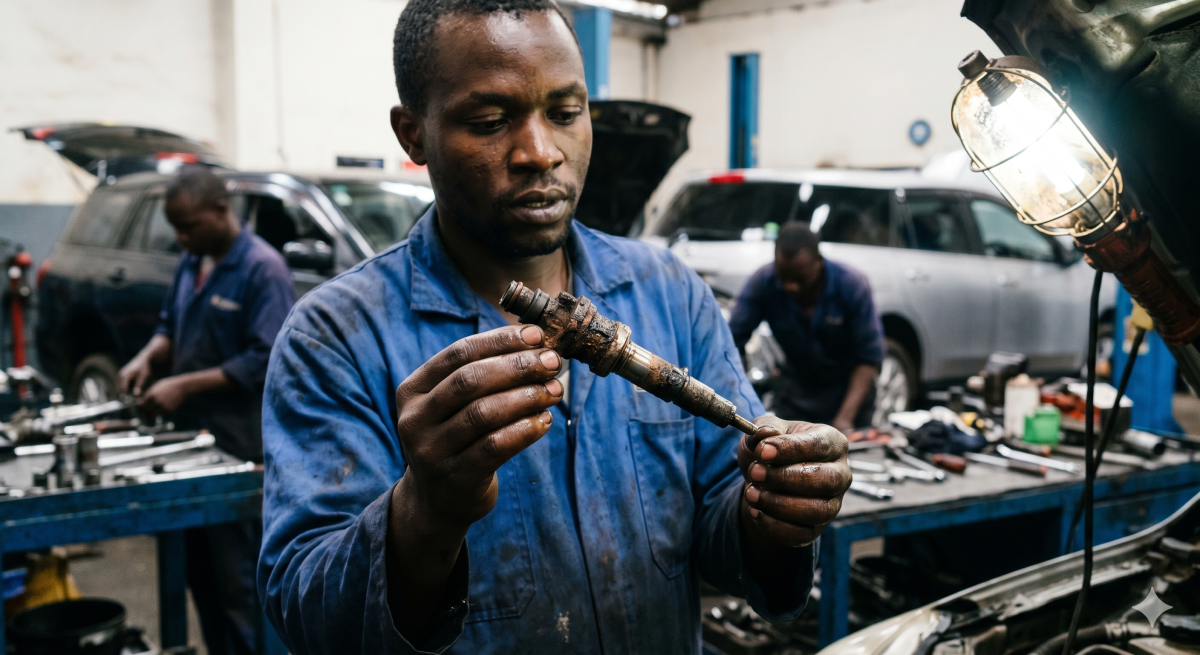
Beyond knocking, adulterated fuel burns less cleanly. Carbon deposits build up on fuel injectors, intake valves, and combustion chamber walls. Over time, this reduces fuel efficiency, affects idle quality, and triggers warning lights on your dashboard.
Damage goes deeper than the engine
Here is what most drivers do not know: adulterated fuel not only harms the engine itself.
Research published in ACS Omega (2022), a peer-reviewed journal of the American Chemical Society, found that “studies of the effects of fuel adulteration focus on problems that occur in the fuel system and pollutants, but little attention is paid to lubricants.”
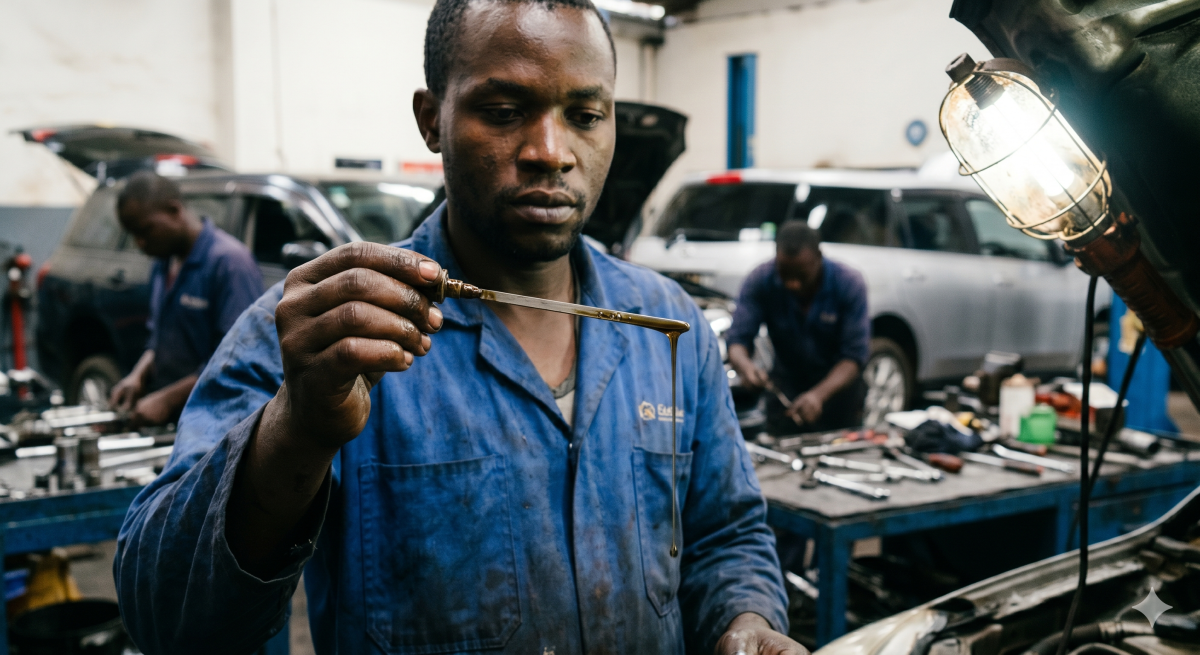
The paper goes on to document how compromised fuel accelerates the breakdown of engine oil. When oil degrades faster than expected, internal engine components lose their protective coating, raising the risk of overheating and premature wear.
The fuel pump, fuel filter, and injectors are also in the firing line. Adulterants corrode seals, clog filters ahead of schedule, and can cut the working life of injectors significantly.
How to protect yourself
The simplest safeguard is buying fuel from reputable, high-traffic stations.
A busy station turns over its stock frequently, leaving less room for tampering.
If your car suddenly feels sluggish, knocks on acceleration, or returns noticeably lower mileage than usual, have the fuel system checked.
If you suspect bad fuel, act quickly: draining the tank early is far cheaper than replacing an injector set or rebuilding an engine.
Kenya’s Energy and Petroleum Regulatory Authority (EPRA) is the body responsible for fuel quality standards in the country.
If you encounter a station you suspect of selling substandard fuel, you can report it directly through their official channels.