Advertisement
How petrol and diesel engines work
15th May, 2026 11:32 AM
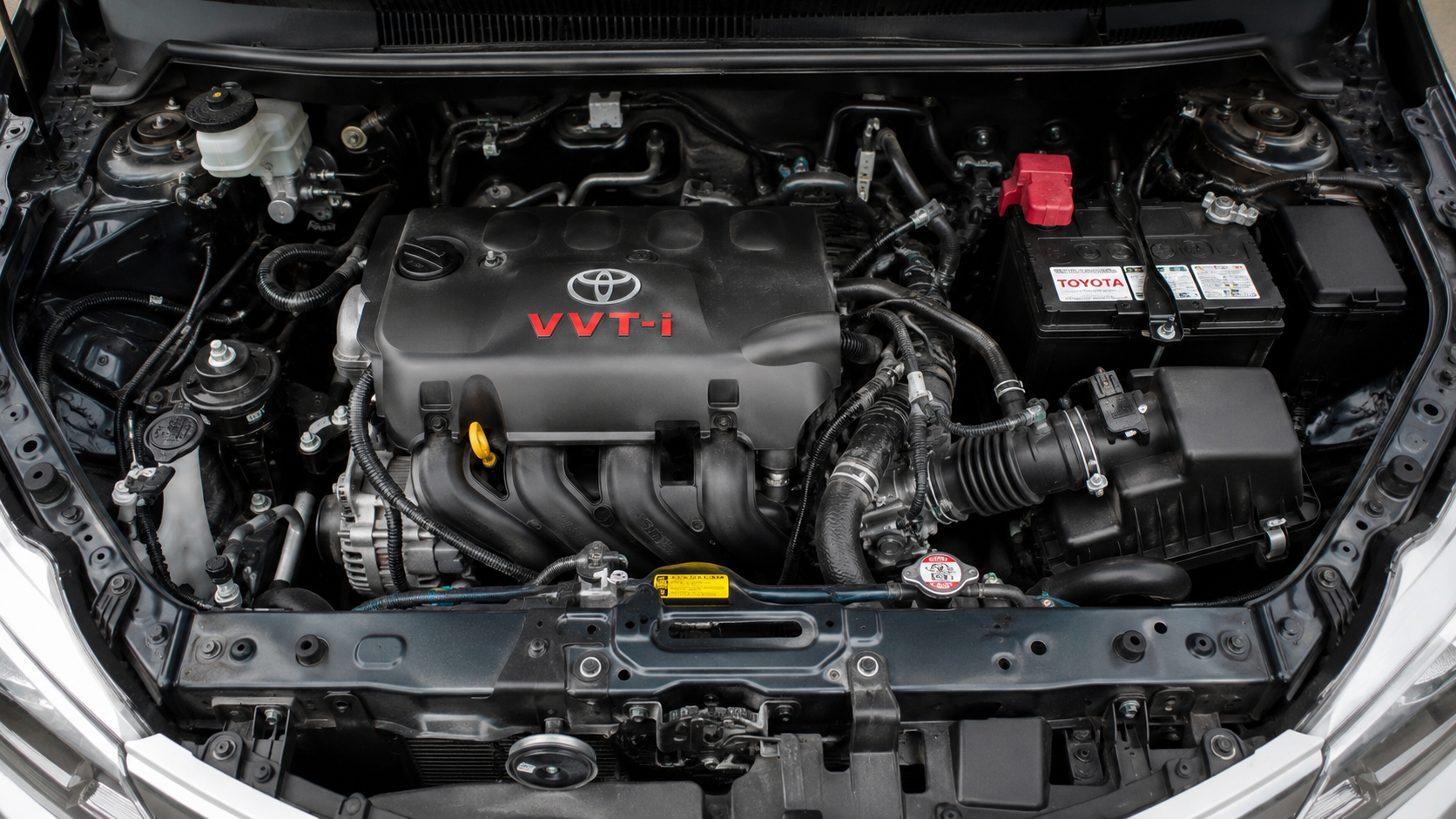
A parked car can look lifeless. Quiet. Cold. Just metal resting on tyres.
But beneath the bonnet sits an entire mechanical world waiting for one simple command from the driver’s hand or finger.
The moment the key turns or the start button is pressed, electricity wakes up first.
The battery sends power rushing through wires like signals travelling through nerves in the human body.
Dashboard lights blink awake. Tiny pumps begin preparing fuel for movement. It is almost like a sleeping giant opening its eyes.
Inside the engine, fuel and air are preparing to meet for a carefully controlled explosion powerful enough to move hundreds or even thousands of kilograms of metal down the road.
Fuel enters the engine
An engine cannot move without fuel, just like the human body cannot function without food.
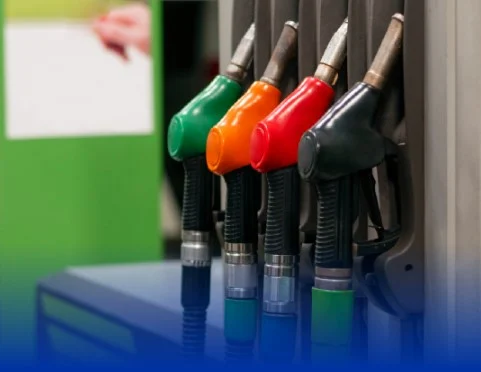
Petrol or diesel travels from the fuel tank through pipes toward the engine.
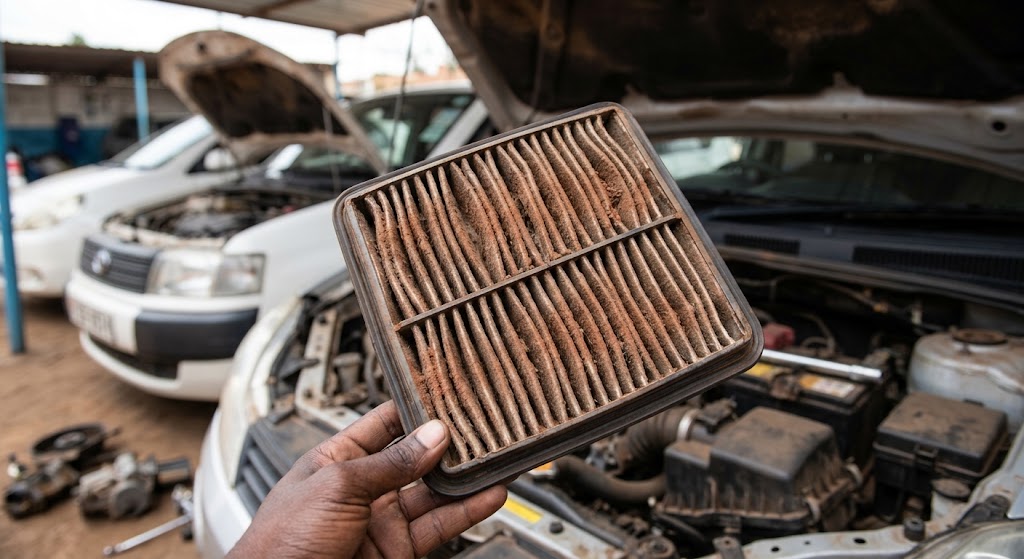
Along the way, filters remove dirt and unwanted particles because even tiny contamination can affect performance.
At the same time, air enters through the air intake system.
Inside the engine, the fuel mixes with oxygen. This mixture is important because fuel alone cannot burn properly without air.
Think of it like charcoal needing oxygen before producing fire.
Modern vehicles carefully control how much fuel and air enters the engine.
Too much fuel wastes energy. Too little causes weakness and poor performance.
The engine’s computer constantly calculates the right balance every second.
Tiny explosions begin pushing the car forward
This is the part many people never see.
Inside the engine are metal chambers called cylinders. Within them are pistons moving up and down repeatedly at incredible speed.
In petrol engines, spark plugs create tiny sparks that ignite the fuel and air mixture.
The explosion forces the piston downward with enormous power.
That downward movement is what eventually turns the wheels.
Diesel engines work slightly differently. Instead of spark plugs, they rely on extremely high pressure and heat.
The air inside becomes so hot that when diesel fuel enters, it ignites automatically.
That is why diesel engines often sound deeper and heavier compared to petrol engines.
But both systems depend on controlled explosions happening continuously.
Thousands of tiny explosions occur every minute while driving.
The driver rarely notices them because everything happens smoothly and quickly beneath the bonnet.
The crankshaft turns explosions into movement
The pistons alone cannot move the car.
Their up and down motion must be converted into rotating movement.
This is where the crankshaft comes in.
The crankshaft transforms the violent vertical force of exploding fuel into circular motion that eventually rotates the wheels.
It is similar to how bicycle pedals convert leg movement into wheel rotation.
As the engine speeds up, the crankshaft spins faster. The gearbox then helps control how that power reaches the tyres depending on road conditions and speed.
This entire process happens repeatedly every second while driving.
Meanwhile, oil moves around the engine continuously to reduce friction and prevent metal parts from grinding against each other.
Without oil, the engine would overheat and destroy itself very quickly.
The engine breathes in and breathes out
Engines also need to release waste after combustion.
After fuel burns, exhaust gases are pushed out through the exhaust system.
That is why vehicles produce smoke or fumes from the tailpipe.
The exhaust system helps reduce noise, control pollution, and direct dangerous gases away from passengers.
In many ways, an engine behaves almost like a living organism.
It breathes air in, burns energy, creates movement, releases waste, and produces heat.
The journey finally comes to an end
Eventually, every journey reaches its destination.
The driver removes pressure from the accelerator. Fuel supply reduces. The explosions inside the cylinders slow down.
The once roaring engine begins calming itself.
If fuel runs out completely, the engine slowly starves. Combustion weakens, power fades, and eventually the car stops because there is no more energy left to continue the chain of explosions.
When the ignition is switched off, electricity disappears, fuel flow stops, and silence returns beneath the bonnet.
The giant goes back to sleep.
But the next time the key turns, the hidden orchestra of fuel, air, sparks, pressure, heat, pistons, and motion will begin all over again within seconds.
And most passengers will never realize how much drama is happening beneath their feet every single journey.