Advertisement
What you need to know before boarding SGR train for the first time
22nd July, 2026 07:24 PM

Booking a ticket on the Standard Gauge Railway (SGR) Madaraka Express is fast and simple through the online portal or USSD, but stepping into the terminal for the first time comes with a few unexpected realities.
Promotional campaigns highlight the quiet 120 km/h ride through the countryside, yet the actual journey requires preparation.
Station security rules and onboard seating realities
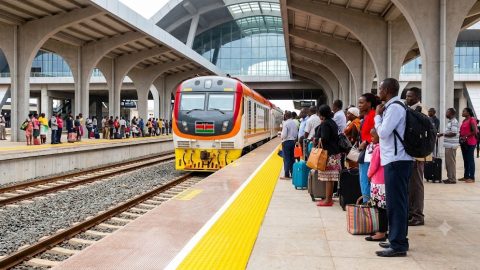
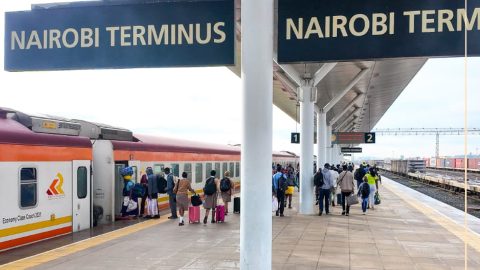
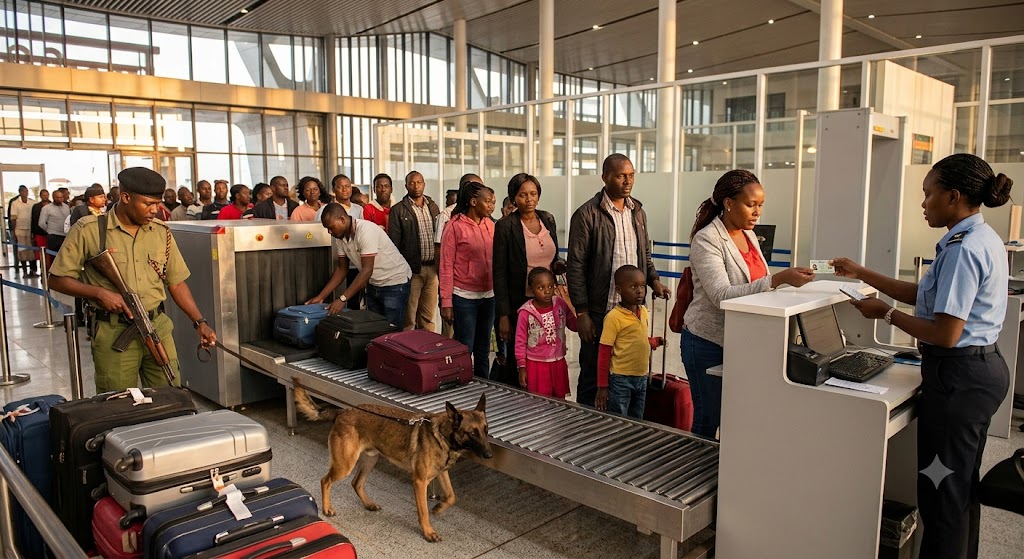
Arriving at the terminal feels more like checking into an airport than taking a standard bus. Passengers must reach the Nairobi Terminus in Syokimau or the Mombasa Terminus in Miritini at least one hour before departure.
Security screening involves trained sniffer dogs, luggage X-ray machines, and strict identity checks requiring an original National ID or Passport. Gates to the platform close 10 minutes before departure time, and late arrivals are strictly turned away.
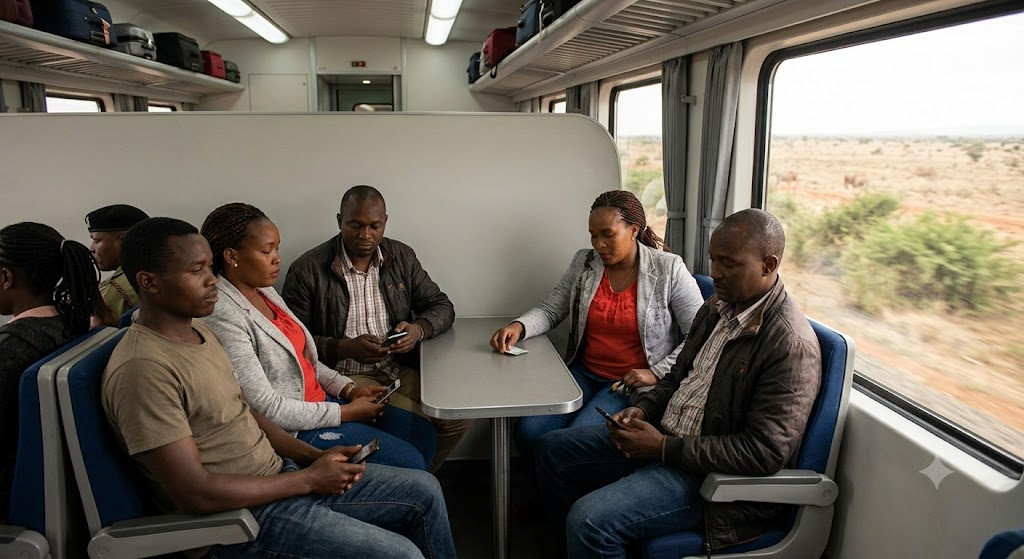
Inside the train, seating setups in Economy Class often surprise new travellers. Coaches feature a 3-and-2 arrangement where seats face each other across fixed tables.
Sitting face-to-face with strangers for five hours can feel cramped when the train is full, making personal space limited. First Class provides a roomier 2-and-2 layout with adjustable seats, tray tables, and charging sockets.
A peer-reviewed study in Research in World Economy notes that “the railway has generally enhanced transport operations for passengers and freight through reduced travelling time, improved transport safety and security, and improved mobility and accessibility.”
Network blind spots and city transfer logistics
Mobile network coverage is another detail that catches passengers off guard. As the train travels through the vast Tsavo wilderness, cellular signals drop completely for long stretches.
Anyone needing to work online or stream music should download files to their devices before boarding.
Snacks and soft drinks are sold from rolling trolleys inside the coaches, though carrying packed food is allowed. However, alcohol is strictly forbidden on the train.
Reaching the destination station does not mean arriving in the city centre. Syokimau and Miritini sit several kilometres away from the main business districts.
From Miritini, taking a taxi or matatu into Mombasa CBD takes up to an hour depending on traffic.
At Syokimau, passengers can board the commuter link train into Nairobi CBD for Ksh100, a service established after the SGR officially launched on May 31, 2017.
Knowing these final transfer options ensures a smooth trip from start to finish.