Advertisement
How the SGR’s train braking system works
27th August, 2026 01:30 PM
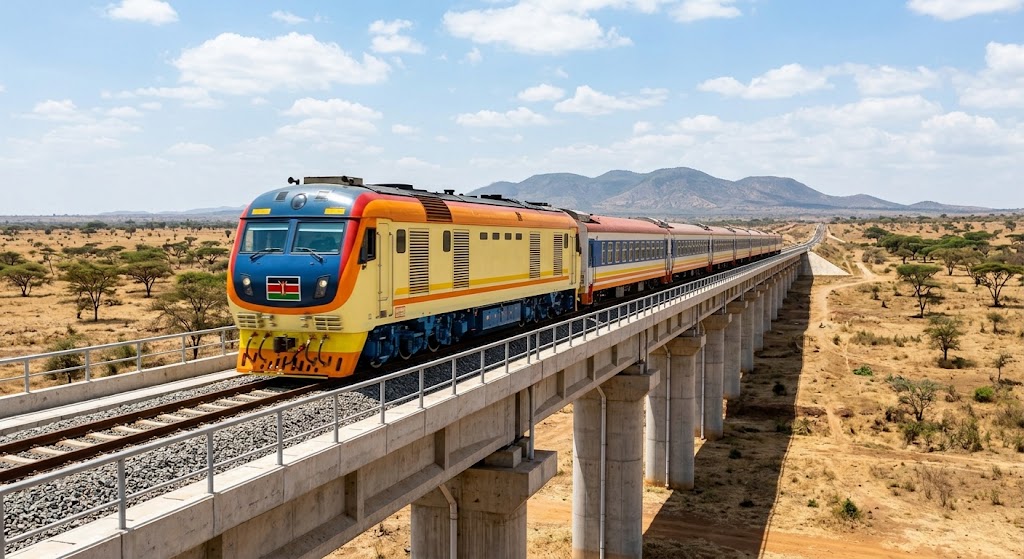
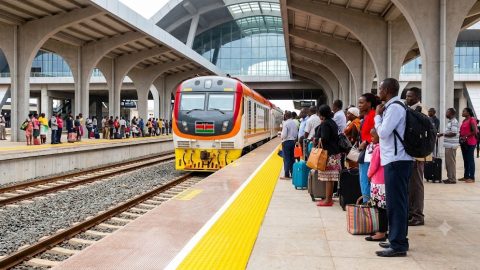
When the Madaraka Express glides across the countryside between Nairobi and Mombasa at 120 km/h, few passengers give much thought to what happens when it needs to stop.
Halting a fully loaded passenger train weighing over 800 tonnes is a massive engineering task.
Unlike a personal car that relies solely on foot pedals pushing brake pads against tyres, Kenya’s Standard Gauge Railway (SGR) uses a clever two-part system to bring coaches to a smooth halt.
Turning motion into electricity
When the train driver initiates a stop at high speed, the locomotive does not immediately jam mechanical pads onto the wheels. Doing so would create extreme heat, wear down metal parts instantly, and cause a sudden jolt throughout the coaches.
Instead, the diesel-electric engine relies first on dynamic braking.
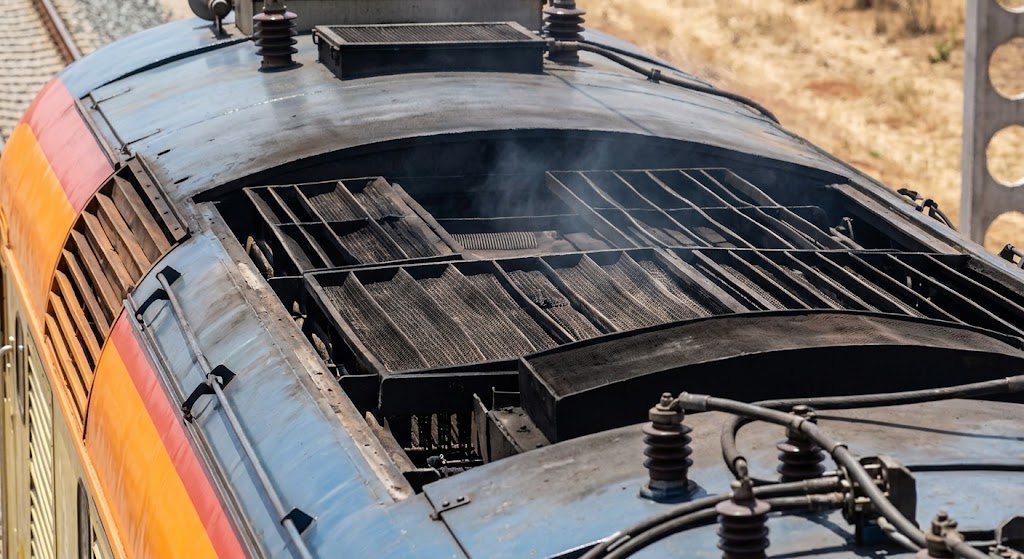
In simple terms, the locomotive turns its electric driving motors into power generators. As the train moves forward, the spinning wheels force the generators to turn, creating magnetic resistance that naturally slows the train down.
This process converts the physical movement of the train into electrical energy. The generated electricity travels to heavy resistor grids on the roof of the locomotive, where it burns off safely into the air as heat energy.
This electric technique handles most of the initial slowing force.
In a 2024 railway engineering study published by Taylor & Francis, researchers pointed out that “correct braking ensures steady deceleration and stopping, preventing derailments, and can also contribute to minimizing wear on the rail infrastructure.”
Air power finishes the job
Because dynamic braking loses strength as the train slows down, it cannot bring the train to a complete standstill on its own. This is where compressed air brakes step in.
Once the train drops to lower speeds, an electro-pneumatic system releases high-pressure air through pipes running beneath every carriage. This air pressure pushes heavy-duty brake pads tightly against steel discs on every axle from the front engine to the rear coach.
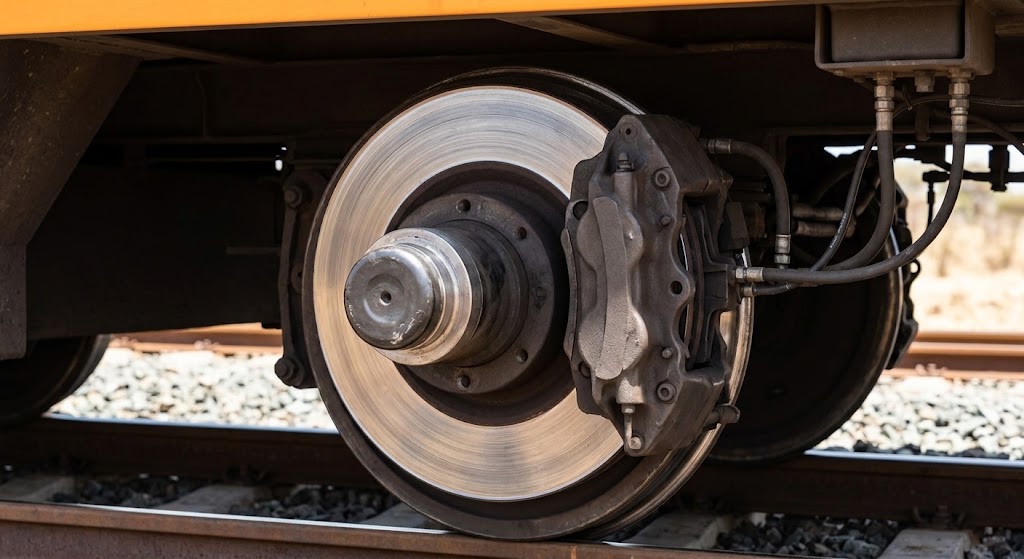
Crucially, electrical signals trigger these air valves simultaneously across all passenger cars. Without this instant synchronisation, the back carriages would push aggressively against the front ones, creating uncomfortable surges for passengers.
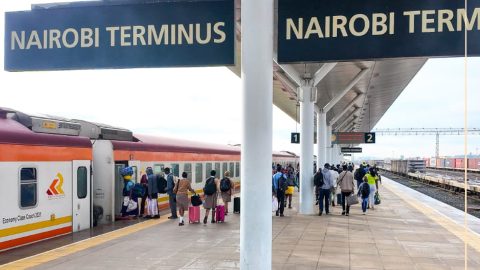
By pairing electric motor resistance with air pressure, the SGR achieves controlled stops at every station from Syokimau to Miritini.