Advertisement
What technicians check during NTSA vehicle inspection
30th June, 2026 10:32 AM
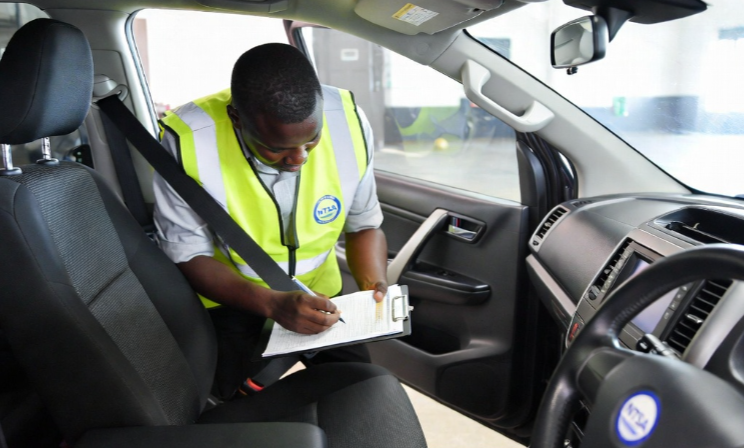
The National Transport and Safety Authority (NTSA) is set to roll out stricter annual inspection rules for privately owned vehicles older than four years from the date of manufacture, effective Wednesday, July 1, 2026.
The inspections will be conducted at designated NTSA centres and booked through the eCitizen platform and are aimed at improving road safety by ensuring vehicles meet minimum roadworthiness standards under the Traffic (Motor Vehicle Inspection) Rules, 2026.
Motorists will now undergo detailed checks covering mechanical, electrical and structural components before vehicles are cleared for use on Kenyan roads.
But what exactly do technicians look at during the process?
Identity verification first
Inspection begins with verification of vehicle identity details. Technicians cross-check the chassis number, engine number, registration plates and logbook information against NTSA records to confirm authenticity and flag any inconsistencies.
This step helps eliminate cases of fraud, duplication or stolen vehicles entering the inspection process.
Braking and tyre systems
A major focus of the inspection is the braking system. Technicians examine service and parking brakes, brake pads, discs, fluid levels and brake lines for leaks, wear or reduced efficiency.
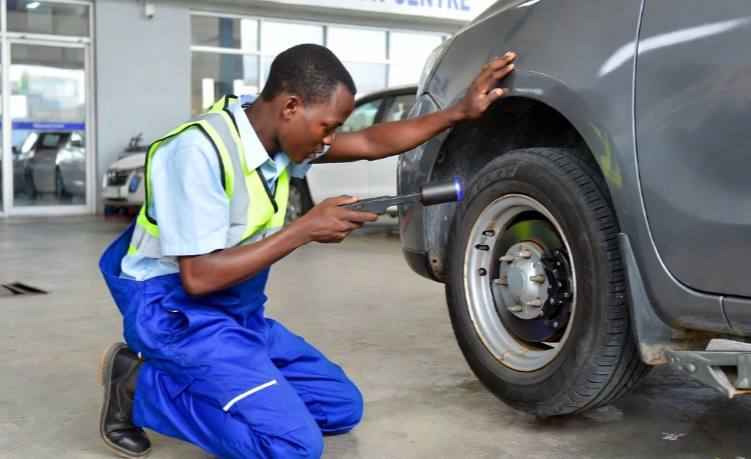
Tyres and wheels are also closely assessed. Inspectors check tread depth, uneven wear, cuts, bulges and inflation levels. Wheel rims, hubs, bearings and lug nuts are inspected for damage or looseness that could compromise safety.
Lights and steering systems
Lighting and electrical systems undergo full testing, including headlights, brake lights, indicators, hazard lights, reflectors, wiring, fuses and dashboard warning indicators.
Steering and suspension systems are checked for alignment, excessive play, worn shock absorbers, springs, ball joints and bushings that may affect vehicle control and stability.
Body, engine and emissions
Inspectors also assess the windscreen, mirrors, wipers and seat belts for cracks, clarity, secure fitting and proper operation.
The vehicle body, chassis, doors and undercarriage are checked for rust, structural damage or unsafe modifications.
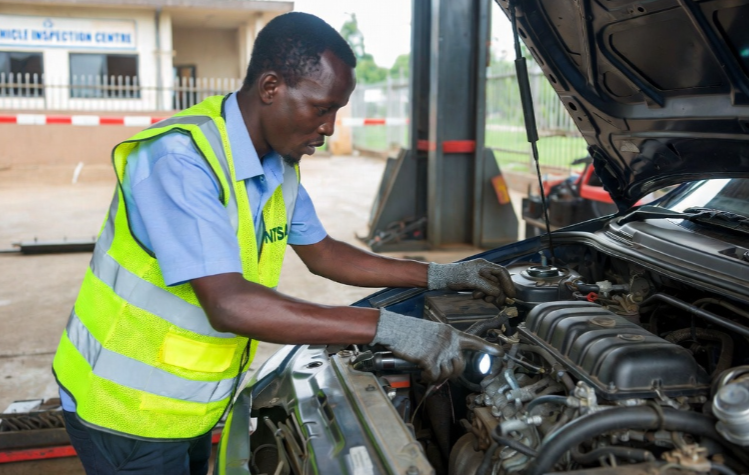
Engine condition is reviewed alongside oil, coolant, belts, hoses and fuel system integrity. Exhaust emissions are tested for excessive smoke, leaks and noise levels to ensure compliance with environmental standards.
Safety equipment and outcome
Additional checks cover horns, fire extinguishers and emergency exits for commercial vehicles. Any vehicles involved in accidents or modified structurally undergo deeper mechanical scrutiny.
Vehicles that pass receive an inspection sticker and official report confirming roadworthiness. Those that fail are issued with a defect report outlining repairs required before re-inspection.
Motorists are advised to service their vehicles in advance, ensure all documents are in order and maintain regular maintenance to improve their chances of passing inspection and staying compliant under the new NTSA regime.
Author
William Muthama
William Muthama is a digital journalist with a focus on entertainment, human interest, and current affairs. Share stories: [email protected]/ [email protected]
View all posts by William Muthama