Advertisement
Why car tyres overheat
15th July, 2026 07:48 PM
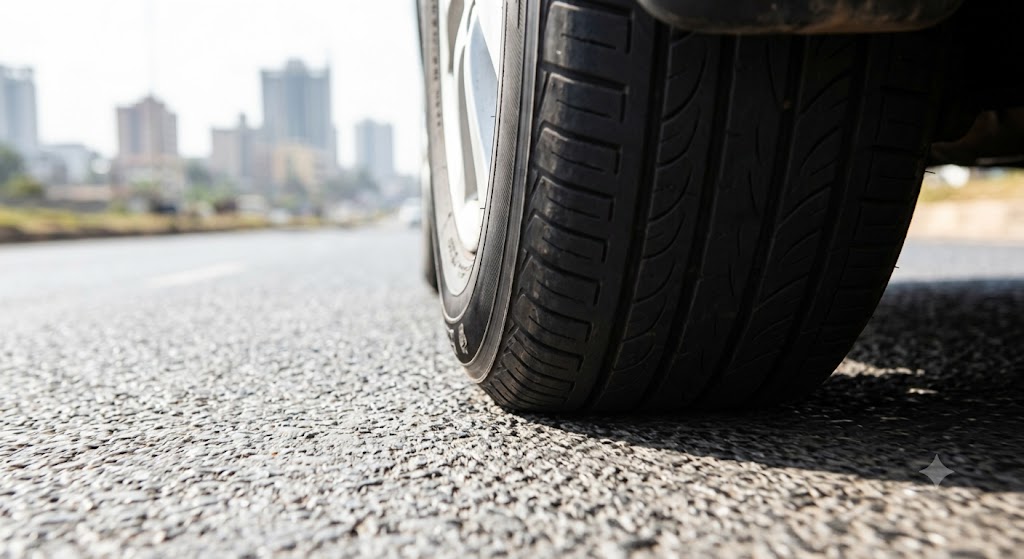
Every day, thousands of motorists navigate Kenyan roads without giving a second thought to the four pieces of rubber keeping them on the tarmac. Yet, beneath the surface of daily commutes, a silent physical process threatens vehicle safety.
Tyre heat generation is a critical but widely ignored factor in local driving conditions. As a vehicle moves, its tyres undergo continuous stress, accumulating heat that can drastically alter performance and structural integrity.
The physics behind the heat
When a tyre rotates under the weight of a car, it does not remain perfectly round. The part touching the road flattens out, and as the wheel turns, that section springs back while the next part flattens.
This continuous flexing is where the trouble begins. Rubber is a viscoelastic material, meaning it possesses both fluid-like and elastic traits. When it deforms and returns to its original shape, it does not return all the mechanical energy it received. Instead, a portion of that energy is lost and converted into heat.
This specific phenomenon is known as hysteresis. Scientific research indicates that this internal “heat accumulation not only greatly weakens the mechanical properties (e.g., stiffness and modulus) of the rubber materials, but also leads to molecular aging.”
Because rubber is a poor conductor of heat, the thermal energy generated within the tyre carcass cannot escape quickly into the surrounding air. This results in a rapid temperature build-up inside the tyre walls.
The unique toll of Kenyan roads
The risk of overheating intensifies significantly under typical Kenyan driving conditions. Local motorists regularly contend with a challenging combination: rough road surfaces, heavy traffic congestion, and high ambient temperatures.
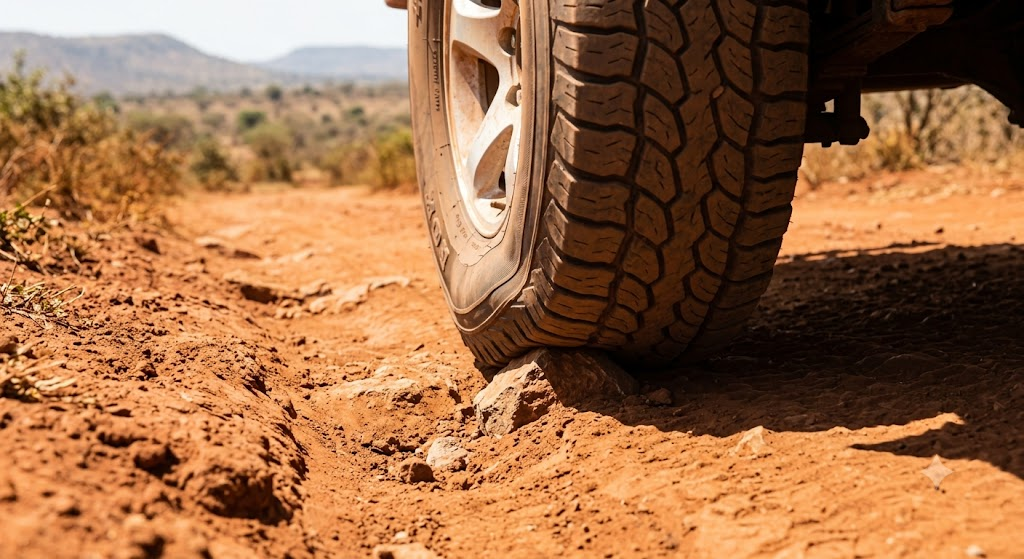
Driving on bumpy or unpaved roads forces tyres to flex far more aggressively than they would on smooth highways, drastically increasing the rate of hysteresis.
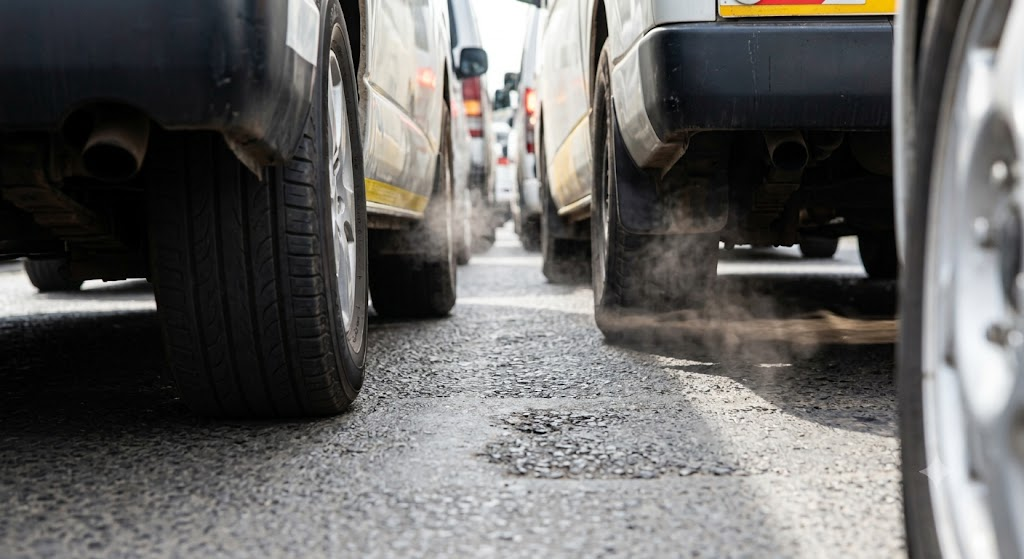
Heavy traffic in urban centres like Nairobi compounds the issue through constant braking and acceleration. Each stop-and-start sequence puts immense friction and strain on the tread, pushing temperatures higher.
Combined with high tropical tarmac temperatures, which frequently soar during afternoon hours, the tyre has no opportunity to cool down. Overheated tyres experience reduced load-bearing capacity and accelerated wear, forcing owners to replace tyres prematurely, an unexpected expense that can easily exceed Sh12,000 per tyre.
In extreme cases, the structural bonds of the rubber break down completely, culminating in sudden sidewall failure or catastrophic blowouts on the highway. Routine pressure checks remain the easiest way to combat this hidden danger.