Advertisement
What to know before buying a car on loan in Kenya
07th May, 2026 01:00 PM

The dealership makes it sound and look easy. A quick income check, a few documents, and you could be driving away in 48 hours.
Car financing in Kenya has grown into a Ksh 250 billion market in outstanding loans, fuelled by rising urban demand and a middle class that is done waiting to own a vehicle.
But the gap between what the monthly installment sounds like and what the loan actually costs is where many buyers run into trouble – and most of that gap is in the small print.
Here is what to understand before signing anything.
Real cost of that monthly payment
Banks in Kenya charge an average of 14 to 15 per cent per annum on vehicle loans, but that figure only tells part of the story.
On top of the interest rate, most lenders add a loan processing fee (typically 1 to 3 per cent of the loan amount), a valuation fee for the car, stamp duty, and insurance requirements, all of which are due before or alongside your first instalment.
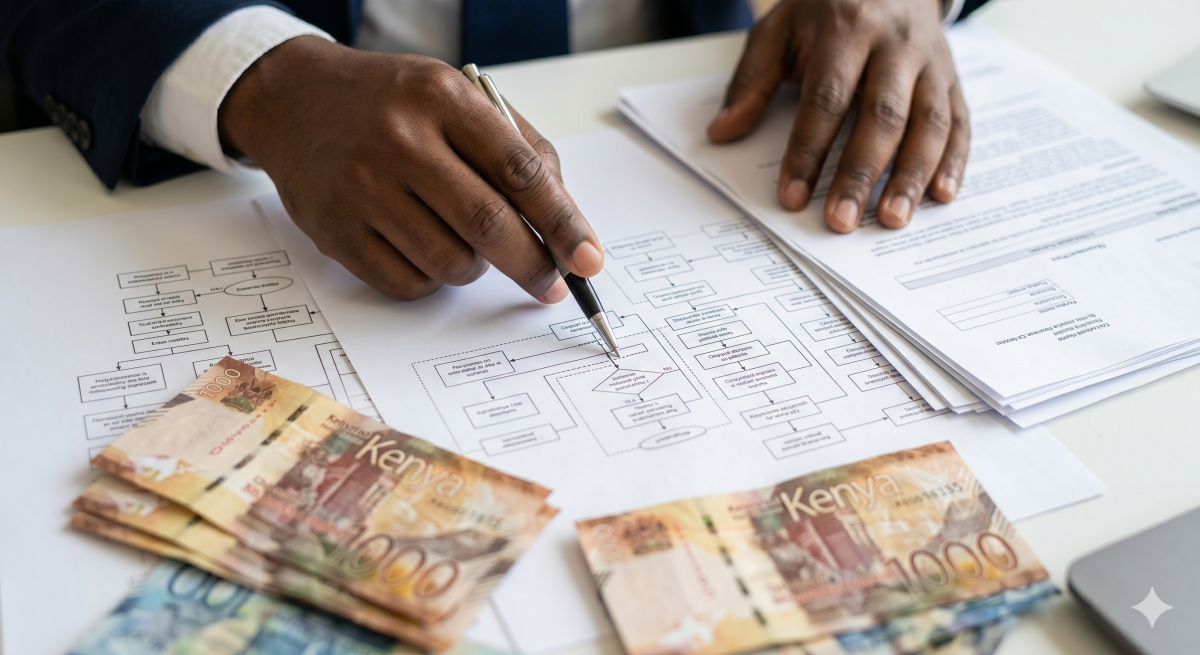
And if you are going through a non-bank lender, the rate climbs sharply.
Non-bank financers can charge around 2.5 per cent per month, which works out to roughly 30 per cent annually.
On a Ksh1 million loan over 36 months with such lenders, that puts your monthly repayment at approximately Ksh51,000 before comprehensive insurance, which most lenders require throughout the loan term and can add between Ksh40,000 and Ksh120,000 to your yearly costs depending on the vehicle.
This is the part where most buyers underestimate what they are committing to.
A study published in the Journal of Pension Economics and Finance by economists Annamaria Lusardi and Peter Tufano found that “only about one-third of the population seems to comprehend interest compounding”, meaning the majority of people taking on debt do not fully grasp how interest accumulates over time, often underestimating the true cost of a loan by a significant margin.
The research also found that less financially literate borrowers are more likely to end up feeling their debt loads are excessive or to be unable to accurately assess their own debt position.
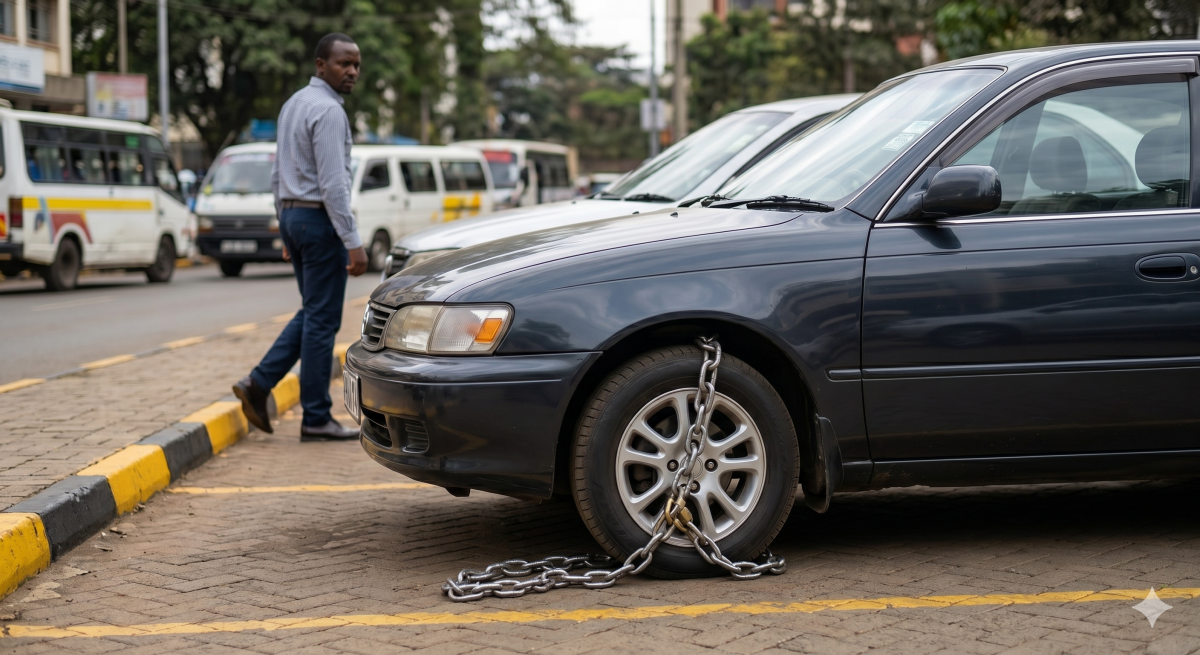
When a car loan runs over four to five years, that compounding effect is real money.
The practical question to ask is not “what is my monthly payment?” Rather, it is “what will I have paid in total by the time I own this car outright?”
Add up every instalment, add the deposit, add the fees, add the insurance premiums, and compare that figure to what the car costs today and what it will be worth in five years.
A Ksh 1.5 million Toyota Fielder loses roughly 15 to 20 per cent of its value in the first two years. If you are financing 80 per cent of the purchase price and the car is repossessed or you need to sell early, you may still owe more than the car fetches on the market.
What dealers and lenders often leave out
The logbook (the vehicle’s registration document) stays with the lender until you have paid the final instalment. This matters more than it sounds. You cannot easily sell the car, use it as collateral elsewhere, or transfer ownership without the lender’s sign-off. If your financial situation changes mid-loan, your options are limited.
Watch for balloon payment structures. Some loan products advertise a lower monthly instalment but include a large lump-sum payment at the end of the term, sometimes 20 to 30 per cent of the loan value. The payment looks affordable right up until the final month.
Early repayment penalties are also common. If you come into money and want to clear the loan ahead of schedule, some lenders charge a fee for the privilege, often equivalent to one to three months’ interest. Confirm this before signing.

The deposit requirement at most Kenyan banks sits at 20 to 30 per cent of the vehicle’s value. For a Ksh 2 million car, that is between Ksh 400,000 and Ksh 600,000 upfront. A useful rule of thumb in personal finance is that total loan repayments across all active loans should not exceed 30 to 35 per cent of your net monthly income.
Run that calculation honestly before you visit a showroom, not after.
It is also worth asking whether the interest rate on offer is a fixed rate or a variable one linked to the Central Bank Rate. Variable rates protect you when rates drop but hurt when they rise.
Before you sign, get clear answers to these questions: What is the total repayable amount over the full term? What fees are charged upfront and over the life of the loan? Is the rate fixed or variable? Are there early repayment penalties? And what happens to the logbook and your obligations if you miss a payment?