Advertisement
5 car ownerships every Kenyans should know
03rd December, 2025 02:50 PM

To many Kenyans, a car has many meanings. To some it means cutting deals in town.
To others it quietly signals a shift in class. And to most people who spend hours waiting for matatus that never fill up, a car simply means convenience.
It is the dream of almost every Kenyan to own a car at some point in life, but as many discover a little too late, buying the car is the easy part. What comes after is the real work.
If no one prepares you for it, you learn through mistakes, and mistakes in motoring tend to be painfully expensive.
So the best place to start is with simple truths that every Kenyan driver should understand, whether the car is brand new or a second hand import from Mombasa.
Understanding the running in phase
Every new car arrives with its own quiet needs, yet most Kenyan buyers treat a new engine like a challenge to test on Thika Road at midnight.
The running in period is not some fancy engineer suggestion. It is the stage where the engine is adjusting to life. Soft metals settle. Moving parts try to find their rhythm.
When you drive gently in those early kilometres, the car rewards you later with smoother drives and fewer surprises.
It is tempting to push it, especially when you want to feel the power you just paid for, but easing in slowly is what keeps repair bills low and reliability strong.
Think of it the way a human would. You do not join a gym today and attempt impossible weights tomorrow.
Keeping up with servicing
If there is one thing Kenyan drivers postpone the most, it is servicing. Many people drive around saying, it still feels fine, I will do it next week, and that next week becomes three months.
What you cannot see inside the engine is where the danger hides. Oil loses quality. Filters clog. Plugs weaken.

A car may behave normally today, but inside, small problems build up quietly. Servicing is how you reset the clock before the issues grow.
It is always cheaper to maintain a car than to repair one. Any mechanic in Industrial Area or Ngara will tell you this without hesitation.
Staying faithful to the service dates is one of the most important habits a car owner can form.
Doing simple, honest checks
Many Kenyans underestimate how simple checks prevent big disasters.
A quick look under the bonnet, a moment to see if the coolant is still visible or even noticing when the car feels heavier on the road can save you from trouble.
Cars rarely collapse without whispering warnings. Sometimes the air conditioner feels weak. Sometimes the engine has a new tone.
Sometimes the steering feels slightly tighter. When you pay attention to these hints, your car becomes easier to live with.

Ignoring them is how you find yourself stranded at a petrol station in Naivasha during a family trip.
Learning to understand warning lights
Every dashboard light has a personality. Some are dramatic. Some are subtle. Some appear simply to scare you.
But none of them are useless. Kenyan drivers often hope the light will disappear on its own. It rarely does.
The check engine light is not decoration. It signals that something inside is struggling. The oil pressure light should make you stop at once, even if you are late for a meeting.
Understanding these lights turns you into a confident driver rather than an anxious one. It also keeps your car healthier in the long run.
Preparing for emergencies
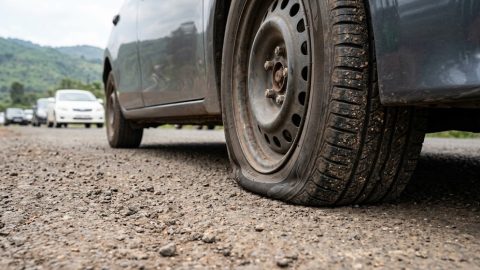
Kenyan roads can surprise you at any moment. A sudden puncture on a lonely road. A battery that refuses to start after heavy rain.
A stalled engine when you need to be somewhere important.
This is why every car owner should keep basic emergency supplies, not because you expect trouble but because trouble avoids appointments.
Even something as small as carrying water in the boot or keeping a torch can turn a stressful moment into something manageable.
Cars behave like humans when pushed to the limit. They respond better when their owners are prepared.
In the end, car ownership in Kenya is not just about movement.
It is about paying attention, showing a little respect to the machine and learning how to read the signs it gives.
When you do that, your journeys become smoother, your costs shrink and the joy of owning a car becomes something real.