Advertisement
The science of why people root for the underdog
15th July, 2026 08:31 PM
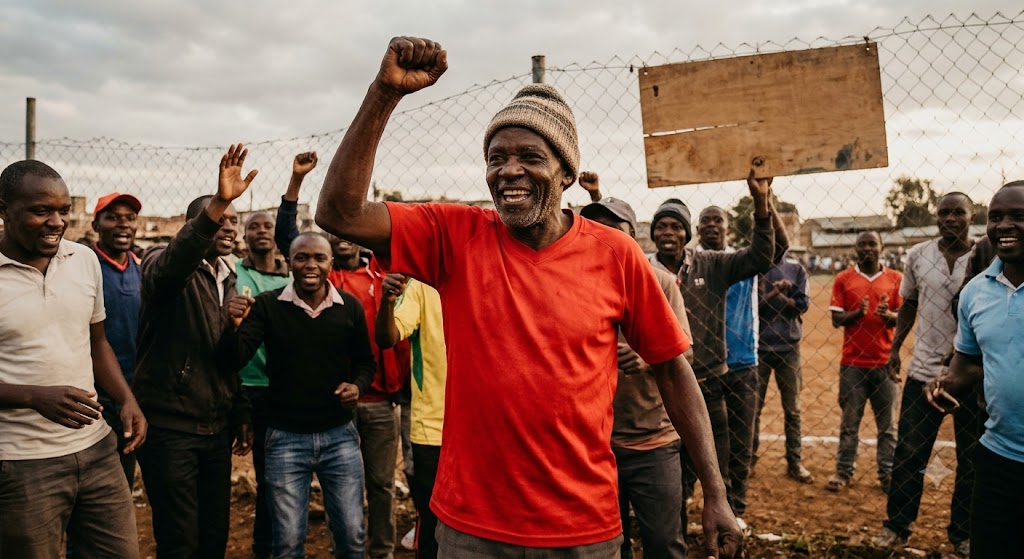
Whether watching a football match between a village team and a wealthy club, or seeing a small estate kiosk compete with a massive supermarket chain, people almost always back the weaker side.
People love the “little guy” and want them to pull off a miracle. This is not just about being kind. It is a deeply hardwired human trait backed by years of psychological research.
The search for basic fairness
At the heart of our love for underdogs is a desire for a level playing field. When we see a contest where one side has all the money and power, it feels unfair. Supporting the weaker side is our way of trying to restore balance.
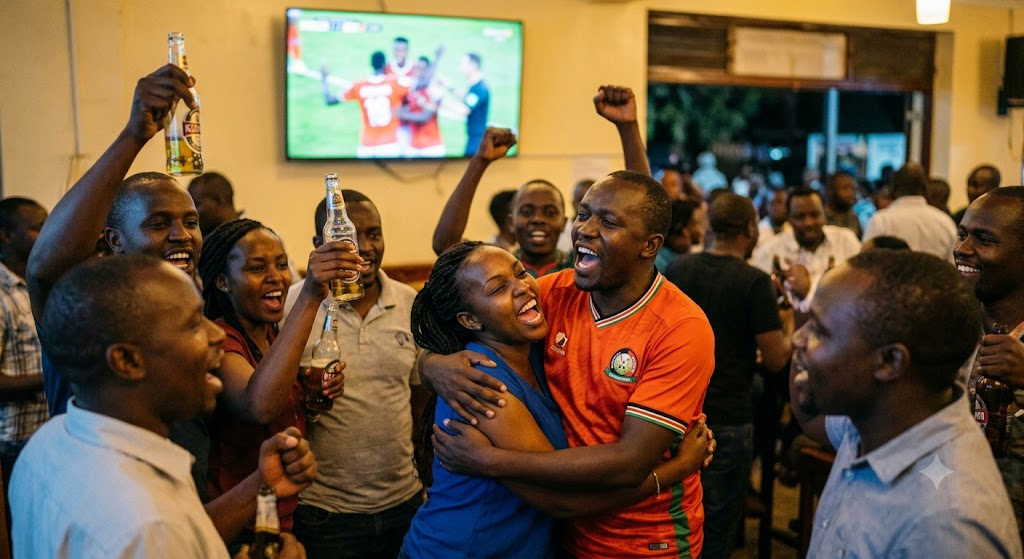
This behaviour is consistent across different cultures. In a study published in December 2007, researchers looked at how people react to unequal contests.
They discovered that “observers’ support for a competitor increased when framing it as an underdog” because we naturally want to see justice served.
When a team with a tiny budget of Ksh50,000 goes up against a corporate giant operating with millions, people instantly side with the budget team, wanting to see effort triumph over pure financial power.
Finding ourselves in the struggle
Support for the weaker side also comes from a personal place. Most people do not feel like “top dogs” in their daily lives. Most, if not all, face daily struggles, whether negotiating rent, looking for jobs, or trying to grow a small business.
Siding with the struggling competitor is a way of protecting identity. If they can beat the odds, maybe anyone else can too.
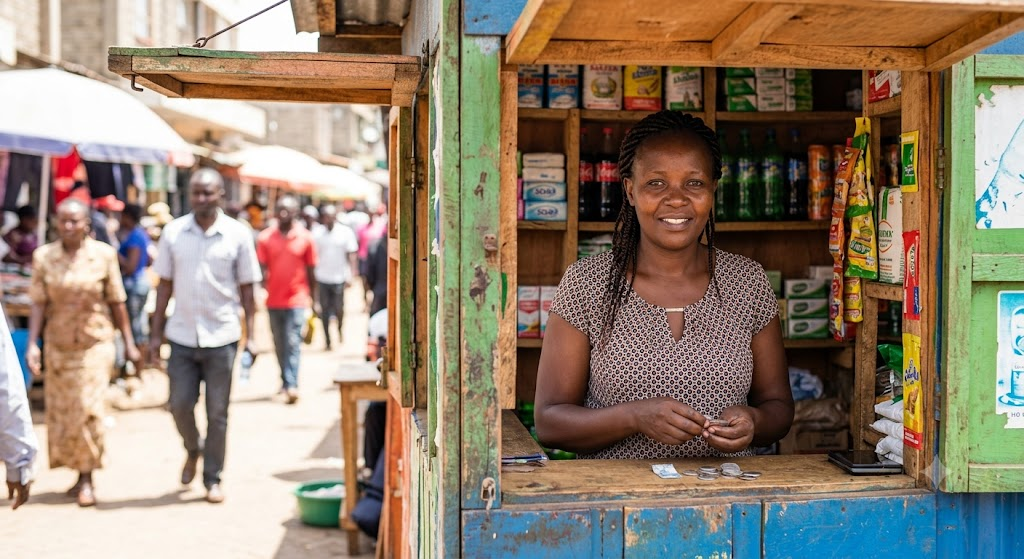
There is also a massive emotional payoff when an underdog wins. Backing a massive favourite offers very little excitement because they are expected to win anyway. However, when the outsider wins, the emotional reward is incredibly intense.
This emotional connection is universal. Research exploring these attitudes in different societies around the world confirms that “support and sympathy for underdogs is indeed a well-documented phenomenon.”
Supporting the weaker side shows that people value hard work, determination, and fairness over sheer power.