Advertisement
School re-opening: How small expenses can quickly drain your salary
25th August, 2026 12:57 PM
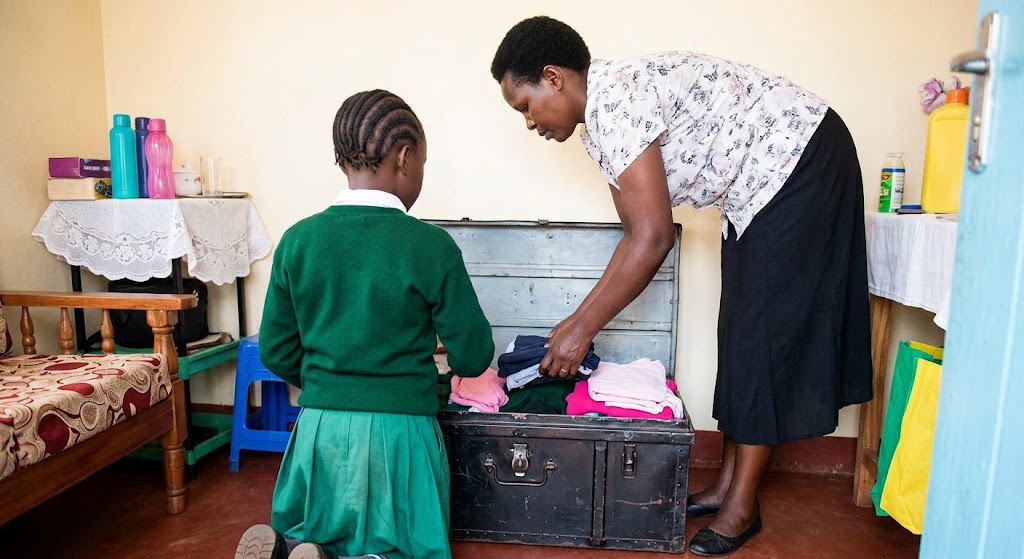
The reopening of schools often brings relief for families after the holiday break, but it can also put unexpected pressure on household finances.
Schools across Kenya reopened for the third term on Monday, August 24, 2026, marking the beginning of a nine-week term. While school fees may be the largest expense, several smaller costs that come with returning to school can quietly take a sizeable share of a family’s income.
A new pair of shoes, transport money, lunch, stationery, printing charges or an unexpected school contribution may not seem significant on its own. The problem starts when several of these expenses arrive within the same few weeks.
The small expenses that add up
Back-to-school spending is not always limited to the main school fees. Families may have to replace worn-out uniforms, buy books, stationery, toiletries and other personal items.
For children travelling to school each day, transport is another regular cost. Even a small increase in daily fare can become a noticeable amount when multiplied across several school days.
There can also be expenses that parents did not include in their original budget, such as money for school activities, projects, examinations, meals or emergency requirements.

Why school costs can affect the rest of the month
The biggest danger is not necessarily one large payment, but several smaller withdrawals from the same salary.
A parent may pay school fees, then purchase a few missing items, send transport money and handle other household needs. By the middle of the month, the amount remaining for rent, food, electricity and other bills may be much lower than expected.
This can encourage people to rely on mobile loans, credit cards, overdrafts or borrowing from friends and relatives to cover ordinary expenses.
The situation can become harder when borrowing is used repeatedly. Money that would have been available for the next month’s needs is then diverted towards repaying previous debts..
Plan for expenses beyond school fees
One way of avoiding this pressure is to look at the entire cost of sending a child to school rather than focusing only on the fee balance.
Before the term begins, parents can estimate the likely cost of transport, stationery, uniforms, meals, school activities and other regular requirements. This gives a more realistic picture of how much the school term will take from the household income.
It also helps to separate school money from money meant for other household needs. When all expenses are paid from the same account or mobile money balance without a plan, it becomes easier to spend more than intended.
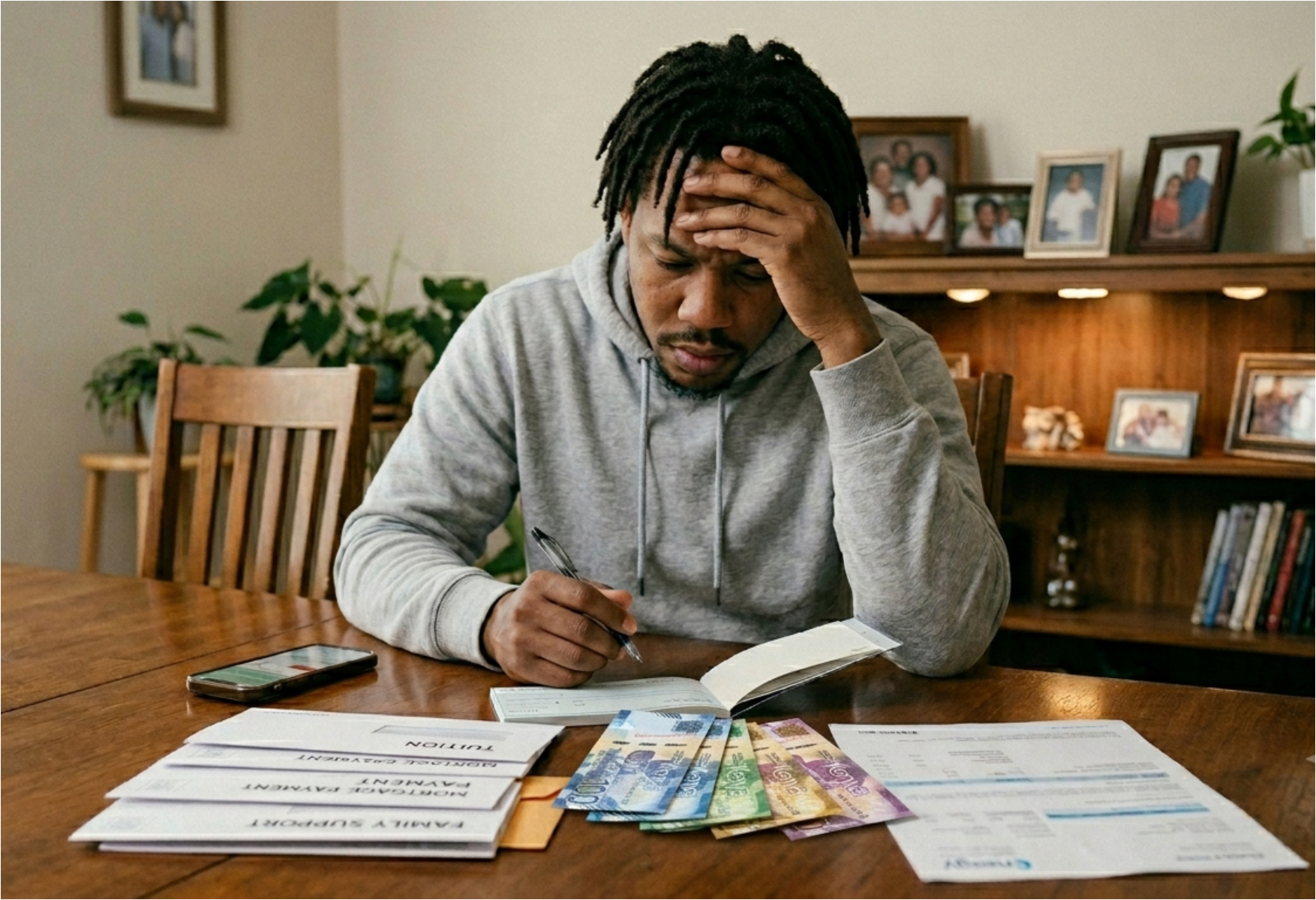
Avoid unnecessary back-to-school spending
The reopening period can also create pressure to buy new items that a child may not necessarily need.
Before purchasing new uniforms, shoes, bags or stationery, parents can check what is still usable from the previous term. Reusing items that are in good condition can free up money for more important expenses.
For items that must be bought, comparing prices between different shops can also help reduce the overall bill.
The Financial Sector Deepening Kenya has previously highlighted how school-related costs can place a significant burden on household finances, particularly for families with limited incomes.
Keep some money aside for surprises
Even after careful planning, school expenses can change during the term.
Keeping a small emergency amount specifically for school-related needs can prevent an unexpected request from disrupting the rest of the household budget.
As schools settle into the new term, parents can therefore look beyond the school fees and consider the smaller costs that follow them. Managing these expenses early can make it easier to protect the salary from disappearing before the month is over.