Advertisement
How to build your child’s university fund from school fees you already pay
16th July, 2026 10:07 AM

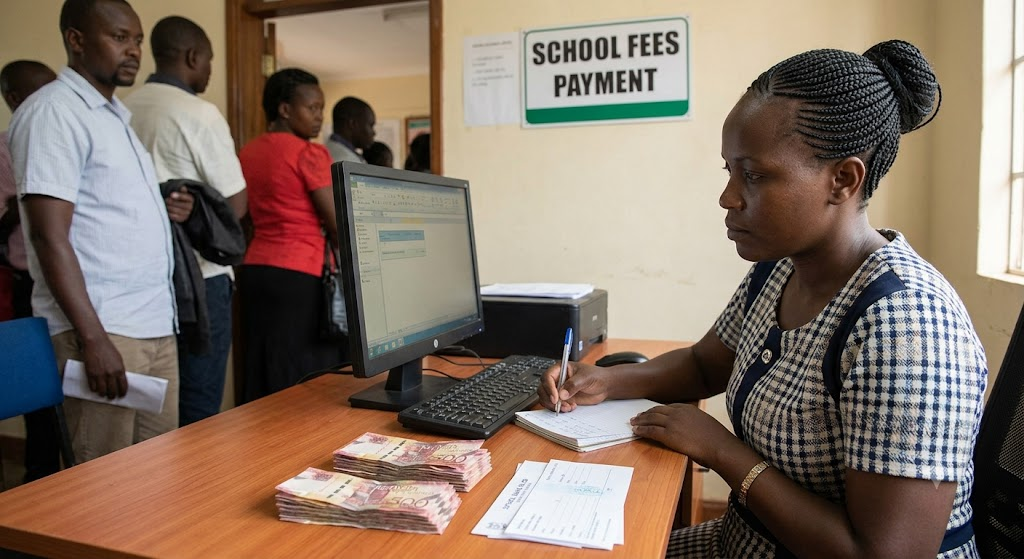
Every term, Kenyan parents write hefty cheques for primary and secondary school fees, often focusing entirely on the immediate deadline. While surviving the current term is always a win, university funding frequently lands as an unplanned crisis down the road.
If you are already handling termly school fees, it is possible to build a parallel, long-term education fund without overstretching your household budget.
Financial planning experts emphasise that the secret lies in starting early with structured tools. In a study published in December 2018, researcher David Ansong noted that “at the household level, one of the most important benefits of savings is the ability to invest in the education and skills development of young members of the household.”
Moving from informal savings to formal pathways makes this growth realistic.
Smart investment options for Kenyan parents
You can use several local financial instruments to secure this future. A popular option is targeted education policies, such as the CIC Education Plan or ICEA Lion’s education insurance products.
These plans guarantee payouts at major milestones like university entry and usually include insurance covers that keep your child in school even if the family faces an unexpected tragedy.
Another great path is using simple money market funds or Nairobi Securities Exchange listed investment trusts. Money market funds offer high liquidity, allowing you to top up any amount whenever you have extra cash.
Local economic research by Githinji Njenga and Susan Onuonga shows that “institutional factors including… trust in a saving option, information and saving expectations influence the saving levels in Kenya.”
Using structured, regulated institutions removes the temptation to dip into the funds.
The basic math of Ksh2,000 monthly
If you invest Ksh2,000 every month from the time your child is born, at an average annual return rate of 10 per cent, the total amount grows to over Ksh1.2 million by their 18th birthday.

Out of this entire amount, your total contribution over the 18 years is only Ksh432,000. The remaining balance of over Ksh768,000 comes purely from compounded interest.
By redirecting a small, consistent fraction of money alongside your current termly school fees, you can easily turn future university fee panic into a calm, well-managed transition.