Advertisement
Money habits students need to know as schools reopen in Kenya
26th April, 2026 10:42 PM
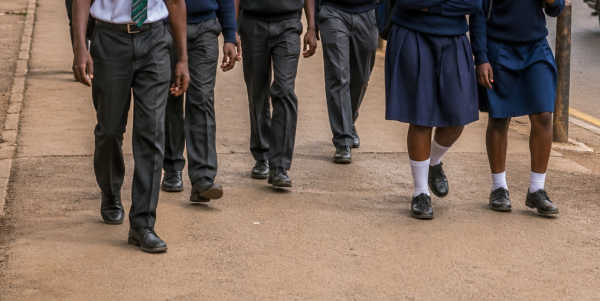
Every time schools reopen in Kenya, students step into a new term with fresh expectations.
New books, new classmates, new routines and new goals often come with one more thing many learners overlook: how to manage money wisely.
Even when students are not paying school fees themselves, they still handle money in many ways.
It may be pocket money, bus fare, lunch money or cash for small school needs. How that money is used can shape the whole term.
Many students struggle during the first weeks because money is spent too quickly on excitement, pressure or poor planning.
That is why reopening season is the perfect time to build better habits.

Proper budgeting
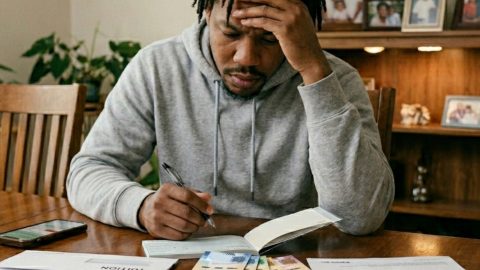
A smart student plans before spending.
When term begins, there are always needs such as pens, exercise books, geometry sets, lunch, transport or toiletries for boarders.
Without planning, money can disappear on less important things first.
Budgeting simply means knowing what matters most and using money in that order.
Buy necessities before wants. Replace what is needed before chasing what looks exciting.
Students who budget well usually avoid stress later in the term.
Pocket money discipline
Pocket money can finish faster than expected when there is no discipline.
In many schools, canteens, snacks, sweets, school events and random treats attract students daily. Spending a little every day may feel harmless, but after one week the amount lost can be surprising.
Good discipline means setting limits. It can mean deciding how much to spend in a day or choosing not to buy something every break time.
Students who control pocket money often stay comfortable longer than those who spend freely in the first week.
Resist peer pressure
School life can create pressure to copy others.
A friend buys chips every day. Another has expensive stationery. Someone spends money easily during games or events. It can make students feel left behind.
But smart money habits require confidence. Not every trend needs to be followed. Not every purchase needs to be copied.
Students who focus on their own needs instead of competition often make better decisions.
Save something small
Saving is not only for adults.
Even a small amount kept aside can help when unexpected needs arise. A forgotten item, emergency fare, replacement pen or sudden school requirement can become easier to handle.
The amount may be small, but the habit is powerful.
Build habits early
Money habits learned in school do not stay in school.
A student who learns budgeting, discipline, saving and wise choices gains skills that remain useful for many years.
As schools reopen in Kenya, success should not only be about passing exams, but also learning how to handle money well.