Advertisement
Why convenience spending is becoming one of the biggest expenses
02nd September, 2026 01:41 PM

Convenience has quietly become one of the easiest ways to spend money. From ordering food instead of cooking to taking a cab when public transport is available, paying for convenience can save time and effort but also put pressure on personal finances.
For many Kenyans, the decision is rarely about being extravagant. Sometimes, a busy workday, traffic, fatigue or simply the desire to avoid a task makes paying a little extra feel worthwhile. The problem comes when these small decisions become part of an everyday routine.
Paying to save time
Time has become a valuable commodity, particularly for people balancing work, family responsibilities and social commitments. A person may choose food delivery rather than preparing a meal, use a ride-hailing service instead of taking a matatu or pay someone to handle a household chore.
Each decision may seem reasonable on its own. However, repeated several times a week, convenience fees, delivery charges and higher service costs can add up significantly by the end of the month.
The temptation is stronger when the alternative requires effort. Spending KSh 300 on delivery may seem easier than walking to a nearby shop, just as spending more on a ride may feel preferable after a long day.
When convenience becomes a habit
The bigger issue is not necessarily one expensive purchase but the frequency of small ones. Once a person gets used to having things delivered, transported or done for them, doing them the cheaper way can begin to feel inconvenient.

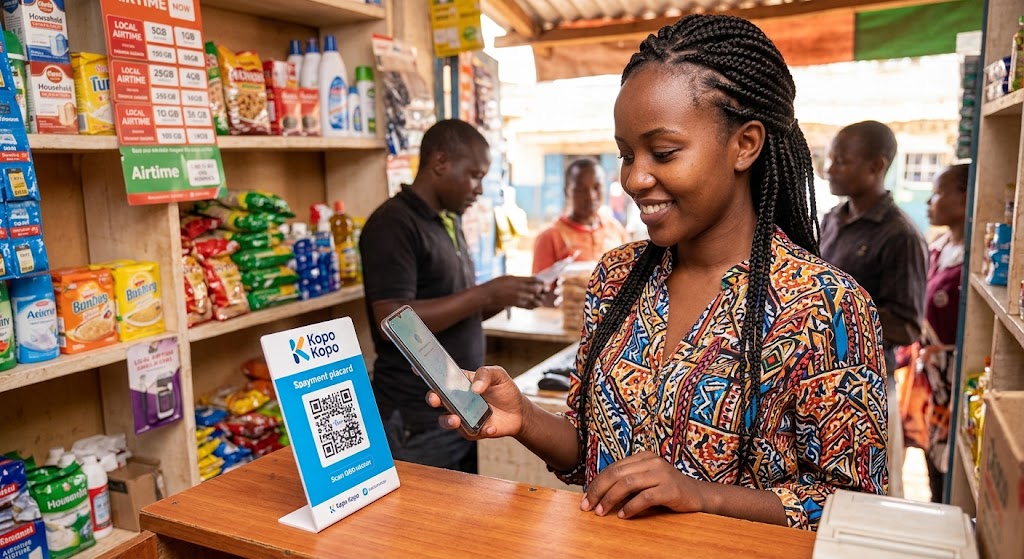
Technology has also made this behaviour easier. With a smartphone, people can order meals, groceries, transport and other services within minutes. The reduced effort can make spending feel almost effortless too.
What begins as an occasional solution can therefore become a default option.
Finding the balance
Paying for convenience is not always a bad financial decision. For someone with limited time, spending more on a service can have genuine value. The important question is whether the expense is solving a real problem or simply avoiding a small inconvenience.

One way to regain control is to identify recurring convenience expenses and calculate their monthly cost. That KSh 200 delivery fee, KSh 150 extra transport charge or frequent takeaway may look insignificant individually, but together they can represent money that could have gone towards savings or other priorities.
Convenience is valuable, but when it becomes automatic, the price of saving time can become surprisingly expensive.