Advertisement
How to protect yourself from airborne diseases in Kenya today
03rd June, 2026 02:10 PM

Airborne and infectious diseases remain a public health concern in Kenya, especially in crowded towns, transport systems, and cross-border areas. Illnesses such as flu, tuberculosis, COVID-19, and other respiratory infections continue to circulate, while outbreaks of diseases like Mpox and Ebola virus disease in parts of Africa have also raised attention to the importance of prevention.
Health authorities, including the World Health Organisation and the Kenya Ministry of Health, emphasise that most of these diseases spread through close contact, respiratory droplets, or contaminated surfaces.
However, simple daily habits can significantly reduce the risk of infection.
Keep the air clean and spaces well-ventilated
One of the most effective ways to reduce airborne infections is by improving ventilation. WHO noted that fresh air helps dilute infectious particles in enclosed spaces.
Opening windows at home, school, or workplaces allows air to circulate freely. In public transport, sitting near open windows or avoiding fully sealed vehicles when possible can lower exposure.
It is also safer to avoid overcrowded indoor places when infection rates are high. Outdoor gatherings are generally less risky because natural airflow reduces the concentration of germs in the air.
![To express their disappointment, the patients, on Thursday, November 5 refused to take their meals. [PHOTO | FILE]](https://k24.digital/wp-content/uploads/2020/04/FACE-MASK.jpg)
Practise clean habits and avoid close contact
Regular handwashing with soap and clean water remains a key defence against infection. The Kenya Ministry of Health continues to encourage people to wash their hands frequently, especially after touching public surfaces.
Avoid touching the face, especially the eyes, nose and mouth, without washing hands first. Carrying hand sanitiser is useful when water is not available.

For diseases like Mpox, health experts advise avoiding close physical contact with people who show symptoms such as skin rashes, fever, and body aches. For Ebola virus disease, transmission occurs through direct contact with bodily fluids, making hygiene and safe caregiving practices very important.
Stay alert to symptoms and follow health guidance
Early detection helps prevent the spread of illness. Persistent cough, fever, difficulty in breathing, or unexplained fatigue should not be ignored. Seeking medical attention early can protect both the patient and the community.
During outbreaks, the Ministry of Health may issue alerts, travel guidance, or vaccination recommendations. Following such advice is important for public safety.
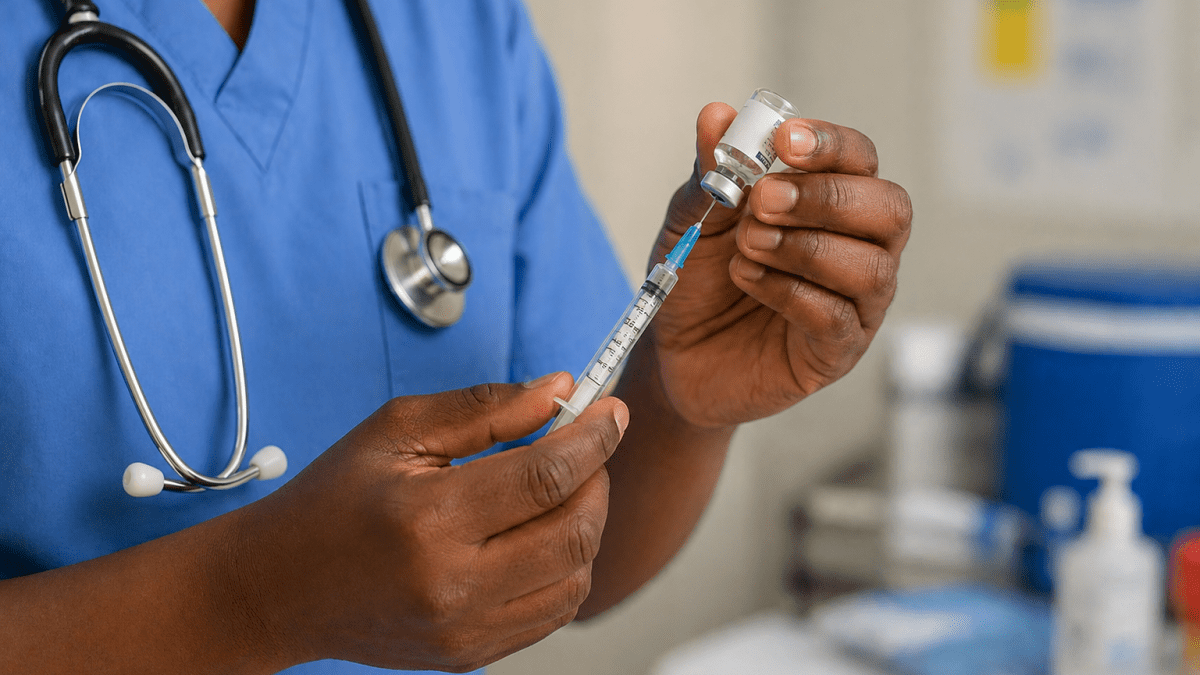
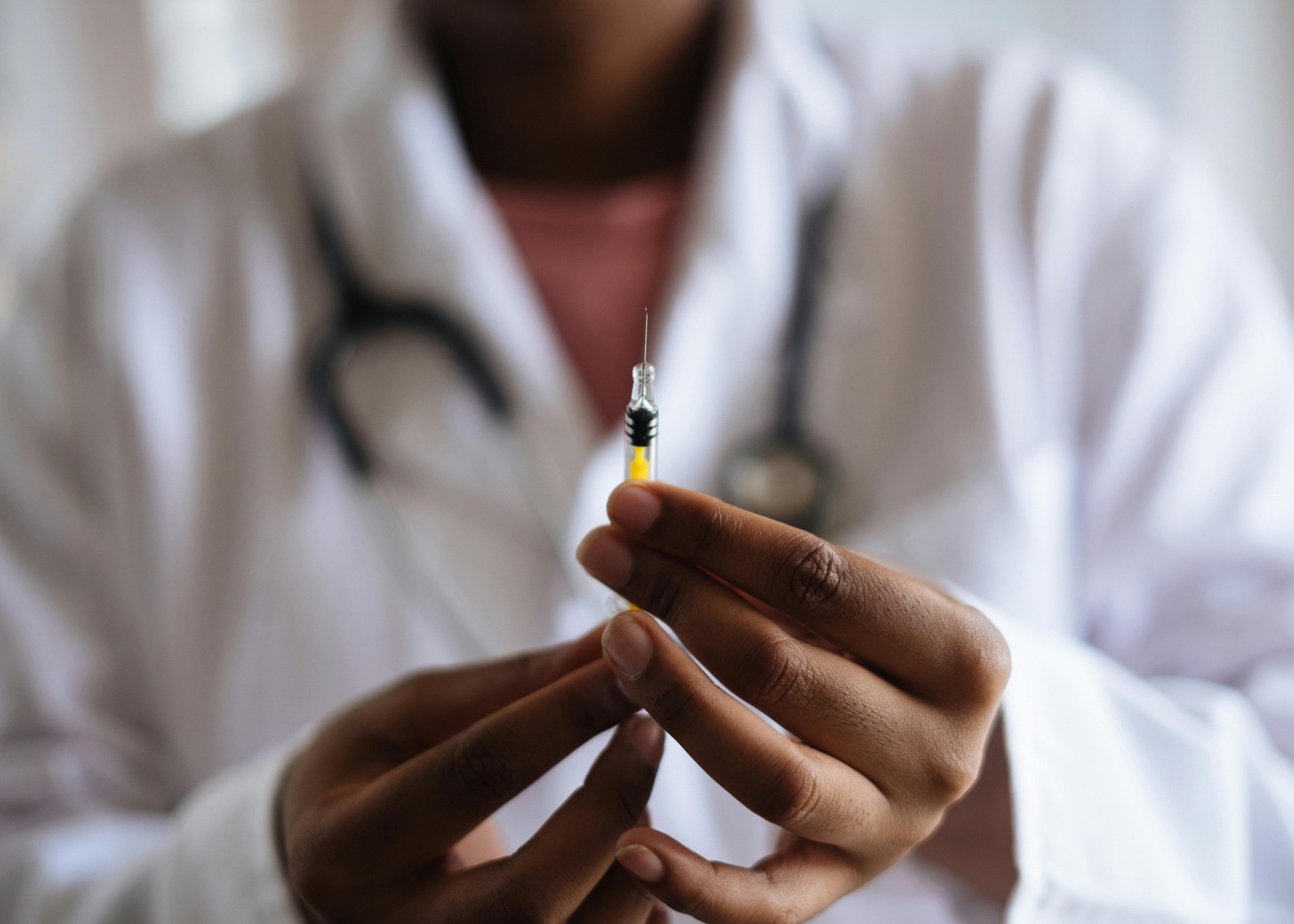
Vaccination, where available, also offers strong protection against certain diseases, including some respiratory infections. Masks may be recommended in crowded or high-risk environments to reduce transmission.
In summary, staying safe from airborne and infectious diseases in Kenya depends on simple but consistent actions. Good ventilation, hygiene, avoiding risky contact, and listening to health authorities can go a long way in preventing illness and protecting communities.