Advertisement
Signs and symptoms of Ebola
01st June, 2026 11:32 PM
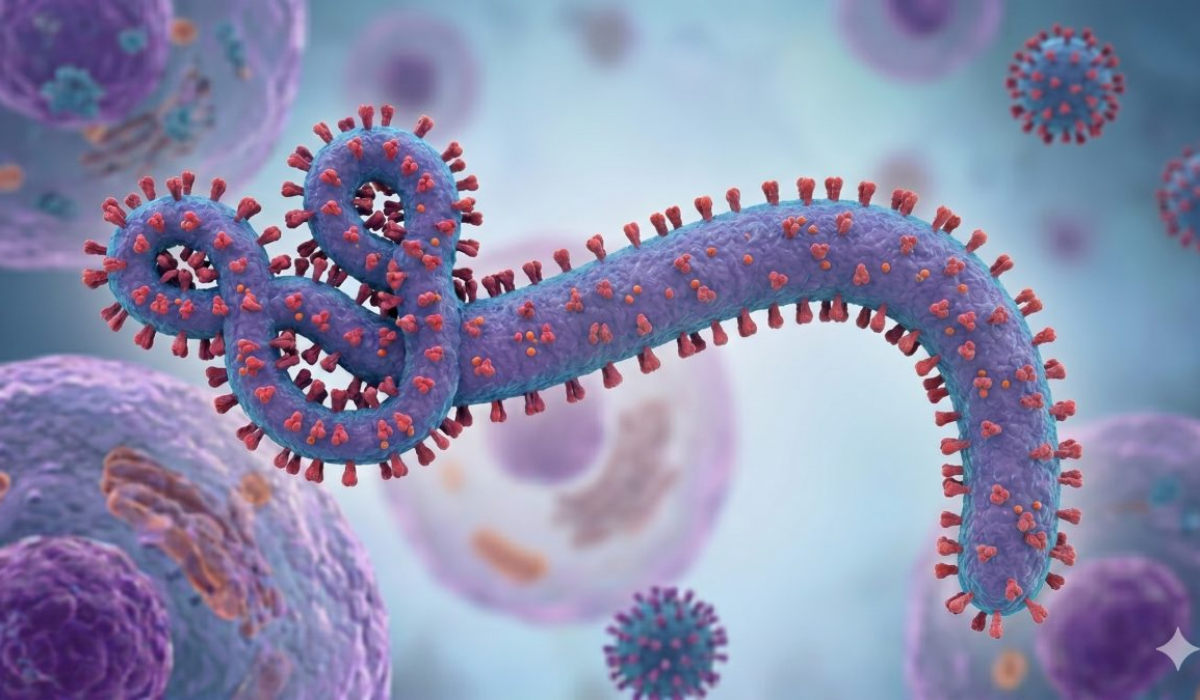
Ebola is a disease caused by one of five different Ebola viruses.
Four of the strains can cause severe illness in humans and animals. The fifth, the Reston virus, has caused illness in some animals but not in humans.
Ebola remains one of the most feared viral haemorrhagic fevers due to its high fatality rate and potential for rapid spread. First identified in 1976, according to the World Health Organisation, outbreaks continue to occur, most recently in regions like the Democratic Republic of Congo (DRC).
Early recognition of symptoms is critical because the disease progresses quickly, and prompt medical intervention can improve survival chances. While initial signs mimic common illnesses like malaria or flu, certain symptoms signal the need for immediate action. Understanding these can save lives and prevent transmission.
Symptoms
According to WHO, the incubation period of Ebola disease, the time from infection to the appearance of symptoms, ranges from 2 to 21 days. Symptoms usually begin suddenly and may include:
- Fever
- Fatigue and malaise
- Muscle pain
- Headache
- Sore throat
These early signs are often followed by more severe symptoms such as vomiting, diarrhoea, abdominal pain, rash, and signs of impaired kidney and liver function. Healthcare workers are advised to remain alert for these indicators, especially in outbreak settings.
Although bleeding is commonly associated with Ebola, it is actually less frequent and tends to appear later in the disease. When it occurs, bleeding may be internal or external, appearing as blood in vomit or faeces, bleeding from the nose, gums, vagina, or at injection sites.
Center for Disease Control and Prevention advises that early recognition of these symptoms is critical for prompt isolation and care.
Diagnosis of Ebola disease
Diagnosing Ebola is difficult in its early stages because symptoms like fever, headache, and fatigue closely mimic common diseases such as malaria, typhoid fever, meningitis, and other viral haemorrhagic fevers.
Confirmation requires laboratory tests, including RT-PCR assay (the most common), antibody-capture ELISA, antigen-capture tests, and virus isolation by cell culture. These are performed in specialised high-containment labs. Early accurate diagnosis is vital for isolation, contact tracing, and improving patient survival.
Prevention
Effective prevention and control of Ebola outbreaks depend heavily on community engagement and a coordinated package of interventions. Raising public awareness about risk factors and protective measures is essential to reducing transmission. Key strategies include:
- Preventing human-to-human spread through avoiding direct contact with infected people or their body fluids, early isolation of patients, and safe caregiving practices.
- Safe and dignified burials of the deceased.
- Contact tracing and monitoring of exposed individuals for 21 days.
- Vaccination (currently available only for the Ebola virus).
- Maintaining strict hygiene, infection prevention in health facilities, surveillance, and active community involvement.
- Reducing wildlife-to-human transmission by avoiding contact with fruit bats, monkeys, apes, and the consumption of their raw meat.