Advertisement
What to do if you think you have been exposed to Ebola
25th May, 2026 11:32 AM
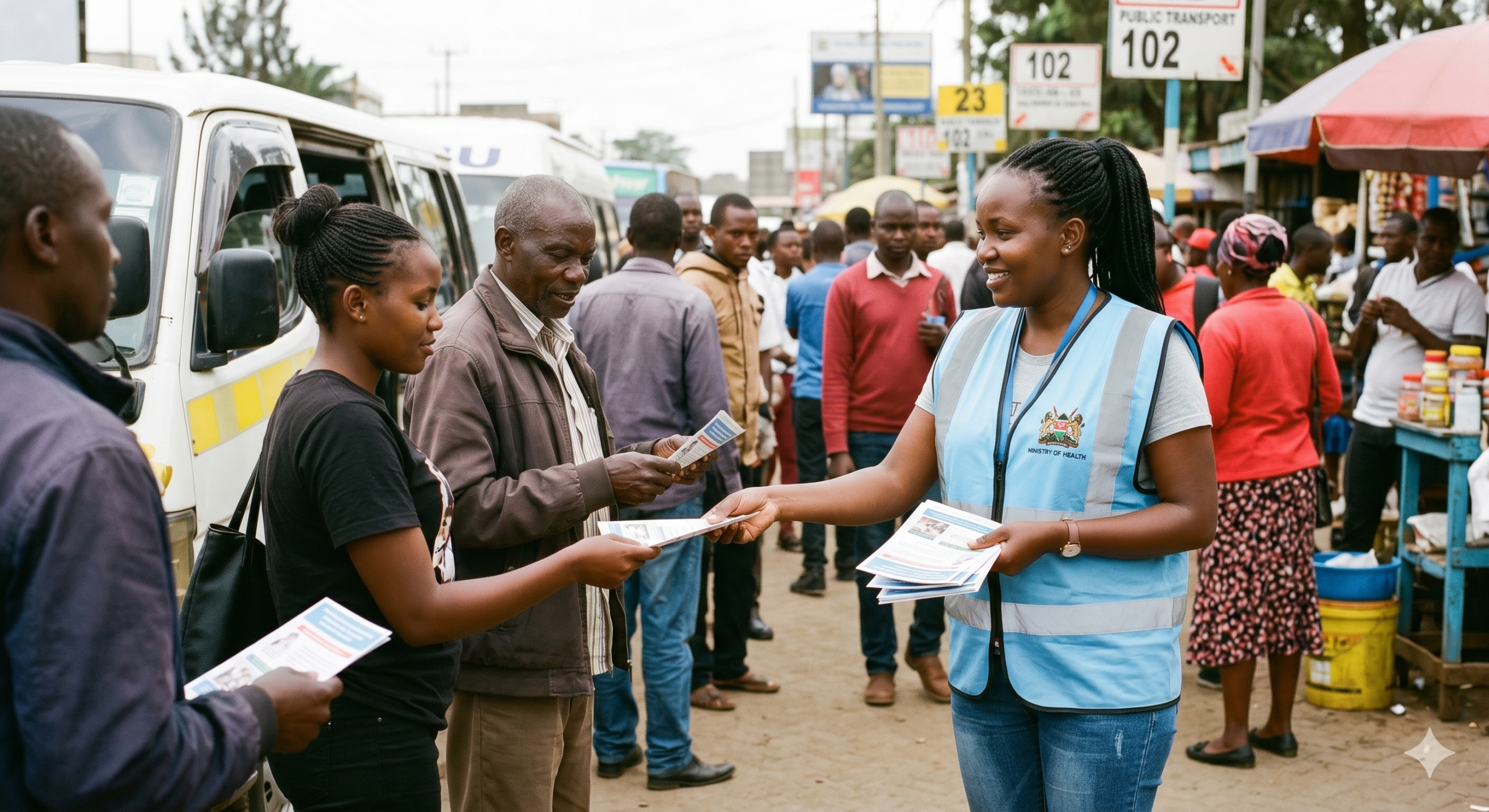
If you have seen the headlines and started to worry, take a breath first.
Health CS Aden Duale confirmed on Friday, May 22, 2026, that Kenya has not recorded a single confirmed Ebola case, and that three travellers who were isolated and tested, along with four contacts, all returned negative results.
That said, knowing the facts is always better than guessing. The Ministry of Health has classified 22 counties into four risk tiers following a surge in infections in neighbouring Uganda and the Democratic Republic of Congo (DRC).
WHO declared the outbreak a Public Health Emergency of International Concern on May 16, 2026. Here is what you should know.
How Ebola actually spreads
The single most important thing to understand is what Ebola actually requires to spread.
A 2025 study published in the Journal of Virology noted that “EBOV is reported to spread primarily through direct contact with infected bodily fluids, with mucosal transmission considered the main route of infection.”
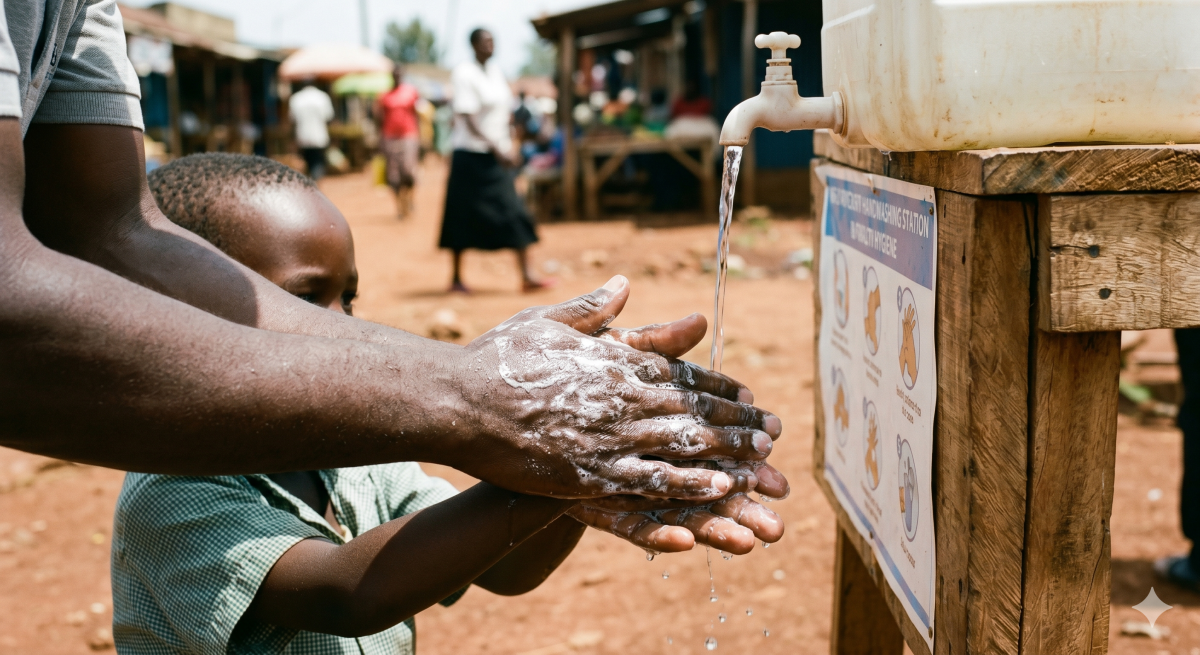
In plain language: you need to come into direct contact (through broken skin or the eyes, nose, or mouth) with the blood, vomit, sweat, or other fluids of someone who is already visibly ill.
A review published in Clinical Infectious Diseases reinforced this point, confirming that “transmission requires close and prolonged contact with an acutely ill patient.”
You cannot get Ebola by sitting next to someone on a matatu, breathing shared air, or shaking hands with a healthy person. It is not airborne.
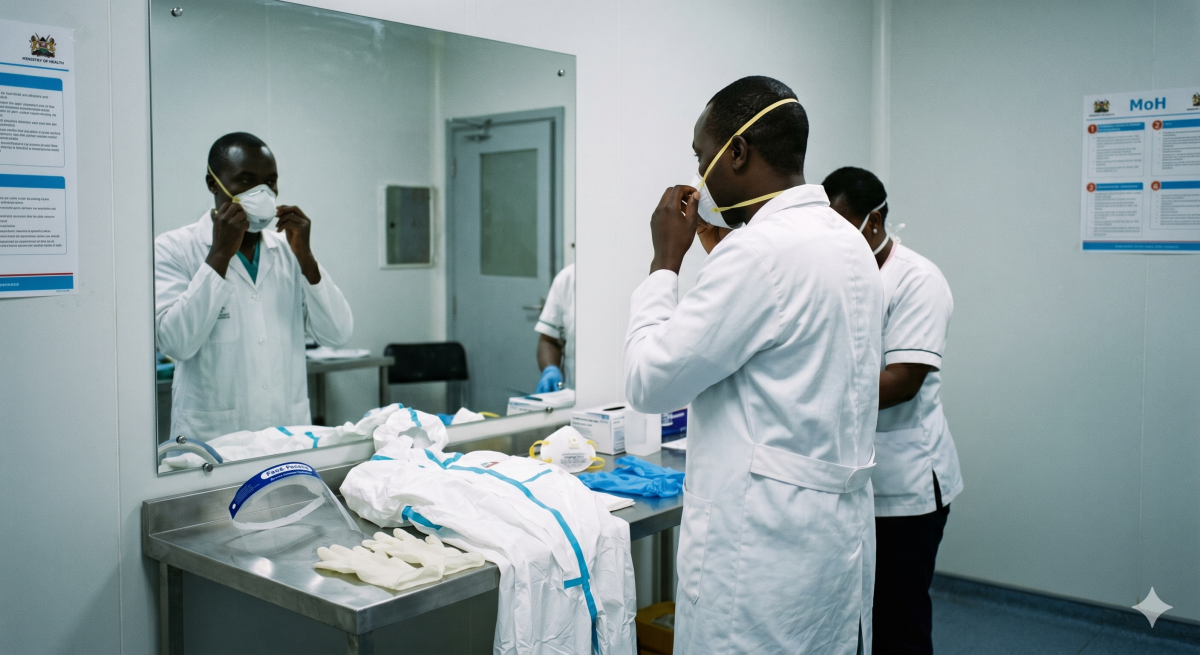
The risk is highest for those caring for a sick person at home or healthcare workers operating without protective equipment.
Symptoms to watch for include sudden fever, severe headache, muscle pain, vomiting, diarrhoea, and (in serious cases) unexplained bleeding. These appear anywhere between two and 21 days after exposure.
Crucially, a person is only contagious once symptoms have already begun.
What to do if you are concerned
If you have recently travelled to the DRC or Uganda and developed any of the symptoms above, do not walk into a pharmacy or general clinic unannounced. Call ahead first.
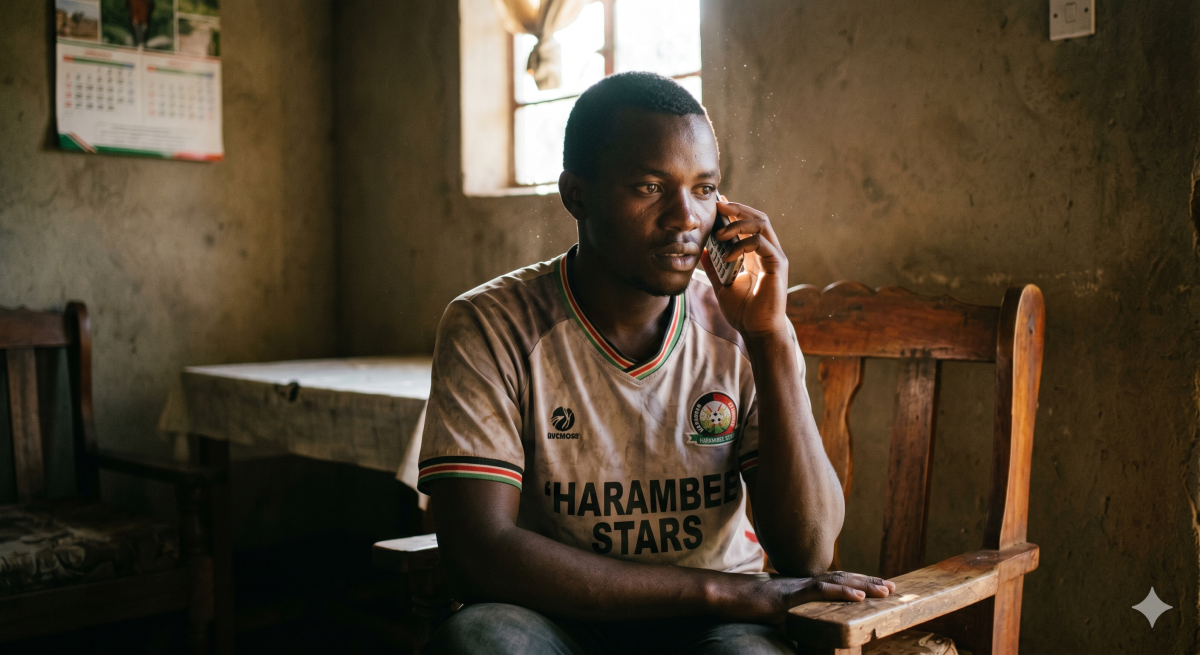
Contact your nearest county public hospital and give them your travel history before you arrive.
This allows health workers to prepare appropriately – for their own protection and yours.
If you are in Nairobi, Kenyatta National Hospital (KNH) houses Kenya’s only designated viral haemorrhagic fever isolation unit, and three of the country’s four certified Ebola testing laboratories are in the city.
Outside the capital, the Kenya Medical Research Institute (KEMRI) in Kisumu is the available testing point.
For everyday protection, wash your hands regularly with soap and running water, avoid contact with the blood or bodily fluids of anyone who is unwell, and follow Ministry of Health advisories on non-essential travel to the DRC and Uganda.
The government has made clear it is not imposing blanket quarantine – instead applying targeted screening and continuous monitoring in line with international health regulations.
Be alert. Do not panic.