Advertisement
What you need to know about Mpox, its symptoms, and prevention
02nd June, 2026 09:49 AM

Mpox is a viral disease that has attracted global attention in recent years following outbreaks reported in several countries. Although the disease is not new, increased international travel and close human contact have contributed to its spread beyond areas where it was previously common.
With the discovery of the first ever case of Mpox in Embu County, it is clear that the issue of monitoring the spread of such infections has become more important than ever before.
According to the World Health Organisation (WHO), mpox is caused by the monkeypox virus, a member of the same family of viruses that causes smallpox, although it is generally less severe.
“Mpox spreads mainly through close contact with an infected person, including skin-to-skin contact,” the WHO stated.
What causes Mpox, and how is it transmitted?
Mpox is caused by infection with the monkeypox virus. The disease can spread from animals to humans and from person to person.
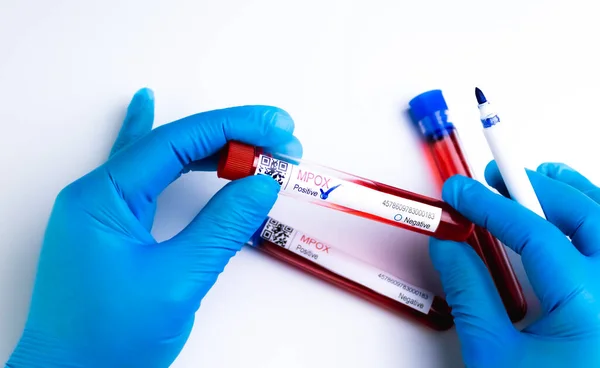
Transmission between people occurs through close physical contact with someone who has mpox. This includes direct contact with skin lesions, rashes, body fluids, respiratory secretions, and contaminated materials such as bedding, towels, or clothing.
The UK Health Security Agency (UKHSA) noted that prolonged face-to-face contact can also increase the risk of exposure to respiratory droplets from an infected person that is through sexual contact. Pregnant women can pass the virus to their unborn babies, while contact with infected animals including rodents may also lead to infection.
Health experts emphasised that anyone can contract mpox if exposed to the virus, regardless of age or gender.
Signs and symptoms to watch out for
Symptoms of mpox often appear within a few days to three weeks after exposure. The disease usually begins with flu-like symptoms before a characteristic rash develops.
According to the Centers for Disease Control and Prevention (CDC), common symptoms include fever, headache, muscle aches, back pain, swollen lymph nodes, chills, fatigue, and general weakness.
A rash then develops and may appear on the face, hands, feet, mouth, chest, or genital area. The rash can be painful or itchy and progresses through several stages before healing.
Most people recover within two to four weeks. However, severe illness can occur in young children, pregnant women, and individuals with weakened immune systems.
Prevention and treatment
Preventing mpox largely depends on avoiding close contact with infected individuals and maintaining good hygiene practices. Health authorities recommended regular handwashing with soap and water or using an alcohol-based hand sanitiser.
People are also advised to avoid sharing personal items such as bedding, towels, and clothing with anyone who may be infected. In areas experiencing outbreaks, following public health guidance and seeking medical advice if symptoms develop is important.

There is currently no specific cure that instantly eliminates the virus. However, most cases improve with supportive care, including rest, adequate fluids, and treatment to relieve symptoms. According to the CDC, antiviral medicines may be used in some severe cases or for individuals at higher risk of complications.
A Mpox vaccine exists, and several countries are using it to protect high-risk groups. The LC16 vaccine has already been deployed in the Democratic Republic of Congo, where thousands of people, including children, have been vaccinated. Africa CDC is working with partners to increase vaccine supply across the continent.
Kenya plans to roll out vaccination in targeted areas, especially where transmission is high. The Ministry of Health says vaccines will complement testing, contact tracing and public awareness efforts.
For residents of Embu, the first confirmed case serves as a reminder that disease outbreaks can emerge unexpectedly and that public health preparedness requires a collective effort from both authorities and communities.
As surveillance teams continue monitoring the situation, Embu’s first Mpox case will likely be remembered not only as a public health alert but also as a test of the county’s readiness to detect and contain emerging diseases in an increasingly mobile society.