Advertisement
World Immunisation Week: Why vaccination is a lifelong shield, not just a childhood ritual
27th April, 2026 07:34 AM
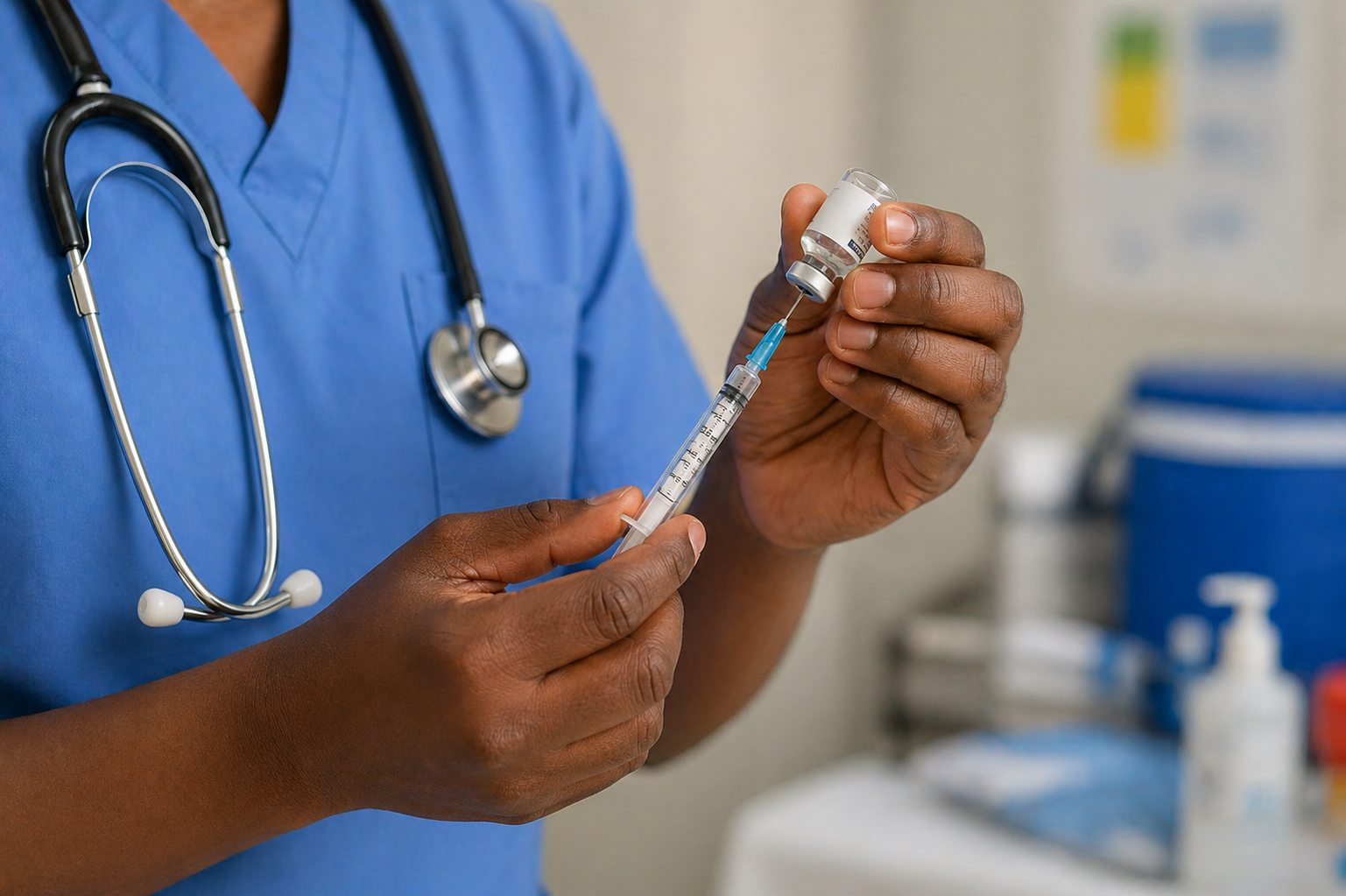
For many people, vaccines are often thought of as something for babies lined up at clinics, wrapped in lesos, crying after a jab on the thigh. But vaccination is much bigger than that. It is not a one-time childhood event. It is protection that follows people through life, from infancy to old age, adjusting as the body changes and as health risks change.
The body’s immune system is clever, but it is also a student. It learns by exposure. Vaccines train the body without forcing it to face the full danger of disease. Think of it as teaching a watchman to recognise a thief before the burglary happens. That preparation can make the difference between a mild illness and a hospital admission.
The World Health Organisation has continued to emphasise what it calls a “life-course approach” to immunisation, meaning vaccines matter at every age, not just in childhood. WHO says immunisation protects against more than 20 serious diseases and remains one of the strongest investments in health.
In childhood, vaccines give the Body its first lessons
Babies enter the world with developing immune systems. They are learning everything, including how to fight infections. This is why early vaccines matter so much. They help protect children when they are most vulnerable to diseases that can cause disability or death, including measles, polio and pneumonia.
This protection has real-life meaning in Kenya, where routine immunisation has helped reduce childhood illness over the years. A vaccinated child is less likely to miss school due to preventable disease, less likely to face complications from infections, and more likely to grow well.
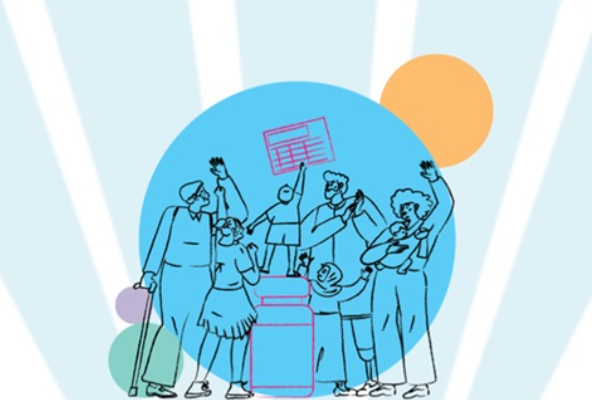
Vaccines do something remarkable: they protect individual children, but they also help shield communities. When many people are protected, outbreaks struggle to spread. It is the health version of neighbours watching out for one another.
The evidence is powerful. WHO says vaccination has helped avert an estimated 154 million deaths globally over the past 50 years.
Teen years are not a free pass
Many people assume that once childhood vaccines are done, the story ends. It does not.
Protection from some vaccines can fade over time, which is why booster doses matter. Adolescence can also bring new health risks, and this is when additional vaccines may be recommended.
Teenagers often feel indestructible. At that age, many believe they can survive on chips, soda and confidence alone. The immune system, however, appreciates backup.
Vaccination during adolescence helps maintain protection and close immunity gaps before adulthood. WHO also links life-course immunisation to fewer missed opportunities, meaning health systems should use every contact, from clinic visits to school health programmes, to keep people protected.
Pregnancy is a protection shared
One of the most remarkable things about vaccination in pregnancy is that protection does not stop with the mother.
Certain recommended vaccines help pass antibodies to the baby before birth. That means a newborn can arrive carrying borrowed protection in those fragile early weeks of life.
It is one of nature’s beautiful partnerships: the mother nourishes the baby, and vaccination can help strengthen that protection.
WHO has long supported maternal vaccination, including tetanus protection, and newer approaches continue expanding protection for mothers and infants.
Adults need vaccines too
Many adults only think about vaccines when travelling or during an outbreak. Yet adulthood brings its own risks.
Work stress, chronic illness, changing environments and ageing all affect immunity. Even healthy adults can benefit from recommended vaccines that lower the risk of severe disease and hospitalisation.
This matters in a country where missing work can mean missing income. Prevention is often cheaper than treatment.
It is the old Kenyan wisdom in medical form: repairing the roof before the rain starts.
WHO has also noted that adult immunisation can reduce pressure on health systems and improve healthy ageing. Some studies cited by WHO suggest adult vaccination programmes can deliver strong economic returns by preventing illness and reducing care costs.
Older age comes with new vulnerabilities
Ageing changes the immune system. It does not retire, but it does slow down.
That is why older adults face a greater risk of severe infections. Vaccines can help reduce complications, hospital stays and deaths.
This is not simply about adding years to life. It is about adding life to years.
A grandparent who stays healthy is not just avoiding illness. They are still walking children to school, telling stories at family gatherings, and arguing about politics over tea.
That matters too.
Vaccination does more than prevent disease
People often speak of vaccines only in terms of what they stop. But they also make many things possible that people value.
They support safer pregnancies. They reduce missed school days. They lower household medical costs. They help prevent outbreaks that can overwhelm hospitals. They can support productivity and long-term well-being.
Vaccination is not just a medical act. It is social protection.
And in Kenya, where many families carry health costs directly, avoiding serious illness can protect both health and livelihoods.
The bigger risk is often missing opportunity
One issue health experts worry about is not always refusal, but delay.
A postponed vaccine can become a forgotten vaccine.
WHO refers to this as “missed opportunities for vaccination,” and reducing those missed chances is a major focus in improving protection.
Sometimes protection is not lost through opposition. It slips away through “nitapeleka next week.”
And as Kenyans know, “next week” has a way of becoming next year.
Vaccines are a quiet success story
Vaccines do not usually make headlines when they work. There is no dramatic news alert that says millions avoided disease today. That is the irony. Their success is often invisible.
You do not see the measles case that never happened. You do not see the hospital bed that stayed empty. You do not see the child who kept growing because illness never interrupted development.
But those outcomes matter.
Vaccination remains one of public health’s most practical ideas: prevent suffering before it starts.
And whether in a rural dispensary in Turkana, a maternity ward in Nairobi, or a county clinic in Kisumu, that principle holds.