Advertisement
How endometriosis can affect daily activities and mobility
29th July, 2026 12:56 AM
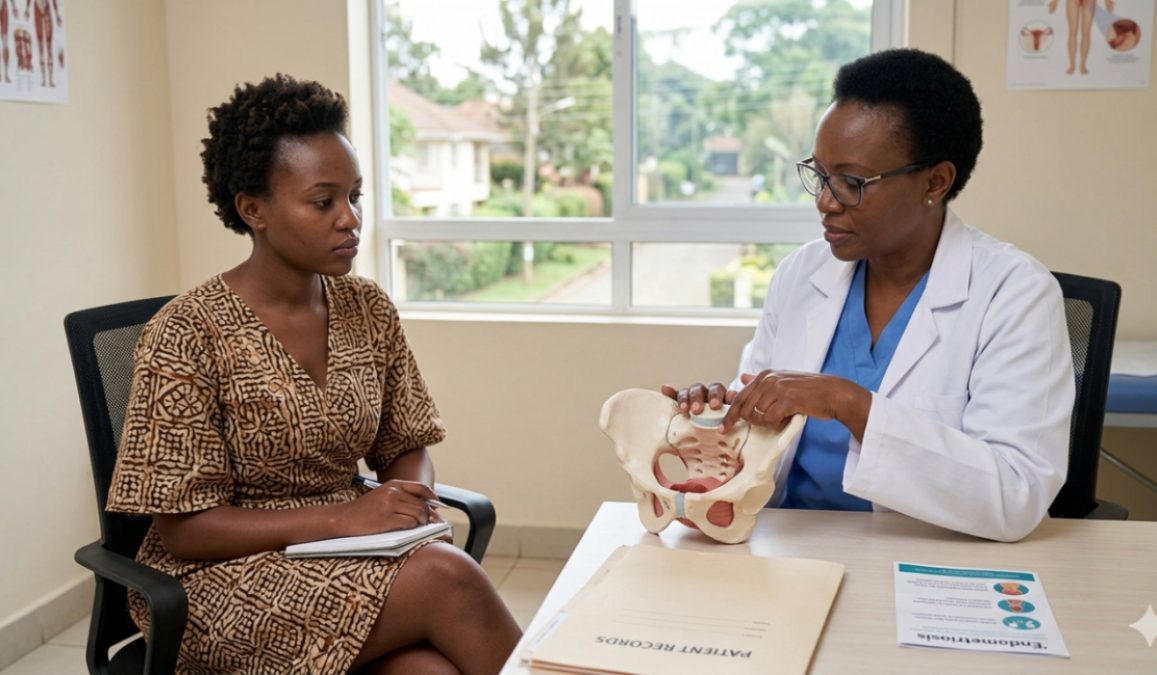
Endometriosis is a complex disease that affects many women, globally from the onset of their first period (menarche) through menopause, regardless of ethnic origin or social status.
Endometriosis can also affect transgender men and non-binary individuals who menstruate. In women with endometriosis, endometrium-like tissue (usually found only in the lining of the uterus) grows outside the uterus, causing inflammation and scar tissue formation.
There is currently no known cure, but endometriosis symptoms can be treated with medicines or, in some women, surgery.
Endometriosis is diagnosed using imaging techniques such as ultrasound. Invasive procedures like surgery may also be necessary to confirm the diagnosis. Long delays in diagnosis are common, and symptoms often persist or recur after treatment is initiated.
Endometriosis has significant health, social and economic implications. Severe pain, heavy menstrual bleeding, fatigue, depression, anxiety, infertility, poor sexual health and social isolation can dramatically reduce quality of life.
Endometriosis statistics
According to the World Health Organisation, amongst women with infertility, as many as 25-50% have endometriosis.
Statistics by WHO further indicate that heavy menstrual bleeding from endometriosis can contribute to iron deficiency and fatigue.
Endometriosis is associated with infertility globally. At the same time, WHO noted that painful sex due to endometriosis can lead to interruption or avoidance of intercourse and impact the sexual health of affected individuals and their partners.
Some individuals with endometriosis experience debilitating pain or other symptoms that prevent them from going to work or school. This can cause lost income for individuals and their families and incur costs to society.
Treatments often require out-of-pocket costs, adding financial strain to individuals affected by endometriosis. These impacts are made worse by stigma and social beliefs that often ignore or downplay period pain.
Impact on work life and personal routines
The unpredictability of pain flare-ups disrupts professional and educational routines. Women navigating endometriosis often struggle to maintain rigid work schedules, particularly in jobs that demand physical exertion, prolonged standing, or long commutes.
On severe days, sitting at a desk for hours worsens pelvic pressure, impacting concentration and overall productivity at the workplace.
Personal and social routines also take a hit. Managing unpredictable pain means missing out on social gatherings, family events, or exercise routines. Many women have to plan their daily activities around proximity to medical supplies, heating pads, or restrooms.
Early diagnosis, specialized medical care, and flexible workplace environments play a vital role in restoring quality of life.
Access to proper treatment allows women managing endometriosis to maintain their independence, stay active, and go about their daily lives with greater ease.