Advertisement
Why your ears pop: Its causes, relief, and when to seek help
03rd August, 2026 12:44 PM

Most people have experienced the strange sensation of their ears popping while travelling on a plane, driving through hilly areas, or even using a lift in a tall building. Although it can feel uncomfortable, ear popping is usually a normal response as the body adjusts to changes in air pressure.
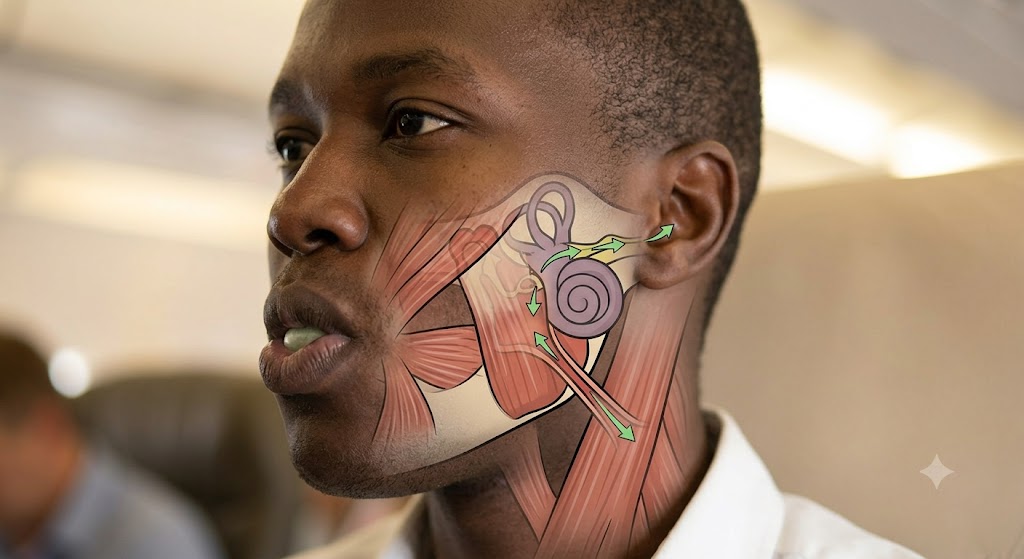
The popping sound happens when the pressure inside the middle ear becomes different from the pressure outside the ear. A narrow passage known as the Eustachian tube helps balance this pressure by opening briefly. When the pressure equalises, the tube opens and closes, creating the familiar popping sensation.
In many cases, this process happens naturally without people even noticing it. However, when the Eustachian tube becomes blocked or fails to open properly, the feeling of blocked ears may last longer and become uncomfortable.
Why your ears pop even when you are not flying
While changes in altitude are among the most common reasons for ear popping, they are not the only cause. Colds, flu, allergies, and sinus infections can cause swelling around the Eustachian tube, making it harder for air to move freely between the middle ear and the back of the throat.
Some people also notice ear popping after swimming when water becomes trapped in the ear, or during periods of frequent yawning or swallowing. These actions naturally encourage the Eustachian tube to open and restore pressure balance.

According to the Cleveland Clinic, ear popping is usually harmless and is often linked to temporary pressure changes or mild congestion that improves on its own. The organisation notes that the sensation is a normal part of how the ears protect hearing and maintain balance.
Simple ways to find relief
For most people, ear popping disappears within a few minutes. Swallowing, chewing gum, sipping water or yawning can encourage the Eustachian tube to open and equalise pressure. During flights, these simple actions are often enough to prevent discomfort during take-off and landing.
When a cold or allergies are responsible, treating the underlying congestion may help restore normal ear function. Rest, staying hydrated, and managing nasal congestion can reduce swelling around the Eustachian tube.
The National Health Service (NHS) advises that forcing the ears to pop too aggressively should be avoided, as excessive pressure may irritate the ear or cause further discomfort. Gentle techniques are usually the safest option.
When ear popping may need medical attention
Although occasional ear popping is considered normal, persistent symptoms should not be ignored. If the popping is accompanied by severe ear pain, hearing loss, dizziness, ringing in the ears, fluid leaking from the ear, or symptoms that last for several days, it may indicate an underlying problem requiring medical assessment.
Recurring ear infections, significant allergies, or long-term blockage of the Eustachian tube can affect hearing if left untreated. In some cases, pressure may build up behind the eardrum, increasing the risk of complications.
The Mayo Clinic explains that while many ear pressure problems improve without treatment, persistent pain, fever, discharge, or sudden hearing changes should be evaluated by a healthcare professional to rule out infection or other ear conditions.
Understanding why ears pop can help ease unnecessary worry. In most situations, it is simply the body’s way of keeping pressure balanced so the ears function properly. Paying attention to accompanying symptoms, however, is important because persistent discomfort or hearing changes may be a sign that medical advice is needed.