Advertisement
6 Kenyan foods rich in omega-3 other than fish
08th June, 2026 08:43 AM
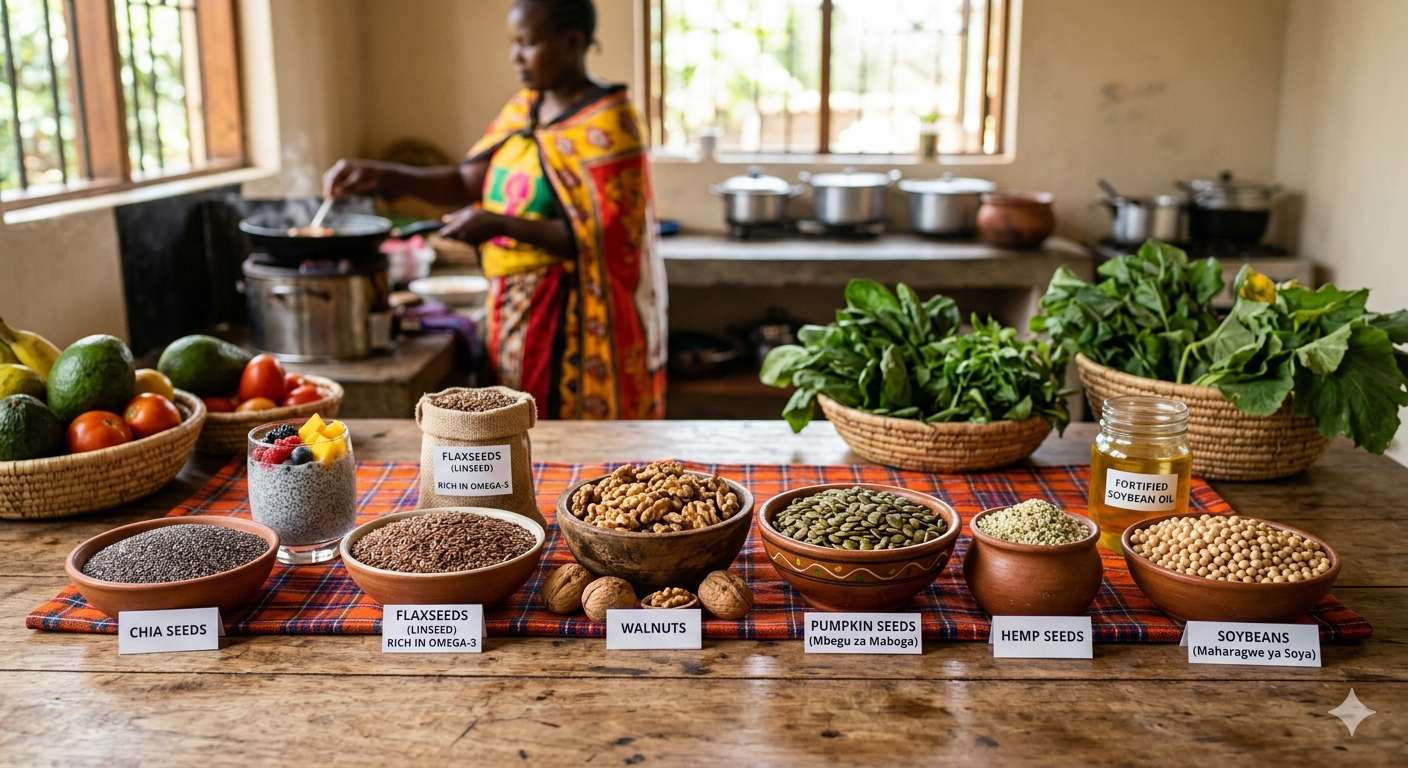
When people hear the term ‘omega-3’, fish is often the first food that comes to mind. For years, oily fish such as salmon, sardines and mackerel have been promoted as some of the best sources of these healthy fats.
However, nutrition experts say there are several other foods, including some that are becoming increasingly common in Kenyan households, that can help boost omega-3 intake.
According to the National Health Service (NHS), omega-3 fatty acids are important for maintaining a healthy heart and supporting normal brain function. They may also help reduce inflammation in the body and contribute to overall well-being.
The good news is that you do not have to rely solely on fish to benefit from omega-3. Some everyday foods can help increase your intake while adding variety to your meals.
Seeds and nuts
One of the richest plant-based sources of omega-3 is flaxseed. Research published by Healthline shows that flaxseeds contain high amounts of alpha-linolenic acid (ALA), a type of omega-3 fatty acid. They can easily be added to porridge, smoothies or baked foods. Besides supporting heart health, flaxseeds are also rich in fibre, which helps promote healthy digestion.

Chia seeds are another increasingly popular option. Chia seeds contain significant amounts of omega-3, fibre, and antioxidants. They can help keep a person feeling full for longer while also supporting digestive health and bone strength.
Walnuts also deserve a place on the list. Unlike most nuts, walnuts contain notable amounts of omega-3. Walnuts may help support heart health and provide antioxidants that protect the body’s cells from damage.
Daily foods you may already eat
Soybeans are another valuable source of omega-3. Whether consumed as boiled soybeans, soy milk or other soy products, they provide healthy fats alongside protein and fibre. Soybeans may help support healthy cholesterol levels while providing nutrients that contribute to overall wellness.
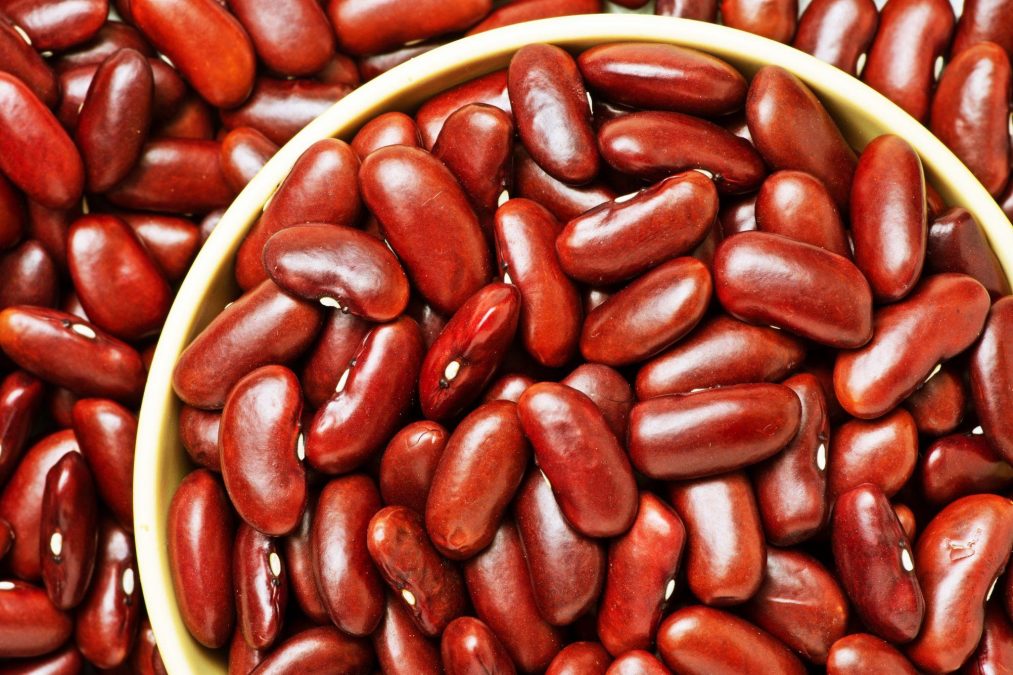
Beans, a staple food in many Kenyan homes, also contain small amounts of omega-3. While they may not match the levels found in seeds, beans contribute to a healthy diet through their high fibre content. Medical experts note that regular consumption of beans may support digestive health and help people feel satisfied for longer after meals.
Leafy green vegetables, such as spinach and Sukuma Wiki also contain modest amounts of omega-3. These vegetables provide a range of vitamins and antioxidants that support immunity, eye health, and overall well-being. Including them regularly in meals can help improve nutritional balance.
More than just healthy fats
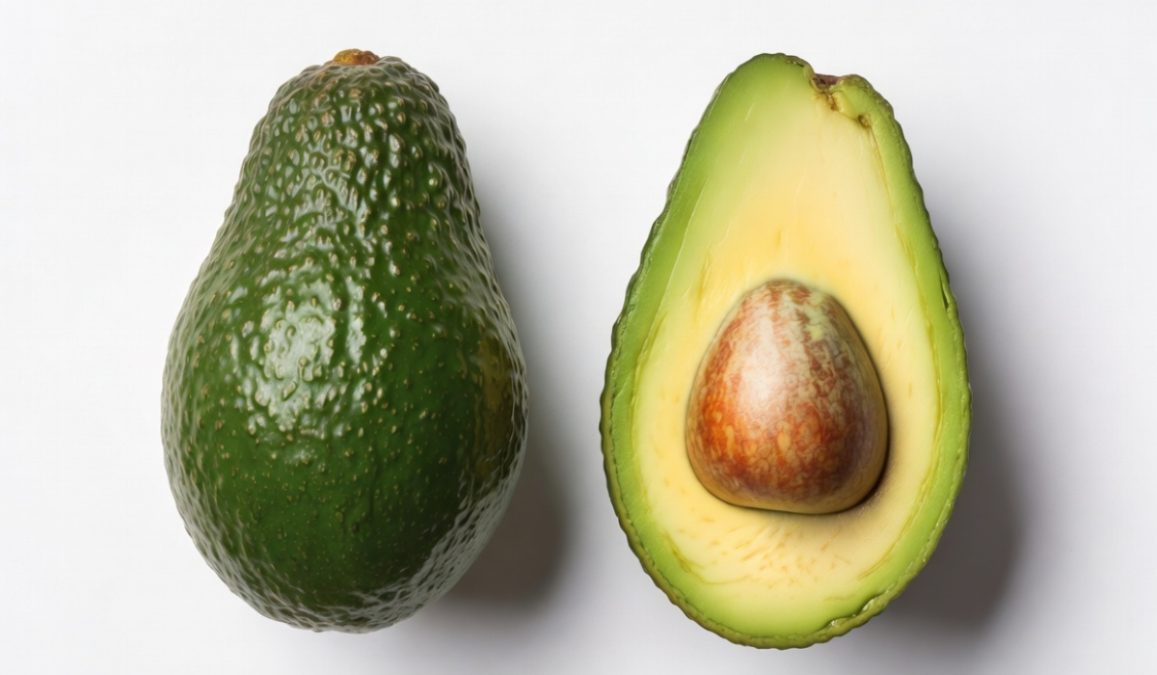
Another familiar food worth mentioning is avocado. Although it is best known for its heart-friendly fats rather than omega-3 specifically, avocados contribute to a healthy diet and contain nutrients that support heart health. Diets rich in healthy fats can help maintain overall cardiovascular wellbeing.
The growing interest in omega-3-rich foods reflects a wider shift towards healthier eating habits. While fish remains an excellent source of these essential fats, foods such as flaxseeds, chia seeds, walnuts, soybeans, beans and leafy greens show that there are many ways to include omega-3 in everyday meals.