Advertisement
Raw vs cooked vegetables: Which actually gives you more nutrients
19th July, 2026 10:36 AM
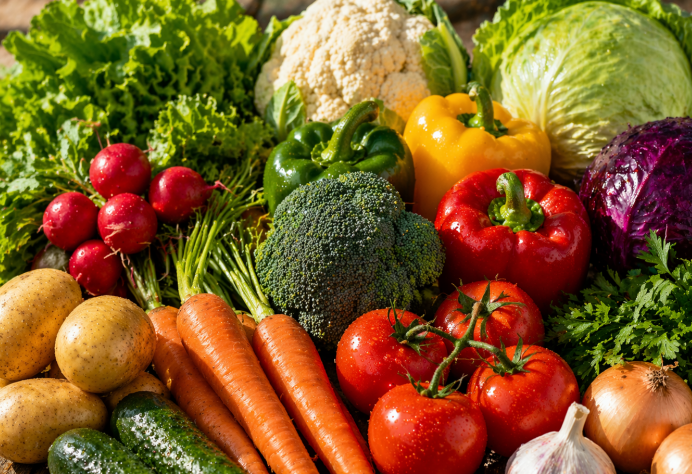
Many people assume that eating vegetables raw is always the healthiest option. While raw vegetables can provide plenty of vitamins and minerals, cooking is not necessarily the enemy of good nutrition. In fact, some vegetables become even more nutritious after they have been heated, while others are best enjoyed fresh.
The truth is that there is no one-size-fits-all answer. Different vegetables respond differently to heat, and understanding which ones are better raw or cooked can help you get the most from your meals. Both raw and cooked vegetables have important nutritional benefits depending on the type of vegetable and how it is prepared.
Carrots: Cooking unlocks more antioxidants
Carrots are widely known for their beta-carotene, an antioxidant that the body converts into vitamin A. This nutrient supports healthy eyesight, strengthens the immune system and helps maintain healthy skin.
Although raw carrots are rich in fibre and vitamin C, light cooking such as steaming or boiling helps break down the vegetable’s tough cell walls. This makes it easier for the body to absorb beta-carotene. Cooking can improve the availability of certain nutrients, including beta-carotene in carrots.
Tomatoes: Better cooked for heart health
Tomatoes are packed with lycopene, a powerful antioxidant linked to heart health and protection against certain diseases.
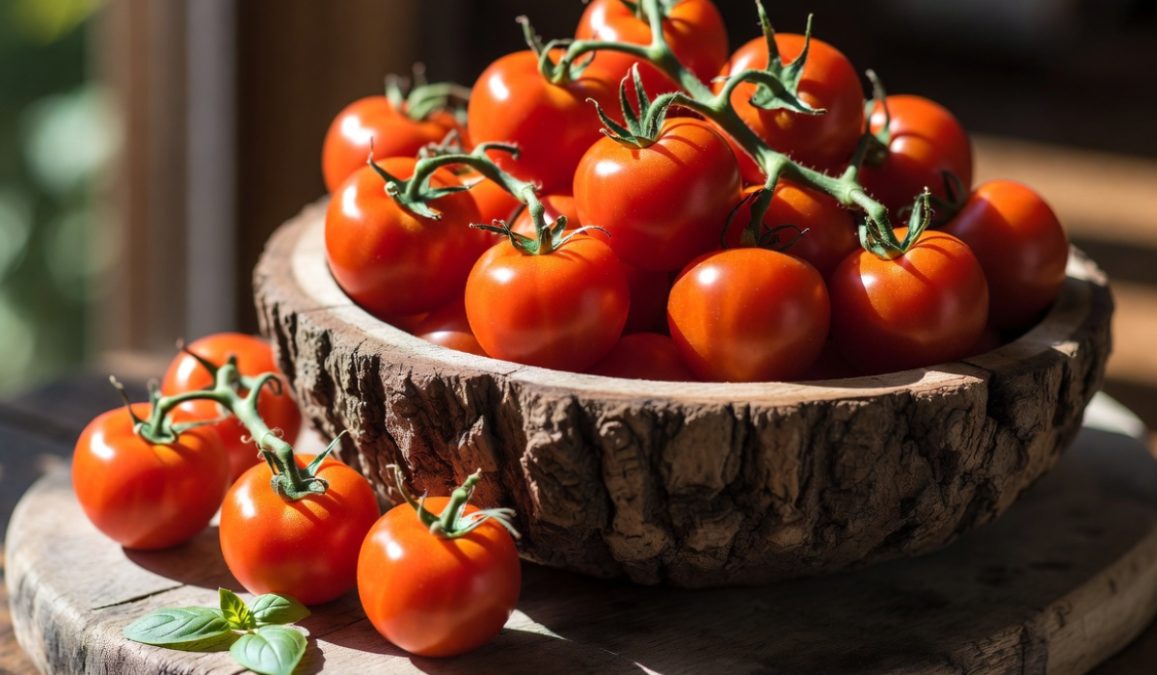
Cooking tomatoes in sauces, soups or stews increases the amount of lycopene the body can absorb. Although some vitamin C is lost during cooking, the increase in lycopene often outweighs this loss. According to Harvard T.H. Chan School of Public Health, heating tomatoes increases the bioavailability of lycopene, making it easier for the body to absorb.
Broccoli: Best lightly cooked
Broccoli contains vitamin C, fibre, folate and sulforaphane, a natural plant compound that supports the body’s defence against cell damage.
Overcooking broccoli can destroy some of these nutrients. However, lightly steaming it helps preserve many vitamins while making it easier to digest. The World Health Organization (WHO) recommends eating plenty of vegetables as part of a healthy diet, while nutrition experts advise using gentle cooking methods such as steaming to help retain nutrients.
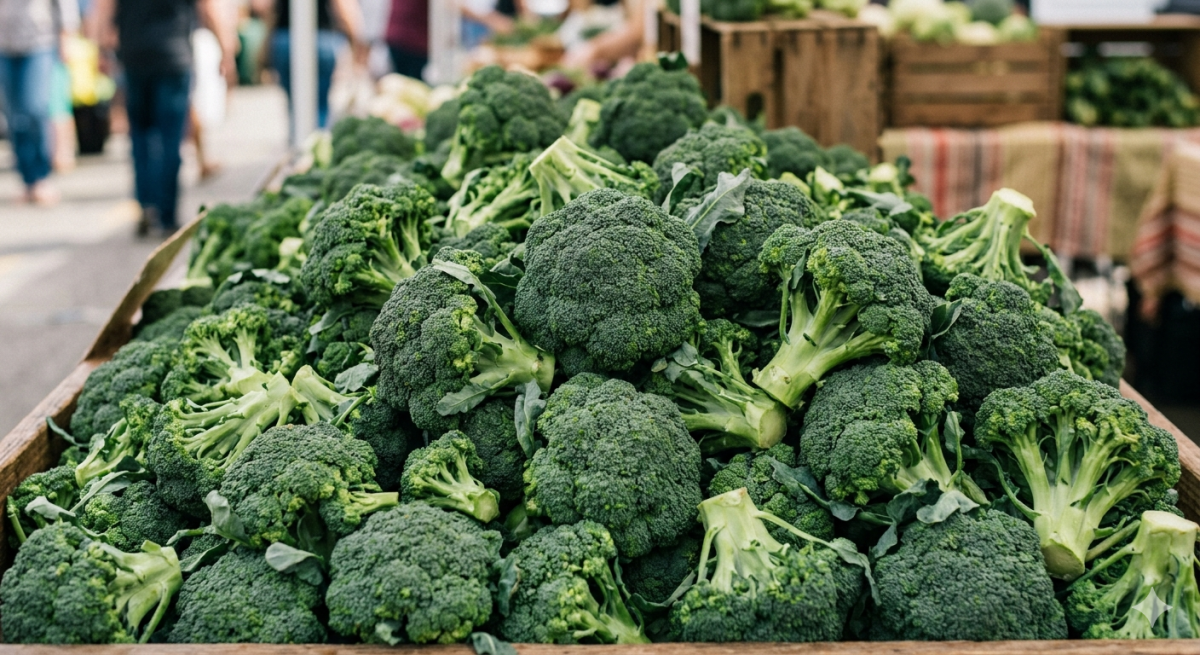
Eating broccoli either raw or lightly steamed allows you to enjoy its nutritional value, but avoiding prolonged boiling helps retain more of its goodness.
Spinach: Cooking improves mineral absorption
Spinach is rich in iron, calcium, vitamin K and folate, nutrients that help support healthy blood, bones and normal body functions.
Raw spinach contains oxalates, natural compounds that can reduce the body’s ability to absorb calcium and iron. Cooking lowers these oxalates, allowing the body to absorb more of these important minerals. Reducing oxalates through cooking can improve the availability of certain minerals.
Fresh spinach still provides vitamin C and works well in salads, while cooked spinach is an excellent addition to stews, omelettes and vegetable dishes.
Mushrooms: Cooking releases more nutrients
Mushrooms provide B vitamins, selenium, potassium and antioxidants that support immunity and overall health.
Cooking helps break down the mushrooms’ cell walls, making antioxidants easier for the body to absorb. Heat also reduces naturally occurring compounds that may interfere with digestion.Cooking mushrooms improves digestibility while preserving many of their beneficial nutrients.

Grilled, roasted or lightly sautéed mushrooms can therefore offer greater nutritional benefits than raw mushrooms.
The bottom line
Rather than choosing between raw or cooked vegetables, nutrition experts recommend eating a combination of both. Raw vegetables often provide more heat-sensitive vitamins, while cooking can improve the absorption of other important nutrients and antioxidants. As recommended by the World Health Organization, eating a diet rich in a variety of vegetables every day is one of the simplest ways to support good health and reduce the risk of non-communicable diseases.